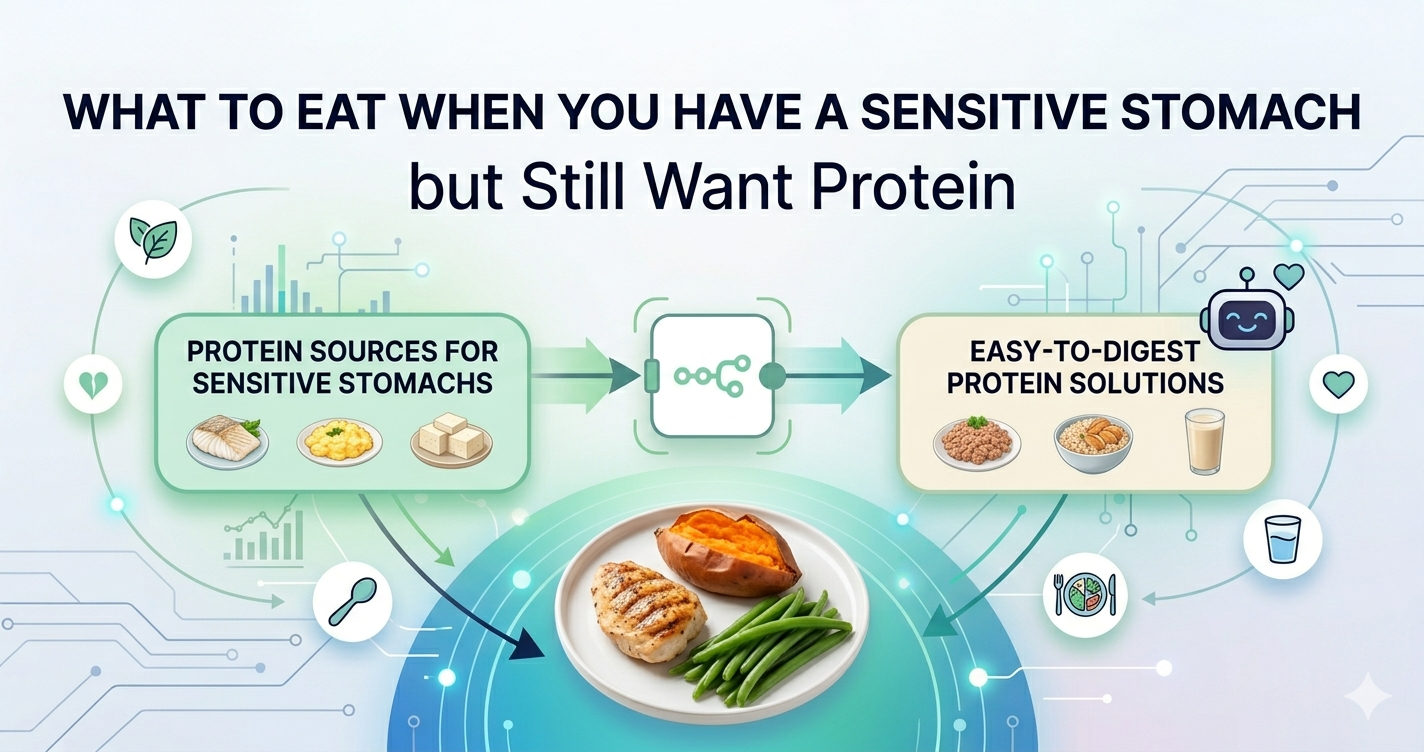
What to Eat When You Have a Sensitive Stomach but Still Want Protein ?
Here is the basic problem with high protein foods easy to digest — many of the best protein sources are also high in things that ferment in your gut.Legumes have oligosaccharides. Dairy has lactose. Eggs, for some people, are fine until they’re not. Your gut bacteria decide what to do with all of it.
When digestion is already sensitive, protein sources that require more work trigger gas, bloating, and cramping. This doesn’t mean you can’t eat protein. It means finding your personal list of high protein foods easy to digest — and rotating those.
Table of Contents
ToggleThe Fermentation Problem Explained Simply
When you eat beans, lentils, or chickpeas, certain carbohydrates in them travel to your large intestine undigested. Gut bacteria ferment them there. Fermentation produces gas. Gas causes bloating.
This is why rajma hits differently than moong dal — both are protein sources but their fermentation load is completely different. Understanding this changes how you look at high protein foods easy to digest. It’s not about avoiding protein. It’s about choosing protein sources with lower fermentation potential.
The Best High Protein Foods Easy to Digest (That I Actually Eat)
1. Moong Dal — The Gentlest High Protein Food
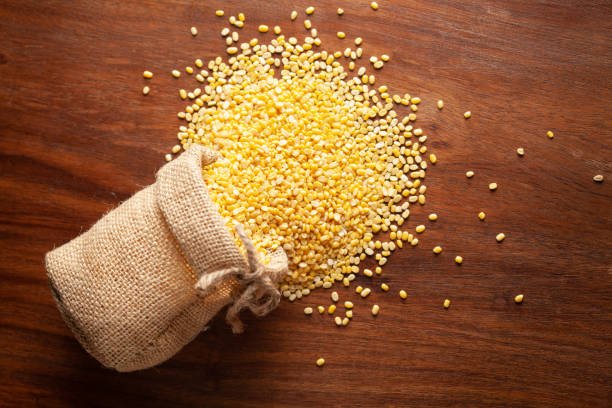
Moong dal is my number one high protein food easy to digest. The split, hulled yellow version is especially gentle because hulling removes most of the fiber that causes gas. Per cooked cup: approximately 14g protein.
I eat this at least four times a week. Simple tadka, some jeera, done. On my worst gut days this is the only dal I trust. Why it’s easy to digest: moong dal is the lowest in fermentable oligosaccharides of all the common Indian dals. Your gut bacteria have less to ferment, which means less gas and less bloating.
2. Eggs — The Most Reliable High Protein Food Easy to Digest
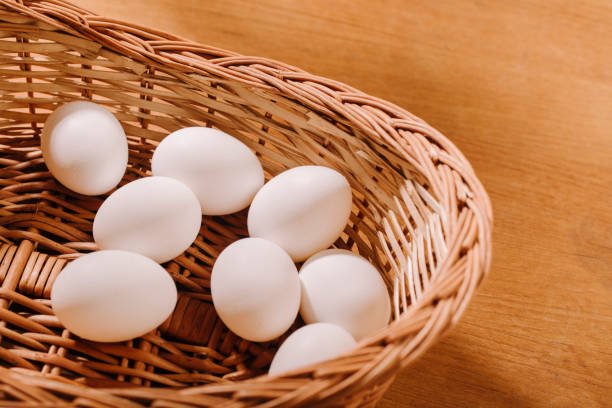
Boiled or scrambled eggs are high protein foods easy to digest for most people with gut sensitivity. Six grams of protein per egg, no fermentable carbohydrates, no lactose, and no fibre load. My stomach handles two eggs well every single day.
Three eggs started pushing it for me — everyone has a threshold. Find yours. The preparation matters. Soft scrambled eggs in a little ghee are much gentler than hard fried eggs in a lot of oil. Oil slows gastric emptying and can make any food feel heavier than it is.
3. Fish — Underrated High Protein Food Easy to Digest
Rohu, katla, pomfret — all are high protein foods easy to digest and all are widely available in Indian markets. Fish is lean, easy for the gut to break down, and has zero fermentable carbohydrates.
Per 100g cooked fish: approximately 22-25g protein. This is one of the most efficient high protein foods easy to digest you can find in Indian cuisine. I make simple fish preparations — jeera, turmeric, ginger, minimal spice. The heavier the curry base, the harder the digestion. Keep it simple on sensitive days.
4. Chicken (Boiled or Grilled)
Chicken breast and chicken leg pieces are high protein foods easy to digest when prepared correctly. Around 25-30g protein per 100g. The issue with chicken is usually not the chicken itself — it’s the preparation. Heavy restaurant-style curries with lots of oil and raw spices are harder to digest.
Pressure-cooked or grilled chicken with light spicing is genuinely gut-friendly.
Urmi Banerjee
🍗 High protein Indian recipes for weight loss
IBS-friendly • Gluten-free • Real meals
📉 Lose weight without starving
day 2 of not so boring diet. and honestly this one is my favourite so far .
high protein. gut friendly. actual full meal.
the protein in this one surprised me — chana + chicken together is a combination i should have been making years ago.follow so you don’t miss it. More recipes like this in the bio
#caloriematterss #highprotein #notsoboringdiet #chickenwithchanadal
Day 1 of Not so boring diet series
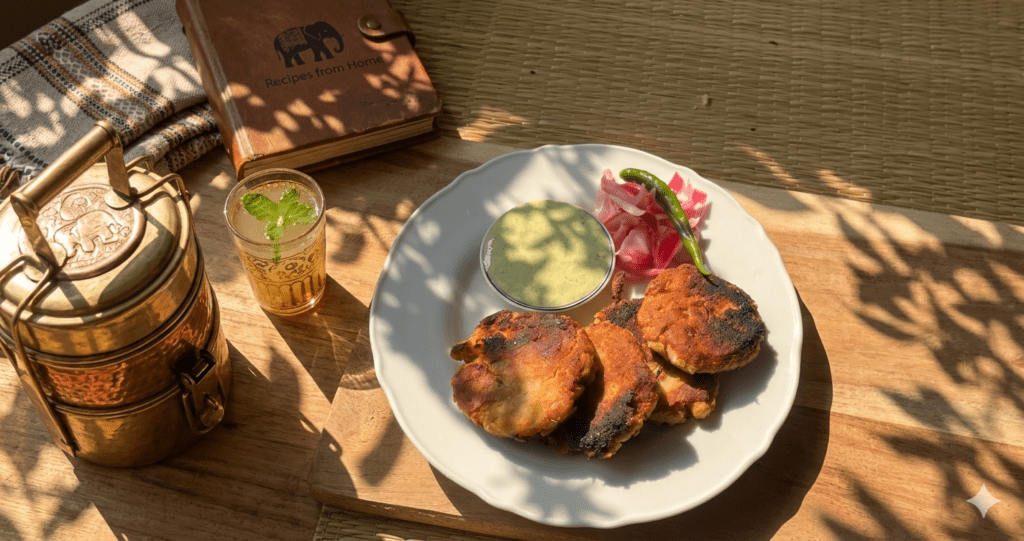
Chicken shami kabab
Process
1. Boil chicken 500gm with pre soaked chickpeas, garlic cloves, green chillies, cinnamon sticks, ginger .
2. Smash it with you spatula or grind them in a jar not smooth paste
3. Make the kabab shape with semolina , salt
4. Fry them in ghee
5. Serve hot with green chatni with curd and some pickled onions .
6. You can also freeze them for 3 days.
#highprotein #mealprepideas #ibsmeals #caloriematterss
You must try these.
No sugar, just real nourishment 🖤
I used to rely on supplements for calcium,
but now I prefer getting it from real food.
These black sesame laddus are made with simple, nutrient-dense ingredients:
• black sesame (calcium rich)
• pumpkin seeds (magnesium)
• walnuts (omega-3)
• hemp seeds (healthy fats)
• dates (natural sweetness)
A small, simple way to support your daily nutrition.
Save this recipe for later 🤍 #caloriematterss #highprotein #healthysnacks #nosugar #calciumrich
Simple, spicy, and perfect after a workout 💪🔥
This green masala chicken is packed with protein and flavor — no complicated steps, just real food.
🥣 How I made it:
Blend tomato, onion, green chili & coriander leaves into a fresh paste. Add it to chicken.Mix with salt, turmeric & red chili powder.Cook in a pan until perfectly done.
👉 Perfect for post-workout dinner
👉 Keeps you full & supports fat loss
#caloriematterss #highprotein #weightlossjourney #indianfood #homecooking
🍍 Pineapple Detox Drink for Lung Support
A refreshing drink that may help cleanse the lungs and support breathing health. Simple, natural, and easy to make at home.
🥤 **How to make**
Blend pineapple with a small piece of ginger.
Add fresh lemon juice and a little warm water.
Mix well and drink
#detoxdrink #lunghealth #pineappledrink naturalwellness healthyrecipes
Green Herb Chicken 🍗🌿
Recipe
• Blend coriander leaves and spinach leaves into a smooth green paste
• Marinate the chicken with the green paste and salt
• Heat ghee in a pan
• Add garlic paste and fry until fragrant
• Add the marinated chicken
• Cook until the chicken is tender and fully done
• Serve hot
#caloriematterss #highprotein #healthyrecipes #chickenrecipe #homecooking
5. Paneer in Small Amounts
Paneer is one of the high protein foods easy to digest — in moderate portions. Around 18g protein per 100g. The catch: paneer is made from dairy and contains some residual lactose. If you’re lactose sensitive, large amounts cause problems. For me, 50-75g is the comfortable limit per meal.
More than that and I feel it. Paneer bhurji (crumbled) digests better than large cubed pieces in heavy curry because the smaller surface area is processed faster.
6. Masoor Dal — Close Second to Moong
Masoor dal (red lentil) is another high protein food easy to digest — slightly higher protein than moong at around 17g per cooked cup, and cooks faster with no soaking needed. It’s a little more gas-forming than moong but significantly gentler than urad dal or rajma. For most people with gut sensitivity, masoor dal is a daily staple that causes no issues.
How I Hit 75-80g Protein Daily Without Gut Drama
The key to eating high protein foods easy to digest consistently is distribution — not trying to get all your protein in one meal . Here is my actual daily pattern:
7 AM Breakfast: 2 eggs scrambled in ghee — 12g protein
10 AM Mid-morning: Small moong dal chilla — 10g protein
1 PM Lunch: Fish curry with rice and small curd — 30g protein
4 PM Snack: Small handful roasted chana — 7g protein
7 PM Dinner: Small paneer bhurji or dal — 14g protein
Total: approximately 73g protein. Every item on this list is a high protein food easy to digest. No single meal is overloaded. No single source is eaten in excess.
How Cooking Method Changes Digestibility
The same food prepared differently can be the difference between comfort and a bad evening. Pressure cooking legumes makes them significantly easier to digest than stovetop cooking.
Soaking overnight reduces fermentable compounds. Less oil means faster gastric emptying. Lighter spicing on sensitive days reduces gut irritation. High protein foods easy to digest are not just about choosing the right food — they’re about preparing it the right way.
What to Eat When You Have a Sensitive Stomach but Still Want Protein?
The gentlest protein sources for a sensitive gut are eggs (soft-boiled or scrambled, not fried), well-cooked moong dal, plain Greek yogurt, paneer in small portions, and skinless chicken cooked soft. These digest faster than heavy legumes or red meat.
What makes them easier: low fibre, no tough outer husk, and they don't sit in the gut fermenting. Moong dal specifically has the thinnest husk of all dals — pressure-cook it until completely soft and your stomach barely notices it.
What to avoid until your gut settles: rajma, chhole, whole urad dal, and raw onion-heavy dishes. These ferment in the colon and cause bloating even in people without IBS.
30g is very doable without pushing your gut. A simple day could look like this:
- Breakfast — 2 eggs scrambled + 100g Greek yogurt = ~18g protein
- Lunch — 1 cup cooked moong dal with rice = ~9g protein
- Snack — 50g paneer, plain or lightly sautéed = ~9g protein
That's 36g without touching any heavy legumes or protein powders. The key is spreading protein across meals rather than loading it all at once — large protein hits in one sitting slow digestion and can cause discomfort even with gentle foods.
Both — it depends entirely on which dal and how you cook it. Dal causes gas when it's undercooked, not soaked, or made with a heavy tadka of raw garlic and onion on top.
Moong dal (yellow split) is the gentlest option and rarely causes bloating when pressure-cooked until completely soft. Masoor dal (red lentil) is the second-best. Both are low-FODMAP in moderate portions.
The ones to be careful with: whole urad dal, chhole, and rajma. These have thick husks and high raffinose content, which ferments in the gut. If you want dal with a sensitive stomach, start with moong, cook it very soft, skip the raw onion in the tadka, and keep the portion to one cup.
Greek yogurt — yes, for most people with IBS. It's low-lactose because the straining process removes most of the whey. The live cultures also support gut bacteria. Start with 2–3 tablespoons and build up. Full-fat versions are better tolerated than low-fat, which often have added sugars or stabilisers.
Paneer — in small amounts, usually fine. Paneer is fresh cheese with most lactose drained during the making process. 50–75g at a time is typically well-tolerated. Issues usually come from how it's cooked: heavy cream-based gravies, excess oil, or large restaurant portions can be the actual trigger — not the paneer itself.
If you're lactose intolerant rather than IBS-C or IBS-D, test carefully — everyone's threshold is different.
During a flare, your gut needs low-residue, easy-to-digest protein — nothing that requires a lot of digestive effort. These are the safest options:
- Soft-boiled or scrambled eggs — no oil, or minimal ghee only
- Khichdi made with moong dal — one of the most gut-friendly meals you can eat during a flare
- Plain Greek yogurt at room temperature (cold dairy can trigger cramping)
- Boiled or steamed chicken with no spices — bland but effective
What to completely avoid during a flare: raw vegetables, whole legumes, anything fried, heavy spices, and large meal portions. Keep meals small and eat every 3–4 hours instead of 2–3 large meals.