A 7-Day Diet Plan for IBS Flare: Gentle Foods for Gut Relief
📌 Key Points
What it is: A gentle 7-day diet plan for an IBS flare, built on soft, bland, easy-to-digest Indian foods like rice, moong dal, steamed vegetables and herbal teas.
Why it works: It gives an irritated gut as little work as possible while keeping you hydrated and nourished, easing bloating and cramping day by day.
Honest IBS note: This is what helps me settle a flare, not a cure or medical treatment. Some days even “safe” foods won’t feel safe, and that’s normal. If symptoms are severe or ongoing, please see a doctor.
How to use it: start with Day 1, eat small meals every 3 hours, and transition back slowly once you feel steady.
7-day diet plan for IBS flare is exactly what I go looking for when my stomach turns into a mess of bloating, cramping and second-guessing every bite. When a flare hits, I stop reaching for “healthy” and start reaching for gentle — soft, warm, easy-to-digest food that gives my gut a break while still keeping me nourished. This is the plan I lean on, and it might help you find your footing too. This 7-day diet plan for IBS is built around comfort, not restriction — soft, warm meals that let an irritated gut rest.
It’s a week of comforting, easy-to-digest Indian foods that help ease bloating and discomfort so you can feel a bit more in control. Before you start, it helps to know which foods are safe to stock, so read my guide on the best foods to eat in IBS first. Here’s the day-by-day plan, what to avoid during a flare, and the honest notes on how to use it. I put together this 7-day diet plan for IBS after too many flares left me guessing what was safe to eat.
Table of Contents
What is a 7-day diet plan for IBS flare?
A 7-day diet plan for IBS flare is a week of easily digestible, low-fiber, bland foods that are gentle on the gut and give it time to settle. The goal is simple: less work for an irritated digestive system.
During a flare the gut is inflamed and overwhelmed, so this kind of plan helps ease bloating, cramping, gas, and the swing between diarrhea and constipation. It leans on soft, cooked, familiar foods rather than raw salads or heavy meals.
Typical ingredients are the gentlest things in the kitchen: cooked white rice, steamed carrots (gajar), moong dal (yellow lentils), ripe bananas (kela) if tolerated, coconut water, and herbal teas. Nothing fancy, nothing harsh — just food that lets your gut rest.
The 7-day diet plan for IBS , day by day
Here’s the full week, kept exactly as I follow it. Eat small portions, sip warm water between meals, and don’t force anything.
Day 1: Gentle reset
- Morning: warm water + 1 tsp soaked fennel seeds (saunf)
- Breakfast: soft rice porridge with a pinch of rock salt (sendha namak)
- Lunch: steamed carrots (gajar) + moong dal
- Evening: chamomile tea
- Dinner: soft-cooked rice + bottle gourd (lauki)
Why it works: rehydrates and calms the gut. This day sets the foundation for the week.
Sticking to a 7-day diet plan for IBS gives your gut a consistent, predictable week, which is often exactly what a flare needs.
Day 2: Bananas and binding
- Breakfast: ripe banana (kela) + 1 tsp peanut butter (if tolerated)
- Lunch: boiled potato (aloo) with cumin (jeera) + soft-cooked rice
- Snack: warm mint (pudina) tea
- Dinner: moong dal khichdi with ghee
Why it works: soluble fiber helps bulk up stools and soothe the gut lining.
Day 3: Add protein gently
- Breakfast: suji (semolina) upma with a little grated carrot
- Lunch: soft-cooked lentil soup (diluted) + rice
- Evening: ginger (adrak) water
- Dinner: poha (flattened rice) with curry leaves and mustard seeds
Why it works: eases in a little more substance without overloading the gut.
Day 4: Rehydrate and restore
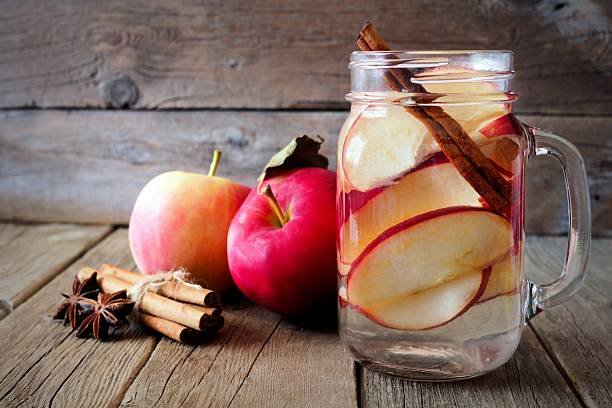
- Breakfast: cooked apple (seb) with cinnamon (dalchini)
- Lunch: mashed sweet potato (shakarkandi) with cumin (jeera) + lauki sabzi
- Snack: coconut water
- Dinner: khichdi with bottle gourd (lauki) + carom seed (ajwain) tea
Why it works: focuses on hydration and gentle carbs. By now your gut should feel steadier.
Day 5: Gentle fiber comeback
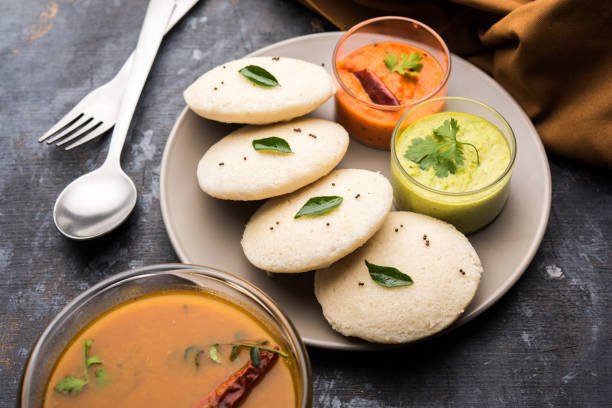
- Breakfast: steamed idli with mint (pudina) chutney
- Lunch: moong dal + lightly mashed pumpkin (kaddu) sabzi
- Snack: cumin (jeera) water
- Dinner: rice with well-cooked spinach (palak) + a pinch of hing (asafoetida)
Why it works: reintroduces gentle, cooked fiber slowly. A 7-day diet plan for IBS works best when you eat small portions every few hours and sip warm water in between.
Day 6: Herbal recovery
- Breakfast: cooked suji (semolina) halwa with ghee
- Lunch: masoor dal (red lentils, strained) + plain rice
- Snack: peppermint tea
- Dinner: carrot-beet soup + soaked sabudana (tapioca pearls)
Why it works: soothing, warm foods that keep things calm.
Day 7: Final rebuilding
- Breakfast: rice flakes (chire) with warm milk or almond milk
- Lunch: quinoa + bottle gourd (lauki) + mint (pudina)
- Snack: coconut water
- Dinner: moong dal soup + jeera rice
Why it works: gently rebuilds variety as your gut steadies. Once you finish this 7-day diet plan for IBS, transition back to variety gradually rather than all at once.
What foods should you avoid during a flare?
During a flare, skip the things that make an irritated gut work harder — raw vegetables, most dairy, fried and heavily spiced food, and excess fiber or wheat rotis. Cutting these out is half the battle.
The main ones to avoid are raw vegetables (especially raw onion and garlic), dairy unless it’s A2 or lactose-free and you tolerate it, caffeine, spicy masalas and fried food, and wheat-based rotis or excess fiber. Even cutting your chai to half a cup can make a real difference to how your stomach feels by evening.
This is the part that makes the plan work. The gentle foods soothe, but avoiding the triggers is what actually lets the gut settle.
How do you get the most from the plan?
Eat small meals every three hours, sip warm water between them, use a little ghee as a gentle fat, and keep a simple food-and-symptom journal. Small habits make a big difference during a flare.
A few things that help me: eating slowly without multitasking, sipping warm water rather than gulping cold, and jotting down how my body responds to each meal so I learn my own patterns. Ghee is a gentle, gut-friendly fat that many people tolerate well during a flare.
Only switch back to your normal diet once you’ve had three or more days with no bloating or cramps, normal bowel movements, and your energy back. Transition gradually, combining the soft diet with a slow low-FODMAP reintroduction.
An honest word on living with flares
This plan isn’t magic, and I’d never pretend it is — some days you’ll still feel bloated, and some days even “safe” foods won’t feel safe. That’s okay. IBS taught me that eating well isn’t a fixed rulebook; it’s about eating right for your body, on that particular day.
What this week gives you is a starting point — a way to stop panicking during a flare and feel in control of something. Start with Day 1. Just Day 1: warm water, rest, gentle food. That’s enough.
Your gut has been through a lot, so give it the gentleness it deserves. If your symptoms are severe, don’t improve, or come with red-flag signs like unexplained weight loss or bleeding, please see a doctor — a food-blog plan is a comfort measure, not medical care.
You can Also Try Onion Pickle , ACV drink and Have a treat with Guilt free Chocolate Cake
Try this Calcium Rich Laddu
Frequently Asked Questions
What should I eat during an IBS flare?
During an IBS flare, stick to warm, soft, easy-to-digest foods like rice porridge, moong dal, steamed carrots, and coconut water. Your gut is inflamed and overwhelmed, so the goal is to give it as little work to do as possible.
Does the low-FODMAP diet actually work for IBS?
For many people, yes. It is not a forever diet, but during a flare it genuinely helps to cut out high-FODMAP foods like onion, garlic, and certain fruits. Give it at least 2 weeks before judging results.
Which foods should I completely avoid during this plan?
Raw vegetables, dairy, fried food, excess spices, onion, garlic, and wheat rotis are the main ones. Even cutting chai to half a cup can make a real difference in how your stomach feels by evening.
How do I add fiber back without triggering symptoms?
Very slowly. Start with cooked oats or steamed carrots rather than salads or whole wheat. Your gut needs to rebuild tolerance gradually. If you rush fiber, you will end up back at Day 1.
Does this plan work for both IBS-C and IBS-D?
Yes, with small tweaks. For IBS-C (constipation), lean more toward cooked oats, ghee, and warm fluids. For IBS-D (diarrhea), focus more on binding foods like rice, banana, and boiled potato. Listen to your body — it tells you more than any plan can.
Should I take probiotics during a flare?
It is best to wait until Day 5 or 6 before introducing probiotics. During the first few days your gut lining is too irritated. Plain lactose-free yogurt or a gentle Lactobacillus supplement works well once you are past the worst of the flare.
How much water should I drink during an IBS flare?
Aim for at least 8 to 10 glasses a day, sipping slowly rather than gulping. Warm water works better than cold during a flare. Adding a pinch of rock salt to coconut water also helps restore electrolytes if you have been dealing with diarrhea.
🌿 Love gut-friendly recipes? Add Caloriematterss as your Google Preferred Source so my low-FODMAP, high-protein recipes show up more often for you. Set Caloriematterss as a preferred source →