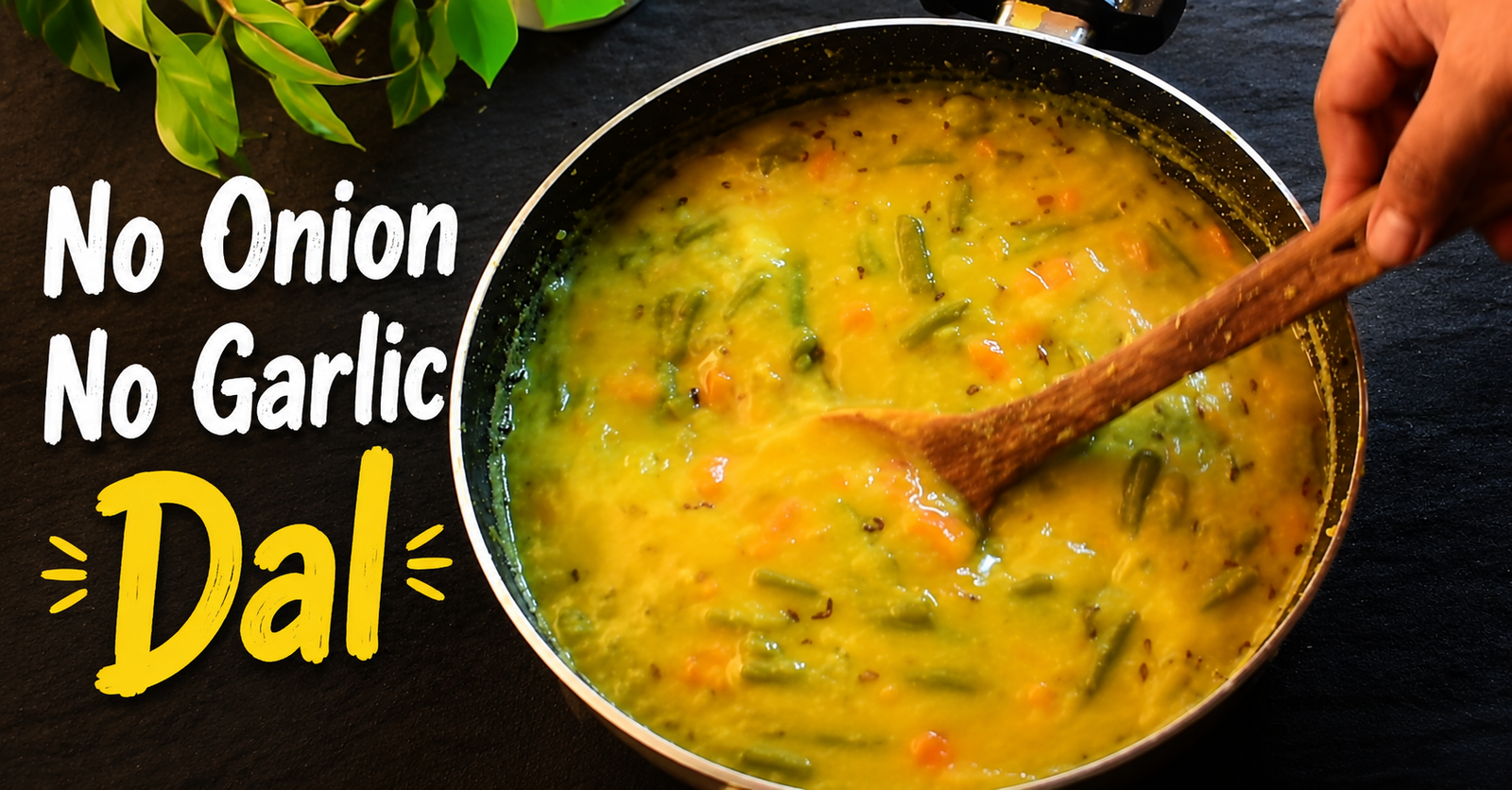
No Onion No Garlic Dal — A Light, Gut-Soothing Mixed Dal for IBS and Weight Loss
📌 TL;DR
What it is: Yellow moong dal pressure-cooked with lauki (bottle gourd), carrot, beans and potato, finished with a ginger-jeera tempering — no onion, no garlic
Why it works: Moong dal is the lightest lentil, the vegetables add natural sweetness, and there are no high-FODMAP aromatics
IBS-friendly: Yes — genuinely no onion, no garlic, light enough for a flare day
Also good for: Sattvic and vrat (fasting) diets, weight loss, light dinners
Cook time: 35 minutes | Best served as: A soup or with rice
Why a No Onion No Garlic Dal Is One of My Most-Made Dinners ?
There is a common belief that Indian food cannot taste good without onion and garlic. This dal is the dish I point to whenever someone says that to me. It is built entirely without either — and it still tastes warm, comforting, and complete.
For IBS specifically, onion and garlic are two of the most common triggers, both high in FODMAPs. Leaving them out is not a compromise here — it is the entire point. The flavour instead comes from a simple ginger and jeera (cumin) tempering, the natural sweetness of lauki (bottle gourd) and carrot, and the warmth of bay leaf and haldi (turmeric).
I make this most often as a light dinner. It is the kind of meal that does not sit heavy at night, which matters a lot when a heavy late dinner is one of the quickest ways to wake up with IBS symptoms. It also happens to be sattvic, which makes it suitable for vrat (fasting) days and anyone following a no-onion-no-garlic diet for spiritual reasons.
Table of Contents
What Makes This Dal Good for IBS and Weight Loss?
Why Make Dal Without Onion and Garlic for IBS?
Onion and garlic are both high FODMAP, containing fructans that ferment in the gut and produce gas. For many people with IBS they are among the most reliable triggers. Removing them from a dal removes one of the most common reasons dal causes bloating. The flavour gap they leave is filled here by ginger, jeera (cumin), bay leaf, and the natural sweetness of the vegetables — so the dal stays flavourful without the trigger.
Why Is Yellow Moong Dal the Best Choice Here?
Yellow moong dal is the lightest and most easily digested lentil, with the lowest FODMAP content of the common Indian dals. Dry roasting it before cooking, as this recipe does, deepens the flavour and makes it even easier on the stomach. This is why moong dal is the dal most often recommended for IBS flare days and for gentle, light dinners — it does the job of a comforting dal without the heaviness of chana or rajma.
How Do the Vegetables Help This Dal?
Lauki (bottle gourd) is one of the most gut-soothing vegetables in Indian cooking — high in water content, cooling, and very easy to digest. Carrot adds natural sweetness and fibre. Potato gives the dal body and makes it more filling without any added fat. Together these vegetables turn a simple dal into a complete one-bowl meal, while keeping it light enough to eat at night.
Is This Dal Good for Weight Loss?
Yes. It is naturally low in calories, high in plant protein from the moong dal, and filling thanks to the vegetables and fibre — the combination that supports a calorie deficit without leaving you hungry. There is only a small amount of olive oil used in the tempering and no cream or heavy fat anywhere. For weight loss, the jaggery in the recipe can be skipped or reduced, as noted in the recipe card.
How Do You Serve and Adapt This Dal?
This dal works beautifully as a soup on its own — light, warming, and complete. For a more filling meal, serve it with a small portion of plain rice or jeera rice. It also pairs well with a gluten-free roti if you want something heartier.
For consistency, adjust the water to your preference — more water for a drinkable soup, less for a thicker dal to eat with rice. The tempering is added after boiling rather than at the start, which keeps the ginger and jeera flavour fresh and bright in the finished dal.
If you are making this for a flare day, keep it at its simplest — moong dal, lauki, and the ginger-jeera tempering, skipping the potato and beans if your gut is very sensitive that day.
5-Step Dal Soup Method of No Onion, No Garlic Dal
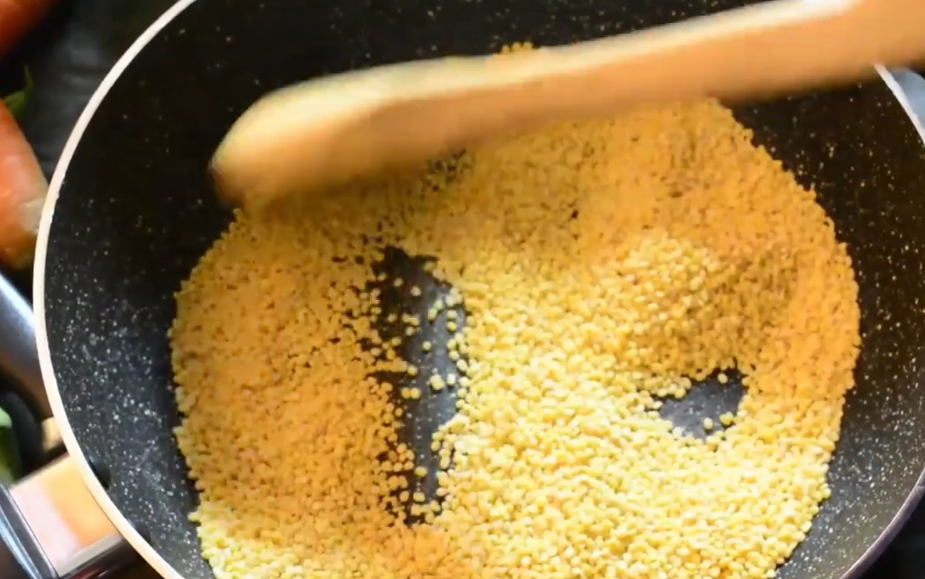
Step 1: Dry Roast the Dal
Lightly dry roast yellow moong dal in a kadhai or frying pan until it turns aromatic (3–4 minutes). This improves flavor and makes it easier to digest.
Step 2: Wash and Chop Veggies
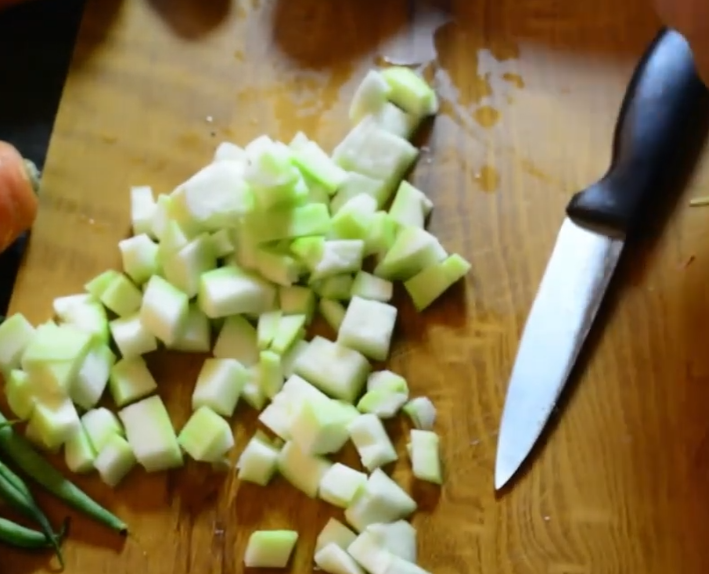
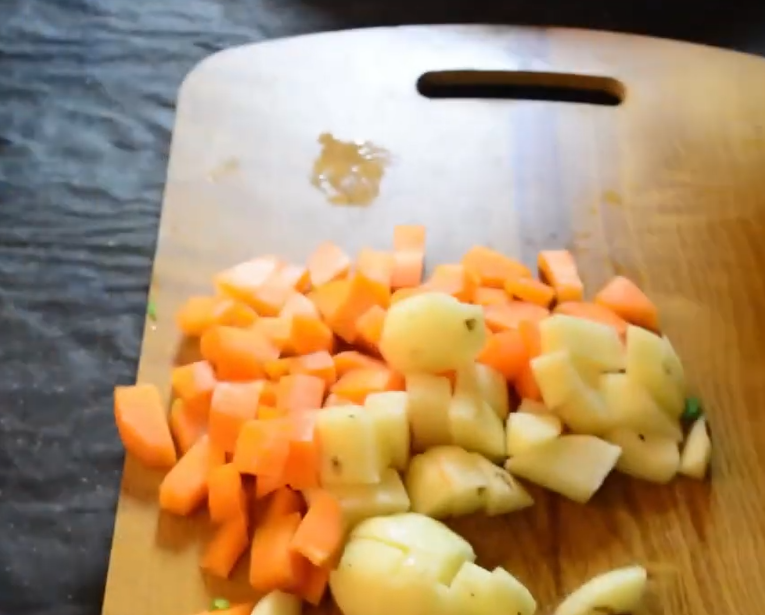
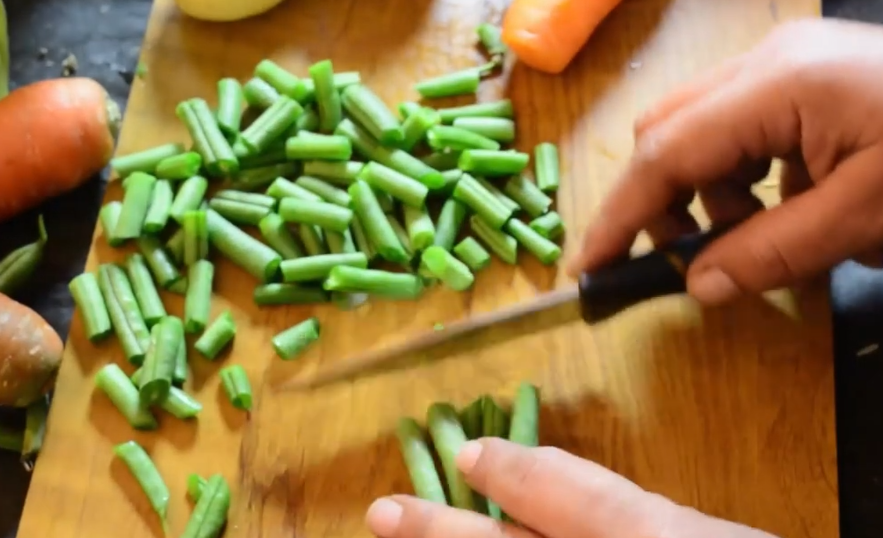
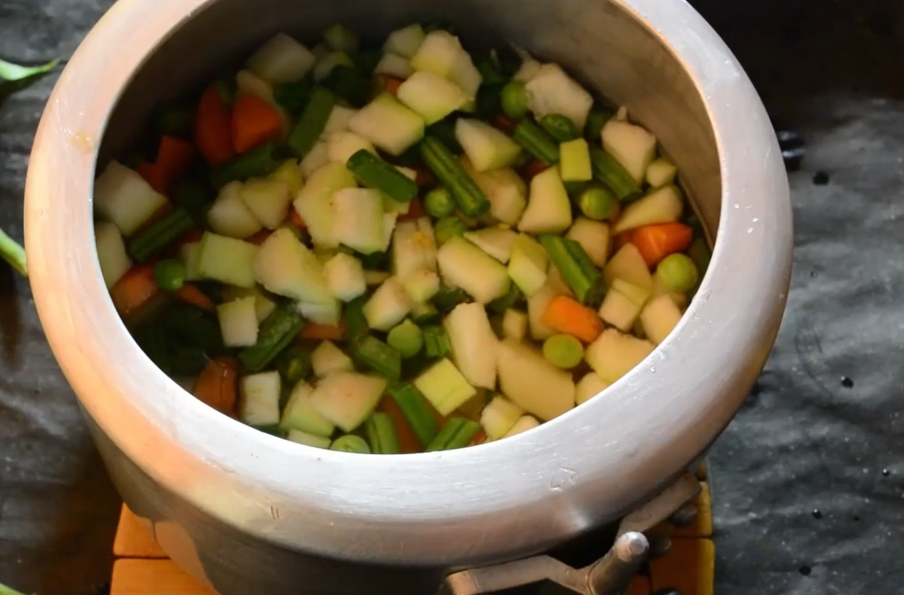
Wash the dal. Chop 1 small potatoes, 1 carrot, a handful of beans, and some bottle gourd into small pieces.
Step 3: Pressure Cook Everything
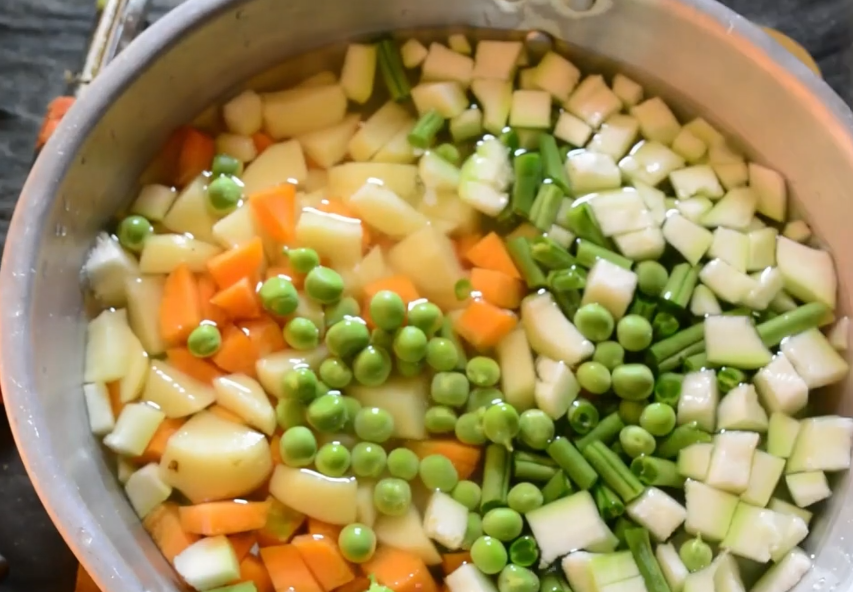
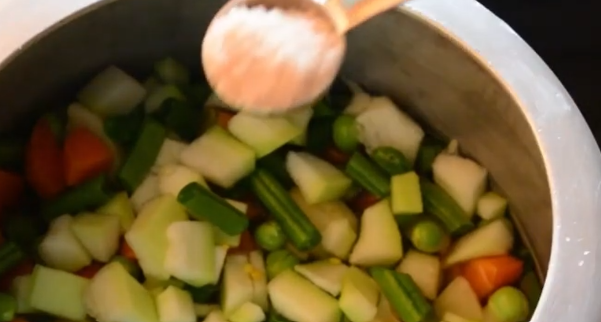
In a pressure cooker, combine roasted dal, all chopped veggies, fresh or frozen turmeric, salt, and water. Pressure cook for 3–4 whistles until everything is soft.
Step 4: Prepare the Tempering
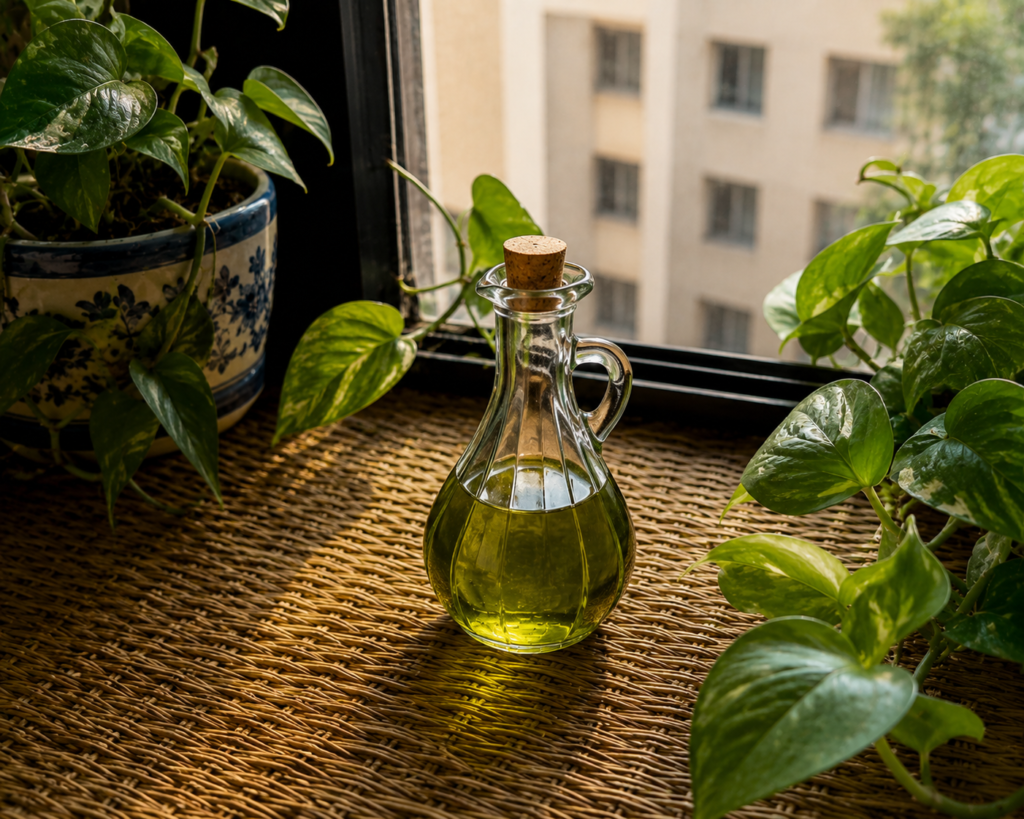
In a pan, heat 1 tsp olive oil. Add 1tsp Cumin seeds , One Bay leaf , 1 green chili ,grated ginger . Let it sizzle gently without burning.
Step 5: Combine and Boil
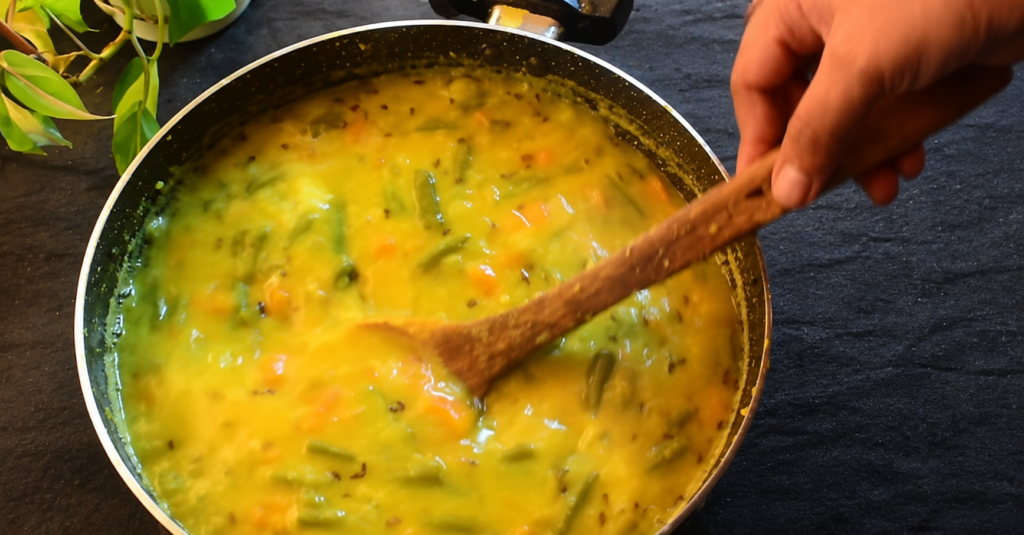
Add the boiled dal + veggies. Add Small piece of jaggery and slat . Adjust water for soup consistency. Boil for 2–3 minutes. Garnish with coriander and serve hot.
Mixed Dal Recipe Without Onion and Garlic
Equipment
- 1 Pressure Cooker
- 1 Non Sticky Pan with Lid
- 1 Spatula
Ingredients
- 1 cup mung dal yellow lentils
- 100 gm bottle gourd lauki, peeled and chopped
- 50 gm carrot 1 medium, peeled and chopped
- 80 gm green beans chopped
- 30 gm green peas fresh or frozen
- 2 small potatoes peeled and chopped
- 1 tsp cumin seeds
- 10 gm fresh ginger 1 inch, smashed
- 2 –3 green chilies slit
- 1 bay leaf
- 1 tsp salt
- 1 tsp turmeric powder
- 10 gm jaggery optional for sweetness
- 2 tsp olive oil
- Water as needed
Instructions
- 1 cup mung dal (yellow lentils)
- 100 gm bottle gourd (lauki), peeled and chopped
- 50 gm carrot (1 medium), peeled and chopped
- 80 gm green beans, chopped
- 30 gm green peas (fresh or frozen)
- 2 small potatoes, peeled and chopped
- 1 tsp cumin seeds
- 10 gm fresh ginger (1 inch), smashed
- 2–3 green chilies, slit
- 1 bay leaf
- 1 tsp salt
- 1 tsp turmeric powder
- 10 gm jaggery (optional for sweetness)
- 2 tsp olive oil
- Water as needed
Video
Notes
– Store in the fridge in individual containers for 3–4 days.
– This dish is also sattvic and perfect for no-onion, no-garlic diets.
How Do You Store This Dal for Meal Prep?
This dal stores well and is genuinely meal-prep friendly. Keep it in individual containers in the fridge for 3 to 4 days — the flavour holds well and in some ways improves as it sits. Reheat on the stove with a splash of water to bring it back to soup consistency, as it will thicken in the fridge.
It is one of the better dals for batch cooking because the moong dal and soft vegetables reheat cleanly without changing texture much. Make a double batch at the start of the week and you have a light, gut-friendly dinner ready for several nights.
Along with No Onion No Garlic Dal you can also eat these — https://caloriematterss.com/best-dals-for-ibs/
spinach masoor dal recipe — https://caloriematterss.com/spinach-masoor-dal-recipe/
IBS friendly Indian dinner — https://caloriematterss.com/ibs-friendly-indian-dinner
Frequently Asked Questions
What is no onion no garlic dal?
No onion no garlic dal is a simple mixed lentil dish made without onion or garlic. This version combines yellow moong dal with lauki (bottle gourd), carrot, green beans, and potato, then finishes with a light tempering of ginger and jeera (cumin). It’s rich in plant protein, gentle on digestion, and suitable for IBS, sattvic diets, and vrat (fasting) days.
Why is this dal made without onion and garlic?
Onion and garlic are high in FODMAPs and are common triggers for people with IBS, so leaving them out makes the dal easier to digest. They are also avoided in sattvic cooking and during many vrat (fasting) days. Instead, this recipe builds flavour with ginger, cumin, bay leaf, and the natural sweetness of fresh vegetables.
Can I make this dal spicier?
Yes. Add extra slit green chillies to the tempering or finish with a pinch of black pepper. If you tolerate spicy foods, you can also add a small amount of red chilli powder. If you have IBS, increase the heat gradually, as very spicy foods may trigger symptoms during a flare.
Can I use other lentils for this recipe?
Yes. Yellow moong dal is the lightest option and especially suitable for IBS, but masoor dal (red lentils) also works well. You can even combine moong and masoor for a different texture. Heavier lentils such as chana dal or whole urad are not recommended for this recipe because they are harder to digest and create a heavier dish.
What can I serve with no onion no garlic dal?
Enjoy it on its own as a nourishing soup, or pair it with plain rice, jeera rice, or a gluten-free roti for a complete meal. A side of curd or a simple cucumber salad keeps the meal light and gut-friendly. On IBS flare days, serving it with plain rice is often the gentlest option.
🌿 Love gut-friendly recipes? Add Caloriematterss as your Google Preferred Source so my low-FODMAP, high-protein recipes show up more often for you. Set Caloriematterss as a preferred source →