What to Eat for IBS at Night in Summer: 6 Cooling Indian Options That Actually Settle My Gut
📝 Quick Guide
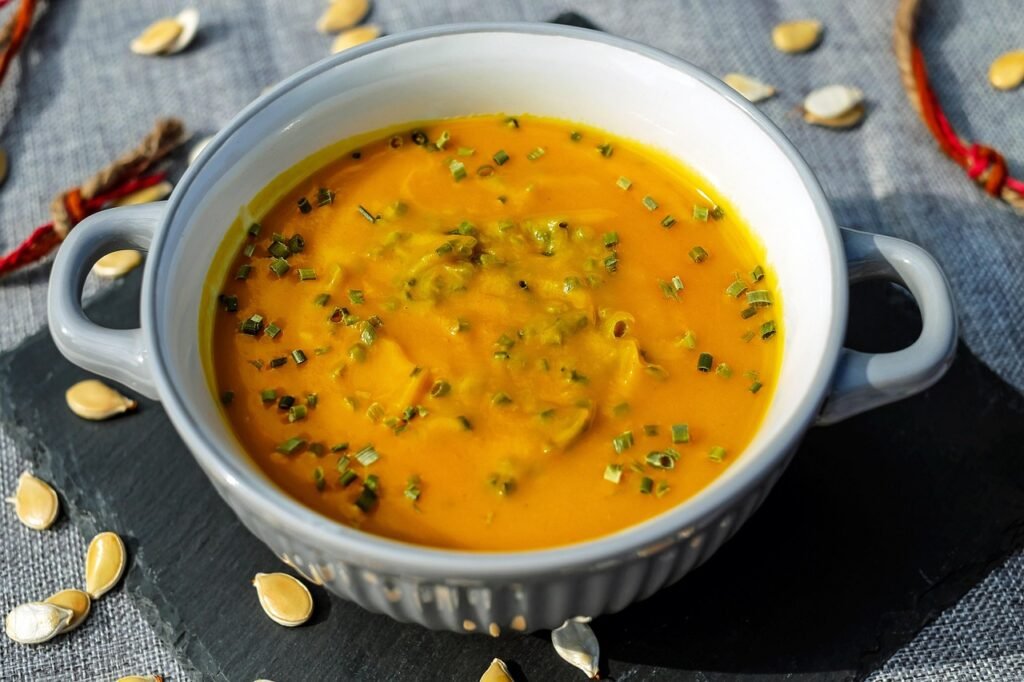
What it is: Six IBS night food ,simple and cooling Indian dinners I lean on when my IBS is flaring on hot summer nights — moong dal soup, soft khichdi, steamed lauki, ragi porridge, cucumber-coconut raita, and a sattu drink.
Why it works: Warm, cooked, low-fat, and built on gentle grains and moong — the kind of food that digests before I lie down instead of sitting heavy and bloated.
Honest IBS/low-FODMAP note: Moong dal, rice, lauki, cucumber and ragi are low-FODMAP in normal portions. Coconut and curd are personal — I keep coconut small and use hung curd (strained yogurt) or lactose-free curd because full dairy can hit me at night. IBS is individual, so test one dish at a time.
Per serving (moong dal soup): ~180 kcal | Protein: ~11g
IBS night food is the thing I think about most on a hot Kolkata evening. By the time it’s dark, I’m tired, the flat is still warm, and my gut has already done its complaining for the day. One heavy or wrong dinner and I’m awake at 3am with cramps and that tight, gassy feeling that ruins the next morning too. So over the last couple of years — I was diagnosed with IBS in 2023 and rebuilt my whole way of eating around it — I’ve narrowed my summer nights down to a small set of meals that reliably let me sleep.
None of this is about eating less or punishing yourself. It’s about picking food that’s already halfway digested by the time your head hits the pillow: warm, cooked, low in fat, and built on grains and dals that don’t ferment aggressively in the gut.
Here’s what a good IBS night food should do for me:
- Cool the body down instead of adding heat
- Feel light but still fill me up
- Skip the ingredients that reliably trigger gas
- Digest fast so I’m not lying down on a full, bloated stomach
Let me walk you through the six I actually rotate.
Why does moong dal soup work so well for IBS at night?
Moong dal (split yellow lentils) is the one dal I trust when my gut is unhappy. It’s the gentlest of the lentils, it’s low-FODMAP in a normal bowl-sized portion, and when I cook it soft and thin it goes down like a soup rather than a heavy meal.
I keep it simple: moong dal boiled until it collapses, a temper of ghee with cumin (jeera) and a pinch of asafoetida (hing), and grated ginger. The hing is the quiet hero here — it gives that onion-garlic depth without any of the onion or garlic, which are two of my biggest triggers.
On a night when I’m too bloated to face anything solid, this is what I make. A bowl of thin moong soup with 1 teaspoon (about 5 ml) of ghee and a little roasted jeera powder, and I’m done. No roti, no rice, nothing else needed.
Is khichdi good for IBS, and how do I make it summer-friendly?
Khichdi is my comfort meal on the worst gut days. Soft rice and moong dal cooked together with turmeric (haldi) and a little ajwain (carom seeds), everything mushy and easy. There’s a reason it’s the food people are given when they’re recovering from illness — it asks almost nothing of your digestion.
The summer twist I like is a small spoon of coconut curd on the side once the khichdi has cooled a little. Honest note here: coconut curd is gentler on me than full dairy curd, but it isn’t a free pass — I keep the portion small because coconut in larger amounts can still push my FODMAP load up. If I want the probiotic angle without the coconut, I’ll use a spoon of hung curd (strained yogurt) instead, since straining removes a lot of the whey and lactose.
Top it with a few curry leaves fried in the ghee temper. That’s the whole dinner.
If you want to make your own, here’s my method for probiotic coconut curd at home.
Can steamed lauki really settle a summer stomach?
Bottle gourd (lauki) is mostly water, which is exactly why it’s such a good hot-weather vegetable. It’s bland in the best way — cooling, easy, and it doesn’t sit heavy the way a rich sabji does.
I steam or lightly cook cubed lauki with just cumin (jeera), grated ginger and rock salt (sendha namak). No red chilli at night, no heavy masala. If I want a little more to it, I’ll have it with one soft phulka (thin roti) or a bowl of thin rice kanji (rice cooked loose with extra water).
It’s not exciting food. But “not exciting” is often exactly what my gut wants after dark. You can try this dal No Onion No Garlic Dal
What makes ragi porridge a good IBS night food?
Ragi (finger millet, nachni) is my go-to when I want dinner without rice or wheat. It’s naturally gluten-free, it’s got a good amount of fiber, and unlike a big plate of rice it doesn’t spike me and then leave me sluggish.
I make a thin savoury porridge: ragi flour whisked into water so there are no lumps, cooked down with curry leaves, grated ginger and rock salt. Kept thin, it’s soothing rather than stodgy. On nights I want it slightly sweet instead, I’ll cook the ragi in water and stir in a little jaggery — though I keep sweet versions rare because sugar late at night isn’t my friend, IBS or not.
A small bowl is enough. Ragi is filling, and a huge portion of any porridge will feel heavy.
How do you make a raita for IBS without curd?
This one surprises people. You can make something that tastes like raita with no dairy curd at all.
I grate cucumber, squeeze out some of the water, and mix it with a little fresh coconut paste, curry leaves, roasted cumin (jeera) powder and salt. Cucumber is cooling and low-FODMAP, and skipping the dairy means I dodge the acidity that a big bowl of curd can give me at night.
Honest FODMAP note again: it’s the small amount of coconut that keeps this gentle for me. A generous scoop of coconut would tip it, so I stay light-handed. Used as a small side to khichdi or plain rice, it feels like a treat without the payback.
Is a sattu drink okay to have before bed with IBS?
Sattu (roasted chana / Bengal gram flour) is an old-school Indian summer cooler, and it’s genuinely high in protein. I mix a small amount into water with roasted cumin (jeera), a squeeze of lemon and a little black salt (kala namak), and drink it down.
I want to be straight about this one, because sattu is made from chana (Bengal gram), which is higher-FODMAP than moong. A big glass can cause gas for me. So I keep the quantity small — think a light drink rather than a meal — and I only reach for it on nights I’m too bloated to eat anything solid but still want a little protein and something cooling. If chana bothers you badly, skip this one and stick to the moong and rice options above.
Have it about an hour before bed, not right as you lie down.
What’s my quick summer IBS night food checklist?
When I’m deciding what to make, this is roughly the map in my head:
- Protein: moong dal, sattu, ragi
- Carb: soft rice, khichdi
- Cooling veg: lauki, cucumber, plenty of coriander
- Probiotic (gentle): small coconut curd, or jeera water
- Spices that help: ajwain (carom), cumin (jeera), ginger, curry leaves
What should I avoid eating at night with IBS in summer?
Just as useful is knowing what I keep off my plate after dark:
- Full dairy curd — the acidity keeps me up
- Fried or oily snacks — heavy, gassy, the worst thing before bed
- Paneer — I love it, but it’s too rich for a night meal for me
- Big raw salads — too much raw fiber for a tired gut
- Spicy, oily gravies — the heat and fat both aggravate things
And two of my non-negotiables: onion and garlic. They’re high-FODMAP and among my clearest triggers, so my night food is built around hing and ginger instead of leaning on them for flavour.
How long before bed should I eat with IBS?
The single change that helped me most wasn’t a food at all — it was timing. I try to finish dinner about two hours before I lie down. Eating and immediately going horizontal is what turns a normal meal into reflux and bloating for me. Even the gentlest khichdi will misbehave if I eat it at 11:30pm and get straight into bed.
So: lighter food, earlier, and a small gap before sleep. That trio does more for my nights than any single “miracle” ingredient ever could.
Final thoughts on IBS night food
IBS night food, for me, isn’t about eating sad or bland. It’s about choosing dinners that let my gut rest so I can actually sleep — and wake up without regretting what I ate. Start with any one of these six for a week, keep the portions modest, and notice how your nights change.
Your gut deserves better than instant noodles at 10pm. Mine certainly did.
If you’re building out your evenings, these IBS-friendly Indian dinner ideas and gut-healing kitchen essentials pair well with everything above.
Blueberry Chia Pudding , Blood sugar salad bowl
Frequently Asked Questions
What foods should I avoid at night if I have IBS?
I steer clear of high-FODMAP triggers like onion, garlic and beans, plus full dairy curd, paneer, fried snacks and spicy oily gravies. Big raw salads are also too much fiber for my gut late in the day. Everyone’s triggers differ, so it is worth testing one at a time.
What are some gentle IBS-friendly night meals?
Thin moong dal soup, soft khichdi, steamed lauki with a phulka, or a small bowl of savoury ragi porridge all sit well with me. A cucumber-coconut raita on the side works too, kept light on the coconut.
Can I still eat late and stay IBS-friendly?
Yes, within reason, as long as the food is low-FODMAP and easy to digest and I leave about two hours before lying down. It is usually the timing and the portion size, not just the ingredient, that decides whether my night goes smoothly.
Is moong dal low-FODMAP for IBS?
In a normal serving, yes. Moong dal is one of the more gut-friendly lentils and it is the one I rely on most. Very large portions can still add up, so I keep it to a sensible bowl.
Is sattu okay for IBS at night?
Only in a small amount, for me. Sattu is made from chana (Bengal gram), which is higher-FODMAP than moong, so a big glass can cause gas. I keep it light and skip it entirely if my gut is already unsettled.
🌿 Love gut-friendly recipes? Add Caloriematterss as your Google Preferred Source so my low-FODMAP, high-protein recipes show up more often for you. Set Caloriematterss as a preferred source →