Ghee for Digestion: How I Actually Use It in My IBS Cooking
📝 Quick Guide
What it is: This Ghee Remedies for Digestion is simple everyday ways I use in my IBS cooking — over khichdi, in the tadka, with jeera-ajwain water — and where it genuinely helps.
Why it works: Ghee is lactose-free, so it doesn’t trigger me the way dairy does, and a teaspoon makes gentle food like khichdi easier to eat and sit with.
Honest note: Ghee is a food, not a treatment. It won’t cure IBS, “repair” your gut or fix hormones. I share how I cook with it, not medical advice. Keep it to 1–2 teaspoons a day and skip it if a doctor has told you to limit saturated fat.
Ghee for digestion is one of those things I’m careful about how I talk about, because the internet has turned a simple cooking fat into a cure-all it was never meant to be. I use ghee every day and I love it. But I’m not going to tell you it repairs your gut lining or balances your hormones, because it doesn’t, and pretending otherwise would be doing you a disservice.
Here’s the honest version. After my IBS diagnosis in 2023, I couldn’t tolerate a lot of oils and rich food. Ghee, in small amounts, was different — it’s lactose-free, it makes gentle food more satisfying, and a teaspoon over khichdi genuinely helps that meal sit better for me. That’s real, and it’s useful. It’s just food doing what food does, not medicine.
So this isn’t a list of remedies. It’s how I actually use ghee in a gut-friendly kitchen, and where I keep my expectations honest.
Table of Contents
Why does ghee suit my gut when other fats don’t?
A few practical reasons, without the overclaiming. Ghee is clarified, so the milk solids and most of the lactose are removed, which is why it doesn’t trigger me the way dairy does. It has a high smoke point, so it doesn’t turn harsh when I cook with it. And it carries butyrate, a short-chain fatty acid that’s a normal part of a healthy gut — I won’t stretch that into a health promise, but it’s a genuine feature of ghee rather than marketing.
What ghee is not: a treatment for constipation, a fix for inflammation, or something that “cleanses toxins.” Your gut and liver handle that. Ghee is a fat that happens to be gentle and lactose-free, which for someone with IBS is reason enough to keep it on the shelf.
How do I use ghee over khichdi and dal?
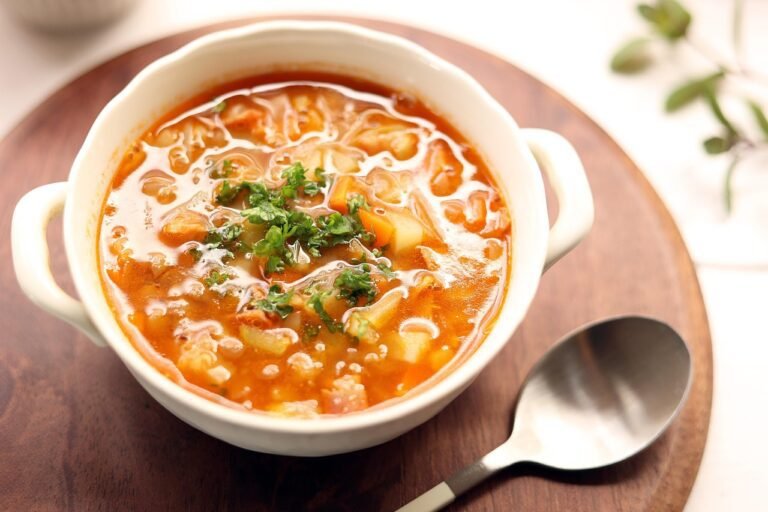
This is the main way, and the one I’d actually recommend. A teaspoon (5 ml) of ghee poured over hot moong dal khichdi, with a little roasted cumin (jeera) and grated ginger, is my go-to gentle meal. The ghee makes the khichdi richer and more satisfying so a small, plain bowl feels like a proper meal.
The same goes for dal. A little ghee tempered with cumin (jeera) and a pinch of asafoetida (hing) is the base of almost every dal I make. The hing gives the onion-garlic depth I can’t have, and the ghee carries the flavour.
Can I add ghee to jeera-ajwain water?
Yes, and I do on a bloated day. I make my usual jeera-ajwain water — cumin (jeera) and carom seeds (ajwain) boiled in water — and stir a quarter teaspoon (about 1 ml) of ghee and a pinch of hing in at the end. I drink it lukewarm after a heavy lunch or dinner.
I’ll be honest about what this does: it’s a warm, soothing drink that helps me feel less heavy after a big meal. Ajwain is the part doing most of the work on gas for me; the ghee just makes it gentler and more pleasant. It’s a comfort, not a cure.
Is ghee with rock salt before meals a good idea?
This is a traditional practice, and I’ll give it a measured take. Some people take a little ghee with a pinch of rock salt (sendha namak) before a meal, and if it suits you, it’s harmless in a tiny amount. Personally I don’t rely on it, and I wouldn’t present it as a fix for weak appetite or acidity. If anything, on an acidic day I’m more careful with fat, not less. So try it if you like, but don’t expect magic.
How much ghee do I actually use in a day?
One to two teaspoons across the day, no more. Ghee is a good fat, and a teaspoon is around 40 calories, so it adds up quickly if you’re heavy-handed. I use it where it earns its place — over khichdi, in the tadka, occasionally in warm milk at night — and that’s plenty. More ghee isn’t more benefit; past a point it just sits heavy.
I’d also gently flag: if a doctor has told you to watch your saturated fat, or you have a fatty liver or a dairy allergy, ghee isn’t the food for you, and no amount of tradition changes that. A cold-pressed oil is a fine swap in cooking.
What ghee do I buy?
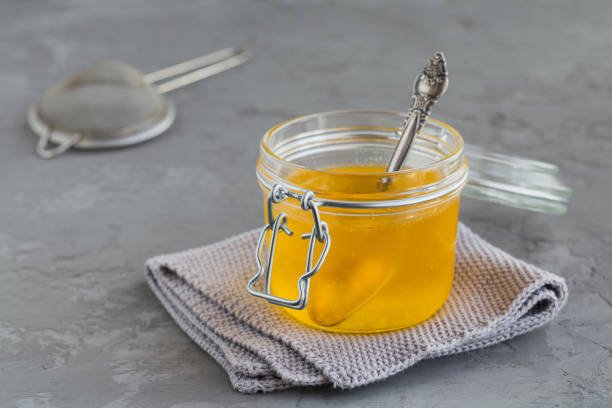
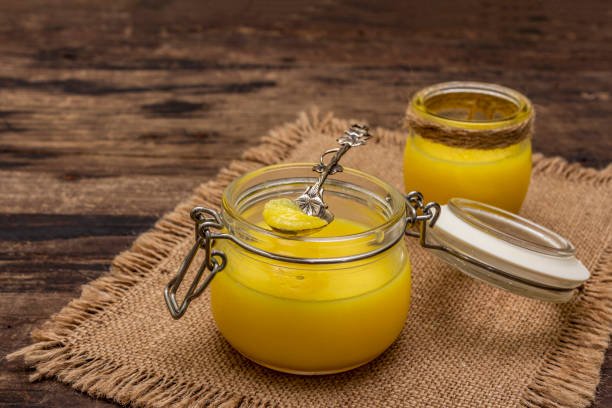
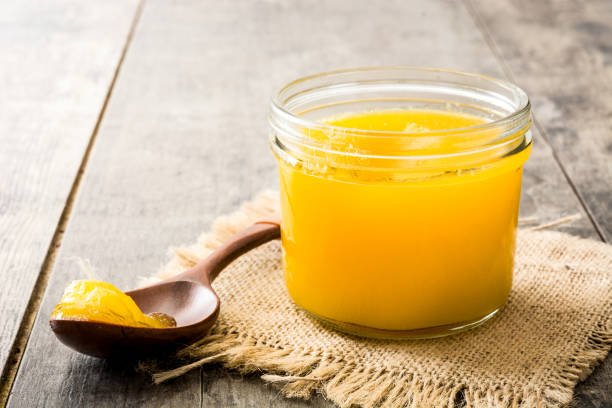
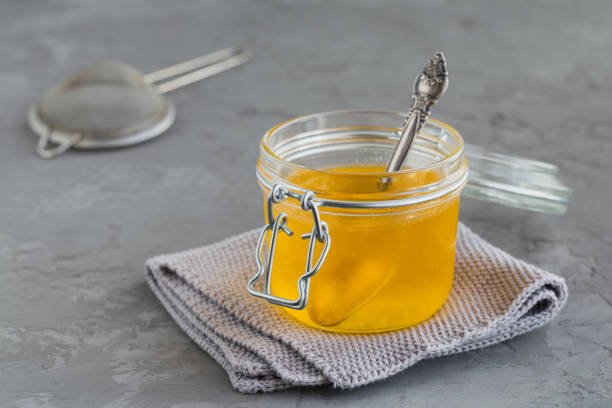
I keep it simple. A2 cow ghee or good hand-churned (bilona) ghee, stored in a glass jar in a cool, dark cupboard rather than the fridge, away from moisture. I avoid anything labelled “vanaspati” or hydrogenated — that’s a different product entirely and not what you want. Beyond that, I don’t overthink it. Good plain ghee, used in small amounts, does everything I need.
So what can ghee honestly do for digestion?
To pull it together plainly: ghee is a gentle, lactose-free cooking fat that makes IBS-friendly food easier and more satisfying to eat. It suits my gut where heavier oils don’t, and a teaspoon over khichdi is one of my most-used habits. That’s the honest scope of it. It doesn’t cure, repair, detox or rebalance anything, and I’d be wary of any post that tells you it does. Use it as good food, and let the actual work of managing IBS — knowing your triggers, eating gently, seeing a doctor when needed — do the heavy lifting.
If you want meals that use it, here’s my onion-free high-protein dal and my gut-friendly kitchen essentials, both built around a little ghee.
11 IBS-Friendly Indian Breakfast Ideas , 8 IBS Cooking Tips
Frequently Asked Questions
Is ghee good for digestion?
In small amounts, ghee is a gentle, lactose-free cooking fat that many people find easy to digest, and it makes light meals like khichdi more satisfying. It is a helpful food, not a cure. It will not repair your gut or treat a condition on its own.
Is ghee safe for people with IBS?
For most people with IBS, a teaspoon or two of ghee is fine because it is lactose-free. It suits me where heavier oils do not. If you have a dairy allergy, fatty liver, or have been told to limit saturated fat, it is best avoided.
How much ghee should I have in a day?
One to two teaspoons a day is plenty for most adults. Ghee is a fat, so more is not better. Beyond a small amount it just adds calories and can feel heavy.
Can I cook ghee with spices for my gut?
Yes, and it is how I use it most. Ghee tempered with cumin (jeera), ajwain or a pinch of hing is the base of my dals, and it adds gentle flavour without onion or garlic.
Does ghee cure constipation or heal the gut?
No. Ghee is a food that can make gentle eating easier, but it does not cure constipation, heal the gut lining or detox anything. If you have ongoing digestive problems, that is worth discussing with a doctor rather than relying on any single food.
🌿 Love gut-friendly recipes? Add Caloriematterss as your Google Preferred Source so my low-FODMAP, high-protein recipes show up more often for you. Set Caloriematterss as a preferred source →