Gut-Friendly Kitchen Essentials: The 13 Things I Actually Keep Stocked for IBS
📝 Quick Guide
What it is: The 13 gut healing kitchen essentials I keep on my shelf so IBS-friendly cooking is easy on a tired day — rock salt, cold-pressed oil, ajwain, jeera, ghee, a pressure cooker and more.
Why it works: When the gentle stuff is already stocked, I reach for it instead of ordering something that’ll wreck my gut. The list is about consistency, not miracle ingredients.
Honest note: These make gut-friendly eating easier; they don’t cure IBS or “heal” the gut on their own. I share what’s on my shelf, not medical advice. Some items suit me and may not suit you.
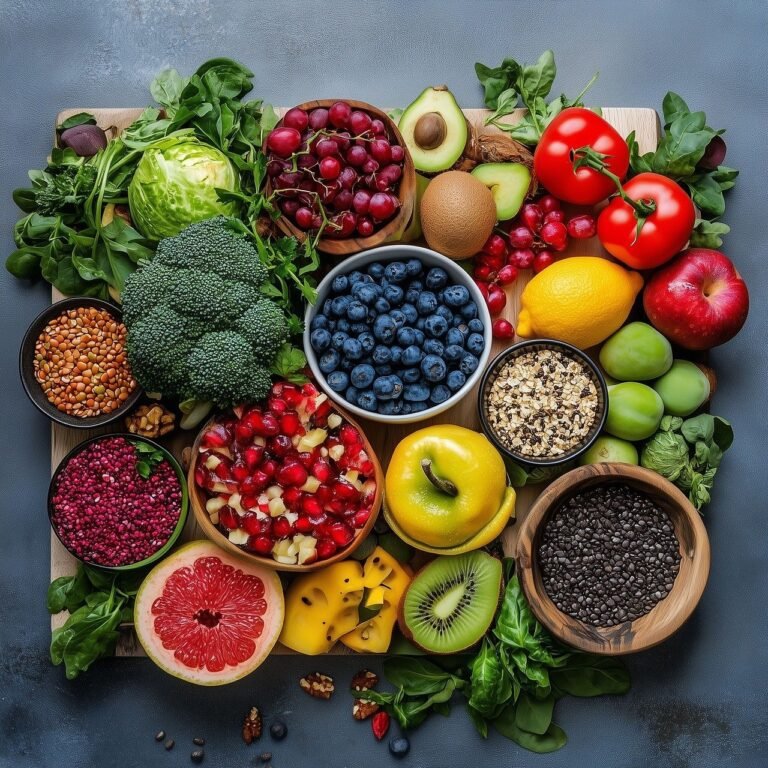
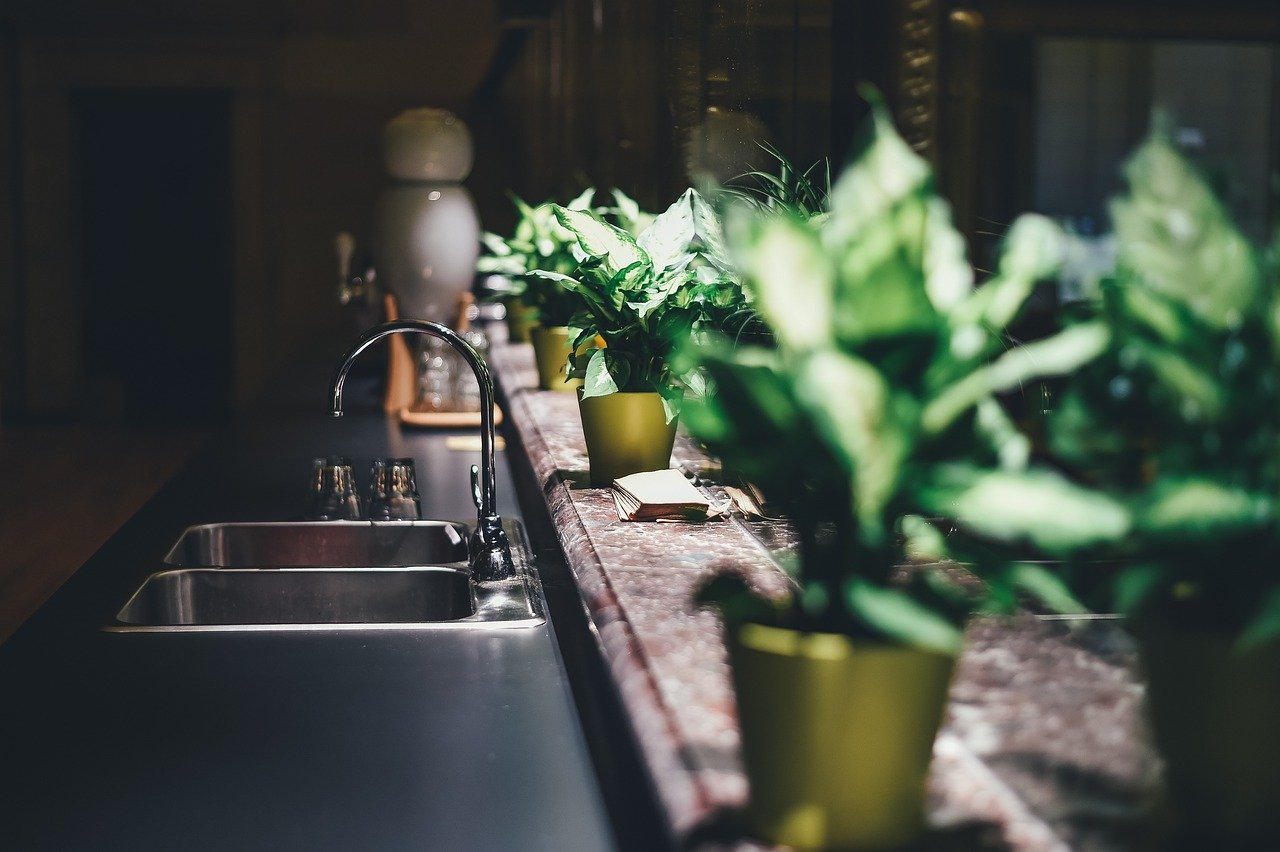
Gut healing kitchen essentials are, for me, less about any single magic ingredient and more about what’s within reach when I’m tired. After my IBS diagnosis in 2023, the days I ate badly were almost never the days I planned to — they were the days I came home drained, found nothing gentle in the kitchen, and ordered something that left me regretting it by night. So I reset my shelf. Not with expensive superfoods, just the handful of ordinary things that make cooking a calm, IBS-friendly meal the path of least resistance.
I want to be straight before the list, because most posts on this topic oversell it. None of these items heal your gut or cure IBS. What they do is make it easy to cook the food that suits a sensitive gut, consistently, even on a low-energy day. That consistency is the thing that actually helps. The shelf is the tool; the habit is the medicine.
Here are the 13 I keep stocked.
Table of Contents
13 Gut Healing Kitchen Essentials
1. Rock salt (sendha namak)
I use rock salt for most everyday cooking, in lemon water, and in chaas (buttermilk). It carries trace minerals and I find it gentler than heavily processed table salt. Nothing dramatic — I just prefer it, and it’s a cheap swap.
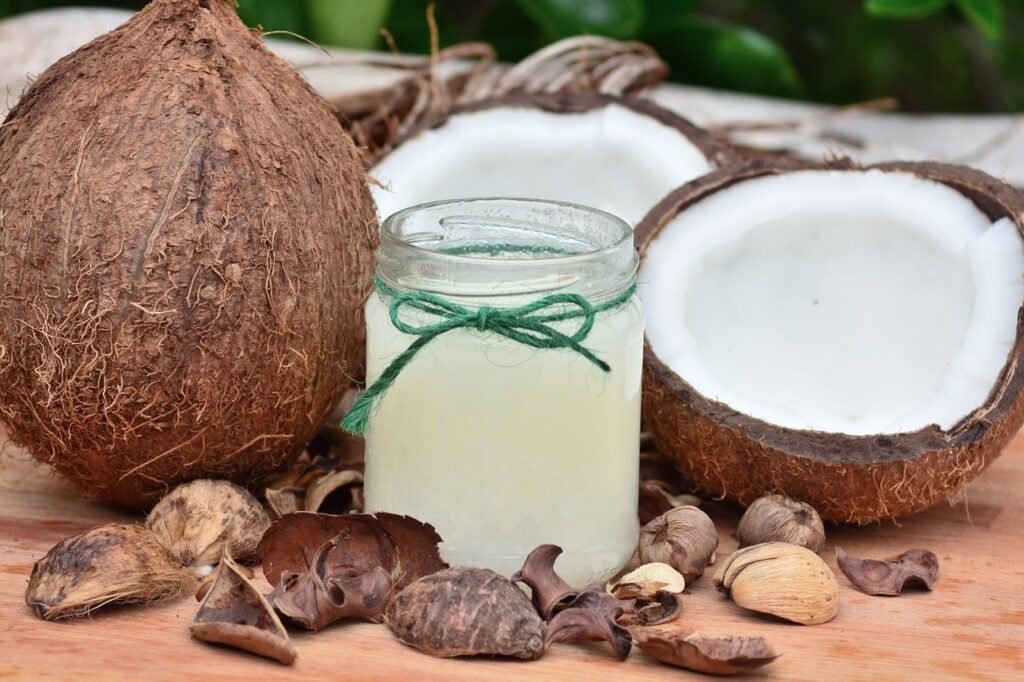
2. Cold-pressed mustard or coconut oil
Cold-pressed oils keep more of their character than refined ones, and I find them easier to cook with day to day. Cold Pressed Mustard oil ( cold pressed sarson ka tel) for Indian cooking, coconut oil for lighter sautéing. I’m not claiming refined oil is poison — just that cold-pressed is what I keep on the shelf.
3. Ajwain (carom seeds)
My number one for gas. A pinch goes into anything that tends to feel heavy, and on a bloated evening I take dry-roasted ajwain or carom seeds with a little rock salt in warm water. It’s the fastest kitchen relief I get.
4. Fennel seeds (saunf)
Cooling and calming, the classic after-meal chew of sauf or fennel seeds . I keep a small jar to chew after lunch, and I boil a little into a light tea when I feel acidic.
5. Cumin (jeera)
The everyday workhorse — in the tadka, over buttermilk, in my nightly dal. Jeera water in the morning is a simple ritual that settles heaviness for me. Gentle, cheap, always stocked.
6. A2 or bilona ghee
A2 Ghee is one of my genuine staples. A teaspoon over khichdi, roti or steamed veg makes the meal sit better for me, and it carries butyric acid, which is linked to colon health. I use it in cooking quantities, not by the spoonful — a little does the job.
7. Moringa powder
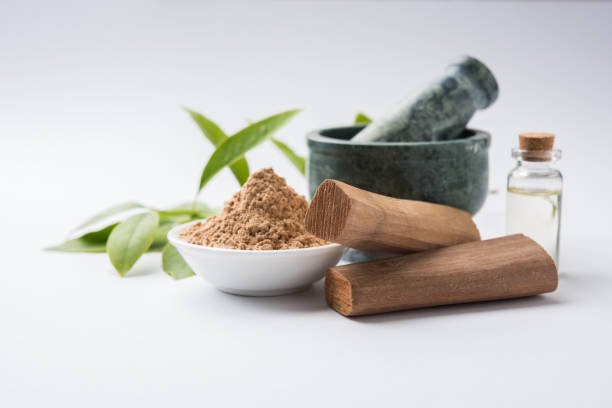
I use a little moringa in dal or roti dough for the fiber and iron. Honest note: it’s a nutrient-dense green powder, not a fix for anything specific. I’ve dropped the bigger claims here — treat it as a small nutritional add-on, and start with a tiny amount because too much can be laxative.
8. Homemade fermented curd and buttermilk
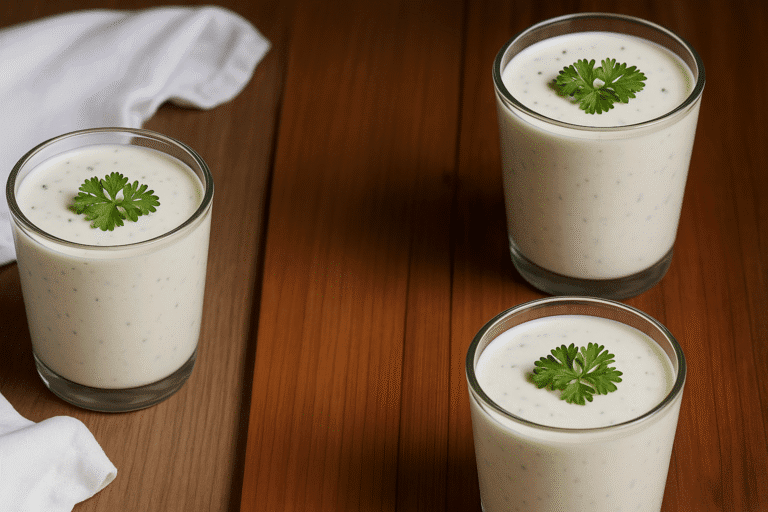
Live-culture curd and buttermilk are my everyday probiotics. I use homemade where I can, have buttermilk with lunch rather than at night (dairy after dark is a trigger for me), and if full dairy bothers me I switch to hung curd (strained yogurt) or my dairy-free probiotic coconut curd instead.
9. Steel or clay cookware
I cook mostly in stainless steel, clay and cast iron. Partly taste, partly that they’re sturdy and last. Cast iron adds a little dietary iron too. This is preference, not a health rule — good cookware just makes daily cooking pleasant.
Healthiest Types of Pans for Cooking
10. A small pressure cooker
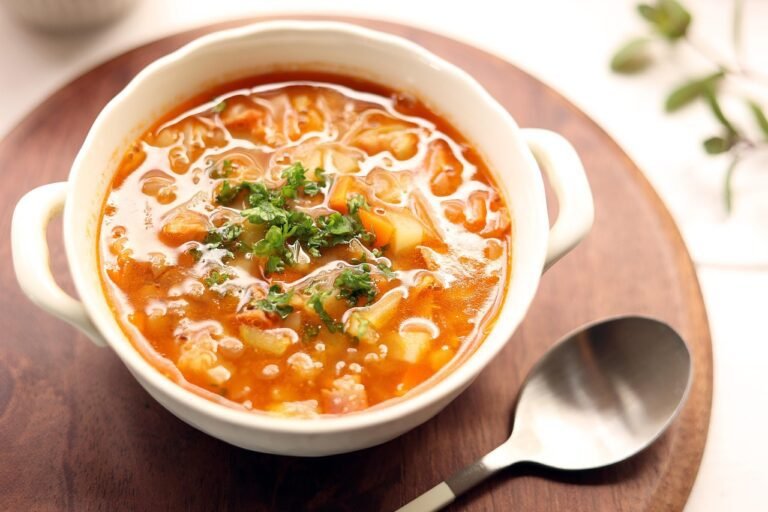
This is the unsung hero of the whole shelf. Dals, khichdi and steamed veg cook fast in a pressure cooker, which means on a tired day I’ll actually make the gentle meal instead of giving up. For IBS eating, “fast and easy” is what keeps you consistent.
11. A simple kadha or herbal tea blend
A homemade kadha with ajwain, tulsi, ginger and a little mulethi soothes my stomach after a heavy meal. I make my own so I know exactly what’s in it, rather than relying on packaged blends with mystery ingredients.
Ginger, Tulsi, Cardamom Turmeric, Cinnamon & Fennel Tea
12. Millets and moong
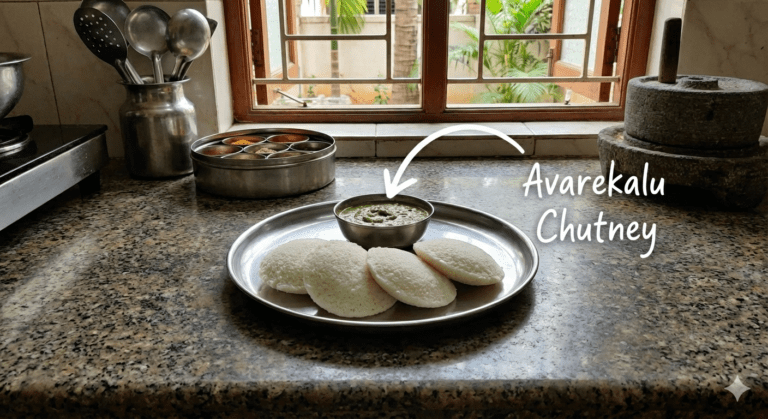
Little millet (kutki), foxtail millet (kangni) and moong dal are my gentle carb-and-protein base. They’re low-FODMAP in normal portions, easy to digest, and quick to cook. Keeping them stocked means I always have the bones of a safe meal.
13. Fresh ginger, mint and coriander
The fresh aromatics I never run out of. Ginger (adrak) for warming and nausea, mint (pudina) for cooling summer dishes, coriander (dhaniya) for everything. They do the flavour work that onion and garlic used to, without the trigger.
How do I organise a gut-friendly kitchen?
A little organisation keeps me consistent. I dedicate one shelf to the gentle dry goods so I’m not hunting for them. I keep a small “quick digestion” corner with ajwain, saunf and my kadha bits together. Fermented foods live in the fridge, away from vinegary shop pickles. And I keep the pressure cooker within easy reach, because the harder it is to get to, the less I use it.
None of this is strict. It just removes the friction between “I’m tired” and “I’ll cook something gentle.”
What’s my simple gut-friendly grocery list?
If you want the short version to take to the shop:
- Spices: ajwain, fennel (saunf), cumin (jeera), turmeric (haldi)
- Oils and fats: cold-pressed mustard oil, coconut oil, ghee
- Grains and dals: moong dal, millets, rice
- Probiotics: homemade curd, buttermilk, or coconut curd
- Fresh: ginger, mint, coriander
- Tools: small pressure cooker, steel or clay cookware
An honest word on “gut healing”
A shelf of good ingredients supports gentle eating, but it doesn’t repair a gut or cure a condition by itself. If you have IBS or ongoing symptoms, the real work is identifying your triggers and, where needed, working with a doctor. These essentials just make the daily eating part easier to stick to — which, honestly, is where most of the benefit comes from anyway.
If you want recipes that use this shelf, here are my onion-free egg curry for IBS and my probiotic coconut curd, both built entirely from the items above.
Blueberry Chia Pudding , Tiramisu Chia Pudding
Frequently Asked Questions
What kitchen essentials help with IBS and digestion?
Everyday staples like ajwain, fennel (saunf), cumin (jeera), cold-pressed oils, ghee, moong dal and millets are what I keep stocked. A small pressure cooker helps too, because quick cooking makes gentle meals easy on a tired day.
Do these essentials actually heal the gut?
No, and I would be honest about that. They make gut-friendly cooking easy and consistent, which is what helps most people manage symptoms. They do not cure IBS or repair the gut on their own, so treat them as support, not treatment.
How do I use these essentials day to day?
Season dals and sabzi with jeera and hing, chew saunf after meals, take ajwain water when bloated, and lean on moong and millets as your gentle base. A teaspoon of ghee over khichdi or rice rounds most meals off.
Do I need special equipment for gut-friendly cooking?
Not much. A small pressure cooker, some steel or clay cookware, and glass jars for storage cover almost everything. The pressure cooker is the one I would prioritise, because fast cooking keeps you consistent.
What should I keep on a simple IBS grocery list?
Ajwain, fennel, cumin and turmeric; cold-pressed mustard and coconut oil; ghee; moong dal, millets and rice; homemade curd or buttermilk; and fresh ginger, mint and coriander. That covers most gentle everyday meals.
🌿 Love gut-friendly recipes? Add Caloriematterss as your Google Preferred Source so my low-FODMAP, high-protein recipes show up more often for you. Set Caloriematterss as a preferred source →