10 High Protein Meals That Support Weight Loss and Digestive Health
📌 Key Points
What it is: Ten high protein meals — from masoor dal soup and protein oats to grilled salmon and a curd smoothie — chosen to be filling and gentle on digestion.
Why they work: They pair 18–28g of protein per serving with fiber, probiotics and gut-calming spices, so you stay full without the bloating that plain high-protein plans can cause.
Honest IBS note: A few of these include higher-FODMAP items (chickpeas, avocado, broccoli, garlic). They suit my gut in moderate portions, but swap or reduce them if they trigger you. Everyone differs.
How to use: pick 2–3 meals a week, keep portions moderate, and cook rather than eating raw if you’re sensitive.
High-protein meals used to be a problem for me, not a solution. Every high-protein plan I tried — whey shakes, plain grilled chicken, low-carb everything — left me bloated and heavy. What I actually needed wasn’t just protein for fat loss; it was protein that was gentle on digestion, fiber-rich, and genuinely satisfying. These ten meals are the ones that finally struck that balance.
Most trending high-protein meals focus only on macros, not on how your gut feels afterwards. But if you’re trying to lose weight while managing bloating or IBS, your meals need to support digestion too. So here are ten gentle, nutrient-packed high-protein meals — from lentil soup to protein oats to light seafood dinners — that keep you full without the discomfort. Pick two or three a week and build from there.
Table of Contents
Why do high-protein meals need to be gut-friendly too?
Protein keeps you full and supports muscle, but if a meal is heavy, greasy or badly combined, it can leave a sensitive gut bloated and uncomfortable — so the goal is protein plus digestibility. Macros alone aren’t the whole picture.
When I chased protein without thinking about my gut, I felt worse, not better. What changed things was pairing protein with fiber, probiotics and gentle spices, and cooking things rather than eating them raw. That combination keeps you satisfied and supports weight loss while being kind to digestion.
I’ll be honest about scope: these meals support a healthy routine, they don’t “heal” your gut or transform your skin on their own. What they do — keep you full, steady your energy, and sit gently — is genuinely useful when you’re eating for both weight and comfort.
The 10 high-protein meals
Here are the ten, kept exactly as I make them, with their protein estimates.
1. Grilled salmon with steamed veggies and olive tapenade
~25g protein. Grill salmon with lemon, olive oil, black pepper and herbs; serve with steamed broccoli and carrots and a spoon of olive tapenade. Rich in omega-3s, light and satisfying — a lovely dinner.
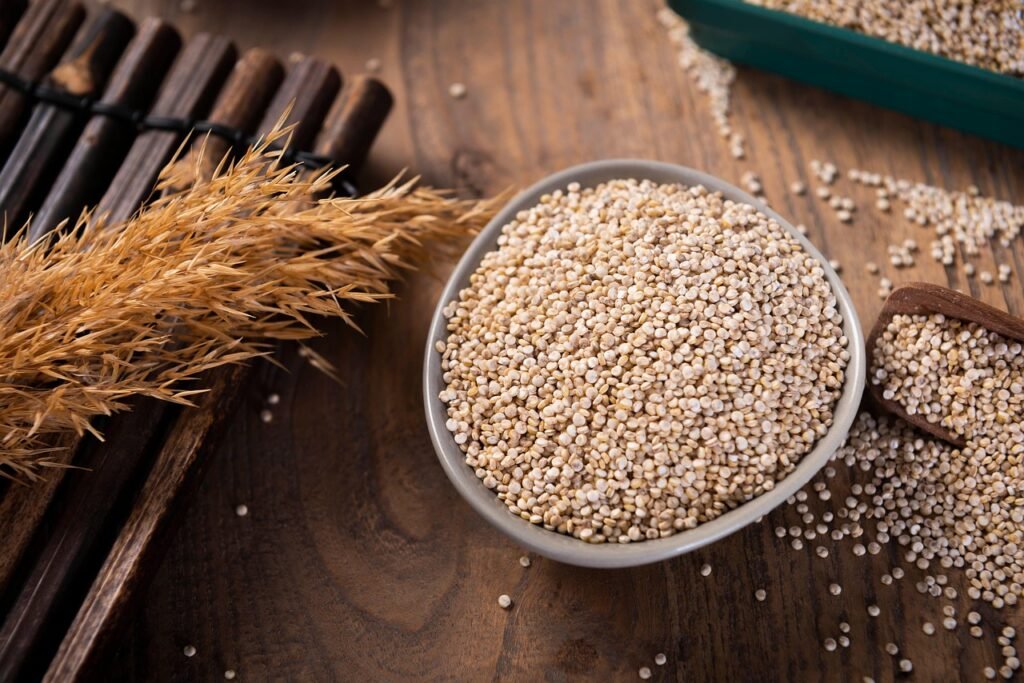
2. Quinoa bowl with chickpeas, avocado and pumpkin seeds
~22g protein. Mix cooked quinoa, roasted chickpeas, avocado, steamed cabbage and roasted pumpkin seeds with lemon and cumin. Fiber-rich and plant-powered. (Chickpeas and avocado are higher-FODMAP — keep portions small if sensitive.)
3. Greek yogurt parfait with flax, berries and almond butter
~20g protein. Layer unsweetened Greek yogurt with blueberries, 1 tsp flaxseed and 1 tsp almond butter; add a little honey and cinnamon. Probiotics plus omega-3s — easy for mornings or post-workout.
4. Chicken stir-fry with zucchini, bell peppers and ginger
~28g protein. Stir-fry chicken breast in olive oil with ginger, cumin, bell peppers and zucchini, using tamari or gluten-free soy sauce. Lean protein plus fiber, and ginger supports digestion.
5. Coconut curry tofu with steamed broccoli
~23g protein. Sauté tofu with turmeric, ginger and curry powder (add garlic only if you tolerate it), simmer in coconut milk, and serve with broccoli or rice. Clean plant protein, dairy-free.
6. Egg and spinach whole-grain wrap
~18g protein. Scramble 2 eggs with spinach and cumin, fold into a millet or jowar wrap, and top with mint chutney or hummus. Iron-rich and energising — a great breakfast.
7. Prawn and avocado lettuce wraps
~20g protein. Toss grilled prawns with avocado, coriander, tomato and lemon, and wrap in lettuce leaves. Light, cooling and low-carb — ideal for warm evenings. (Avocado is higher-FODMAP in large amounts — use a few slices.)
8. High-protein oats with banana and seeds
~18g protein. Cook oats in oat or almond milk; stir in flax, chia and sunflower seeds, banana and cinnamon, with a spoon of nut butter. Warm, soothing and blood-sugar-steadying — my comfort go-to.
9. Masoor dal soup with carrots and turmeric
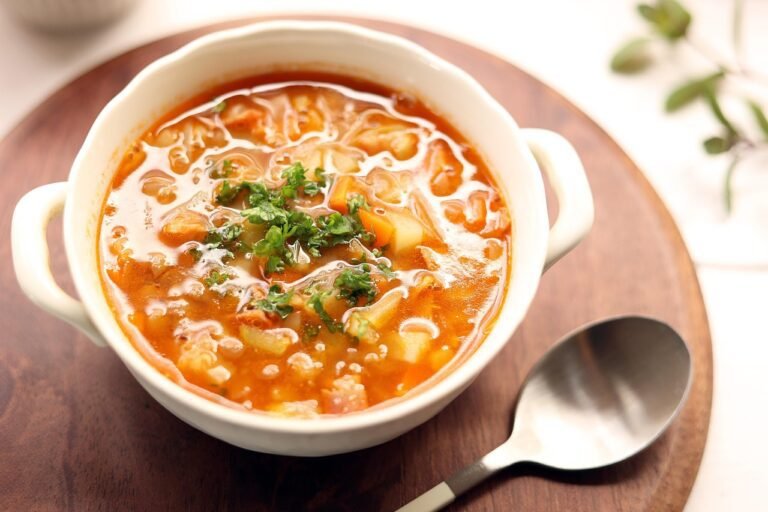
~21g protein. Cook red lentils (masoor dal) with turmeric, cumin, ginger, carrots and celery, then blend lightly. Masoor is the lightest Indian lentil — one of the most underrated gut-friendly high-protein meals.
10. Curd-based protein smoothie with seeds and banana
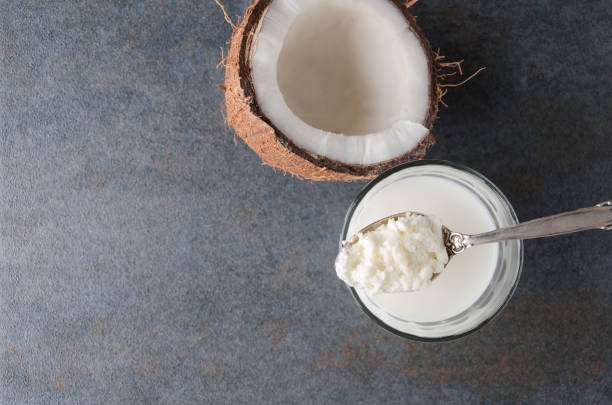
~20g protein. Blend ½ cup curd, 1 banana, 1 tbsp oats and 1 tsp each of flax, melon and sunflower seed powder with water or ice. Fermented and cooling — great for bloating or hot days.
How do you make high-protein meals gut-friendly?
Soak lentils and beans, add ginger, cumin and fennel, go easy on raw cruciferous veg, include a probiotic like curd, and chew slowly. These small habits are what stop high-protein eating from causing bloating.
A few that help me most: soaking lentils and beans reduces gas, gentle spices like cumin and fennel calm the gut, and limiting raw broccoli or cabbage avoids the heaviness they can bring. A little curd or another probiotic supports your gut bacteria, and eating slowly rather than gulping genuinely makes a difference.
Pick two or three of these meals a week, keep portions moderate, and pay attention to how your body responds — that’s how you find the ones that suit your gut best.
No Sugar No Cream Ice Cream , Gluten Free High Protein Oats Chilla . 7 Best Dals for IBS
Frequently Asked Questions
What high-protein meals support weight loss and digestion?
Meals that pair protein with fiber and gut-friendly ingredients work best — grilled chicken or tofu bowls, bean-based salads, curd or Greek yogurt parfaits, and quinoa or lentil bowls with vegetables. These keep you full while being gentle on digestion, which supports weight loss without bloating.
How much protein should I eat per meal?
A common guideline is around 25 to 35g of protein per meal, spread across three to five meals a day, to support fullness, muscle and steady digestion. Individual needs vary with body size and activity, so treat this as a starting range rather than a fixed rule.
Which foods give both protein and good digestion?
Curd or kefir for probiotics, lentils like moong and masoor, chia and flax for fiber, plus eggs and lean meats all deliver quality protein while supporting the gut. Combining these with gentle spices like cumin and ginger makes high-protein eating far easier on a sensitive stomach.
Are these high-protein meals suitable for IBS?
Many are, but a few include higher-FODMAP ingredients like chickpeas, avocado, broccoli and garlic. These suit my gut in moderate portions, but they don’t suit everyone. Swap or reduce them if they trigger you, keep servings sensible, and lean on the gentler options like masoor dal soup and protein oats.
Can I get enough protein on a vegetarian diet?
Yes — lentils, tofu, curd, Greek yogurt, quinoa, eggs and seeds all provide solid protein. Bowls like the quinoa-chickpea one, the masoor dal soup, protein oats and the curd smoothie show how to reach 18–22g a serving without meat. Combining pulses with grains gives a fuller amino acid profile.
🌿 Love gut-friendly recipes? Add Caloriematterss as your Google Preferred Source so my low-FODMAP, high-protein recipes show up more often for you. Set Caloriematterss as a preferred source →