Seeds for Women’s Health: 7 Nutritious Seeds Worth Adding to Your Diet (Honest Take on Seed Cycling)
📝 Quick Guide
What it is: Seven seeds for hormonal balance — flax, pumpkin, sunflower, sesame, chia, sabja and hemp — that are genuinely nutritious additions to a woman’s diet, plus how I actually use them in Indian food.
Why it works: Seeds bring fiber, healthy fats, and minerals like magnesium and zinc. That’s a real, food-level benefit for energy, gut health and overall nutrition — no cycle-tracking required.
Honest note on “hormonal balance”: Seed cycling is popular, but leading sources like Mayo Clinic say it’s probably harmless yet shouldn’t be relied on to balance hormones — the evidence is limited. So I’ve framed this around nutrition, not as a fix for PCOS, periods or fertility. For those, see your doctor. I’m a food blogger, not a clinician.
Seeds for women’s health are having a real moment, and I get why — they’re cheap, they’re in every Indian kitchen already, and they genuinely are good for you. But I want to do this post honestly, because the popular framing (“eat these seeds to balance your hormones and fix your periods”) promises more than the evidence supports, and the women reaching for this information deserve the straight version.
So here’s my approach. I’ll walk you through seven seeds that are genuinely worth adding to your diet and why, from a nutrition point of view — fiber, healthy fats, minerals, all real. And then I’ll give you an honest, sourced take on seed cycling, the trend of eating specific seeds at different points in your cycle, so you can decide for yourself with clear eyes.
I’m a food blogger who lives with IBS, not a doctor. Nothing here is medical advice, and for anything to do with PCOS, irregular periods, thyroid or fertility, your doctor is the right person, not a blog.
One quick correction before we start, because it’s in a lot of posts (including the older version of this one): if you do try seed cycling, the guidance is to use seeds raw and freshly ground, not roasted. The delicate fats in seeds oxidise with heat, so roasting can reduce the very nutrients you’re after. Light toasting for flavour on seeds you’re eating as a snack is fine — just don’t roast the ones you’re grinding for nutrition.
Table of Contents
Why are seeds good for women’s health?
The honest, nutrition-level answer, and it’s a good one: seeds are nutrient-dense little foods. They bring fiber, which supports gut health and steady blood sugar; healthy fats, including plant omega-3s in flax and chia; and minerals like magnesium, zinc, iron and calcium that matter for energy, bones and general wellbeing. For women specifically, that combination of iron, magnesium and fiber is genuinely useful day to day.
That’s the real benefit, and it doesn’t require any cycle-tracking or special timing. Just eating a variety of seads regularly is a solid, evidence-friendly thing to do.
Lists of 7 Seeds For Hormonal Balance
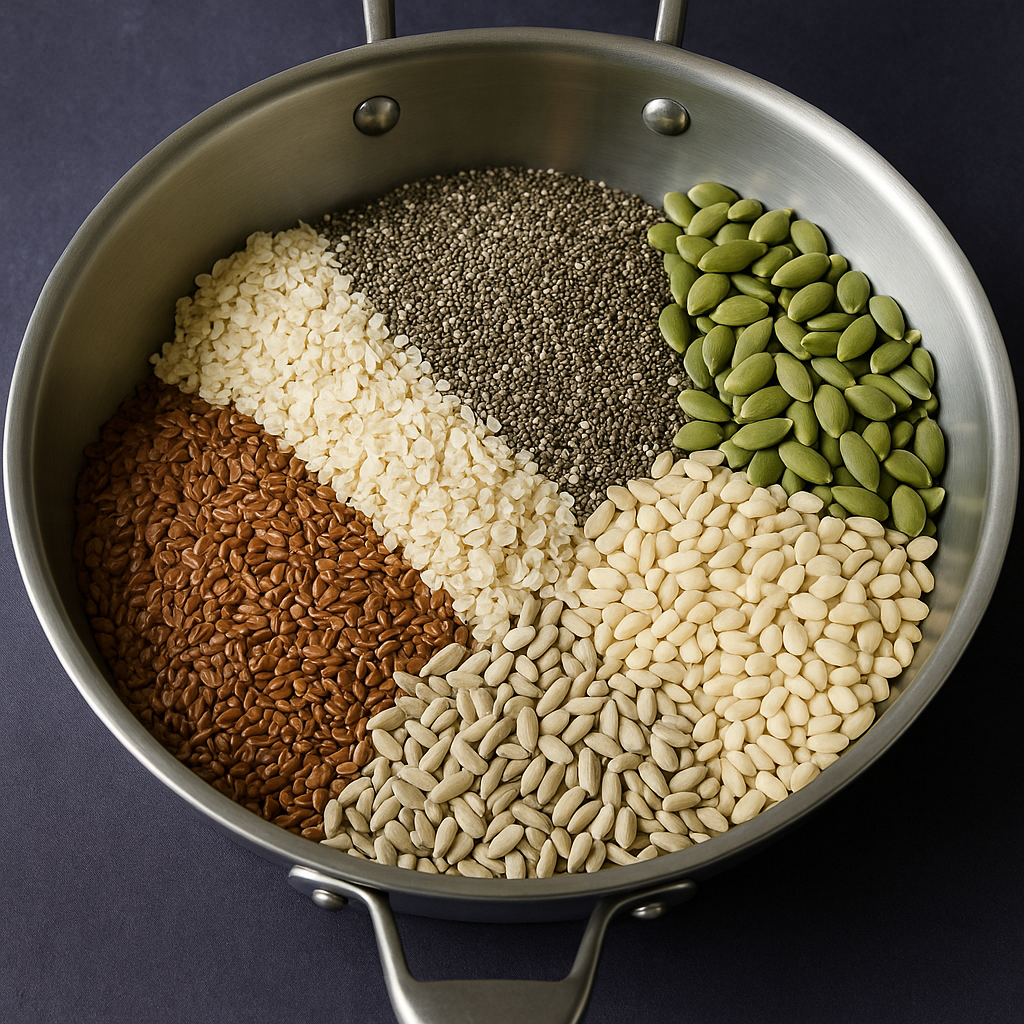
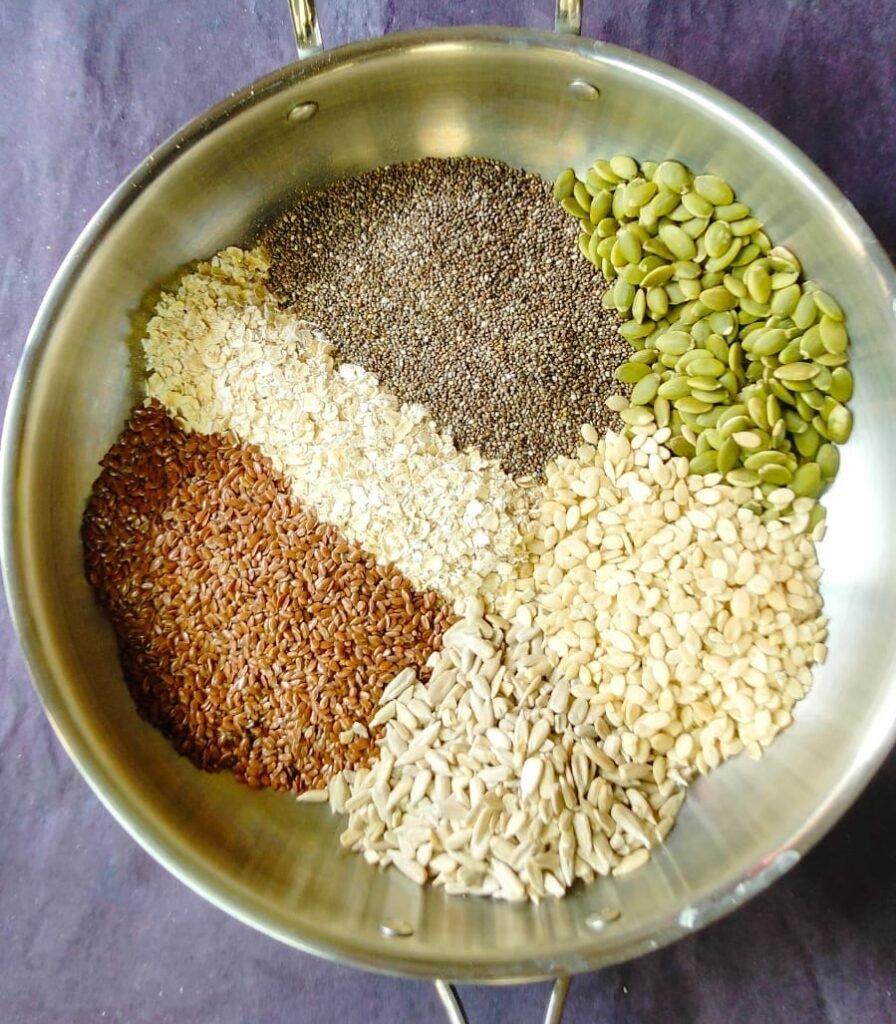
1. Flaxseeds (alsi)
My most-used seed. Flax brings plant omega-3s (ALA) and lignans, plus a lot of fiber — which, as someone with IBS, I appreciate for keeping things regular. Grind them fresh, because whole flaxseeds mostly pass through undigested. I stir a teaspoon (5 ml) of ground flax into curd, smoothies or roti dough.
2. Pumpkin seeds (kaddu ke beej)
Rich in magnesium, zinc and iron, and a nice source of plant protein. Magnesium and zinc are minerals a lot of women run low on, so pumpkin seeds are an easy top-up. I sprinkle a tablespoon (15 ml) on salads, poha or a chaat.
3. Sunflower seeds (surajmukhi ke beej)
A good source of vitamin E and selenium, both antioxidants, plus healthy fats. Buy unsalted sunflower seeds and shelled. I toss a small handful into stir-fries and salads for crunch.
4. Sesame seeds (til)
An Indian staple and a genuinely strong source of calcium — useful for bone health, especially as women age. Til or white sesame seeds are easy to work in: in chutneys, sprinkled on rotis, or as homemade tahini. A tablespoon (15 ml) goes a long way.
5. Chia seeds
High in fiber and plant omega-3s, and they soak up liquid to form a gel, which makes them filling. Soak a teaspoon of chia seeds (5 ml) in water or in a little curd overnight for an easy pudding. Honest gut note: chia’s fiber is great for many people, but a big dose on a sensitive gut can cause bloating, so start small if you have IBS like me.
6. Sabja (basil seeds)
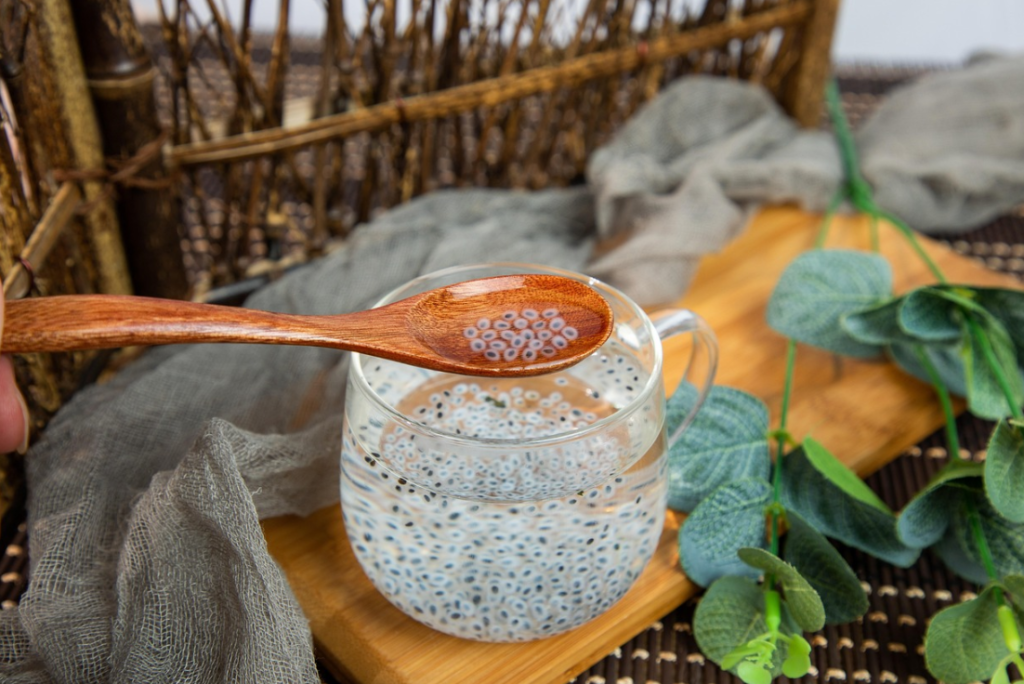
The cooling summer cousin of chia, common across India. Soaked sabja or Basil Seeds add gentle fiber and a lovely texture to drinks like nimbu paani or falooda. Light, refreshing, and easy on my stomach in the heat.
7. Hemp seeds (bhang ke beej)
A complete plant protein with a good fat profile and magnesium. They have a mild nutty taste and don’t need grinding. I sprinkle a teaspoon of hemp Seeds (5 ml) over salads or into a smoothie when I want a little extra protein.
What is seed cycling, and does it actually balance hormones?
Here’s the part I want to be careful and honest about. Seed cycling is the practice of eating flax and pumpkin seeds in the first half of your cycle (the follicular phase) and sesame and sunflower seeds in the second half (the luteal phase), on the theory that the seeds’ nutrients support the natural rise and fall of estrogen and progesterone.
The idea is appealing and the seeds involved are genuinely nutritious. But here’s what the authoritative sources actually say. Mayo Clinic’s view is that for healthy adults, trying seed cycling is probably harmless but shouldn’t be counted on to be effective. Research reviews reach a similar place: the direct scientific evidence for seed cycling balancing hormones or treating PCOS is limited, and more study is needed. Many women report feeling better on it, which is real — but that may come from simply eating more nutritious whole foods, managing stress and sleeping better, all of which independently affect how you feel.
So my honest position: seed cycling is a harmless, nutritious habit if you enjoy the routine, and the seeds are good for you regardless. Just don’t rely on it as a treatment for a hormonal condition. If you have PCOS, irregular or absent periods, or fertility concerns, those are medical issues that deserve a proper diagnosis and care — food is a supporting player, not the cure.
How do I eat seeds without overthinking it?
I don’t cycle mine by phase, honestly. I just keep a small jar of mixed ground seeds and use them across the week:
- A teaspoon of ground flax in my morning curd or smoothie
- Pumpkin and sunflower seeds on salads, poha and chaat
- Sesame in chutneys and on rotis
- Soaked chia or sabja in drinks and puddings
- A sprinkle of hemp when I want extra protein
Variety over timing is my rule. A mix of seeds through the week gives you the full spread of nutrients without the admin of tracking a cycle.
A note for sensitive guts
Since I write about IBS, one caution: seeds are high in fiber and fat, and a sudden large amount can cause bloating or discomfort. Start with small quantities, grind or soak the harder ones (flax, chia) for easier digestion, and build up slowly. Gentle and consistent beats a big enthusiastic dose that leaves you uncomfortable.
Final thoughts
Seeds are one of the simplest, cheapest upgrades you can make to your everyday eating, and for women in particular the iron, magnesium, calcium and fiber they bring are genuinely worthwhile. Enjoy them for what they reliably are — good, nourishing food — rather than for hormone claims the evidence doesn’t fully back. Add a variety to your week, keep the portions gentle, and let them be one steady, nutritious habit among many.
If you’d like more food-first ideas, here are my Indian spices for digestion and my gut-friendly kitchen essentials, both of which these seeds fit right into.
Oats and Seed Protein Powder , How to Stop Late-Night Cravings , Low-FODMAP Black Sesame Spread
Mayo Clinic Article about Seed Cycle
Frequently Asked Questions
Which seeds are best for women’s health?
Flax, pumpkin, sunflower, sesame, chia, sabja and hemp are all excellent. They bring fiber, healthy fats and minerals like magnesium, zinc, iron and calcium, which are genuinely useful for energy, bones and gut health. Variety across the week beats relying on any single one.
Does seed cycling really balance hormones?
The evidence is limited. Leading sources like Mayo Clinic say seed cycling is probably harmless but should not be counted on to balance hormones, and research reviews agree more study is needed. The seeds are nutritious regardless, but do not rely on cycling as a treatment for a hormonal condition.
Should I use raw or roasted seeds?
For nutrition, raw and freshly ground is best, especially for flax and chia, because roasting can damage the delicate fats. Light toasting for flavour on snacking seeds is fine, but do not roast the ones you are grinding for their nutrients.
Can seeds help with PCOS or irregular periods?
Seeds are nutritious and can be part of a healthy diet, but they are not a proven treatment for PCOS or irregular periods. Those are medical conditions that need proper diagnosis and care, so see your doctor rather than relying on seeds alone.
Are seeds okay if I have IBS or a sensitive gut?
In small amounts, usually yes, and the fiber can help. But a sudden large dose can cause bloating, so start small, grind or soak the harder seeds like flax and chia, and build up slowly to see what suits you.
🌿 Love gut-friendly recipes? Add Caloriematterss as your Google Preferred Source so my low-FODMAP, high-protein recipes show up more often for you. Set Caloriematterss as a preferred source →