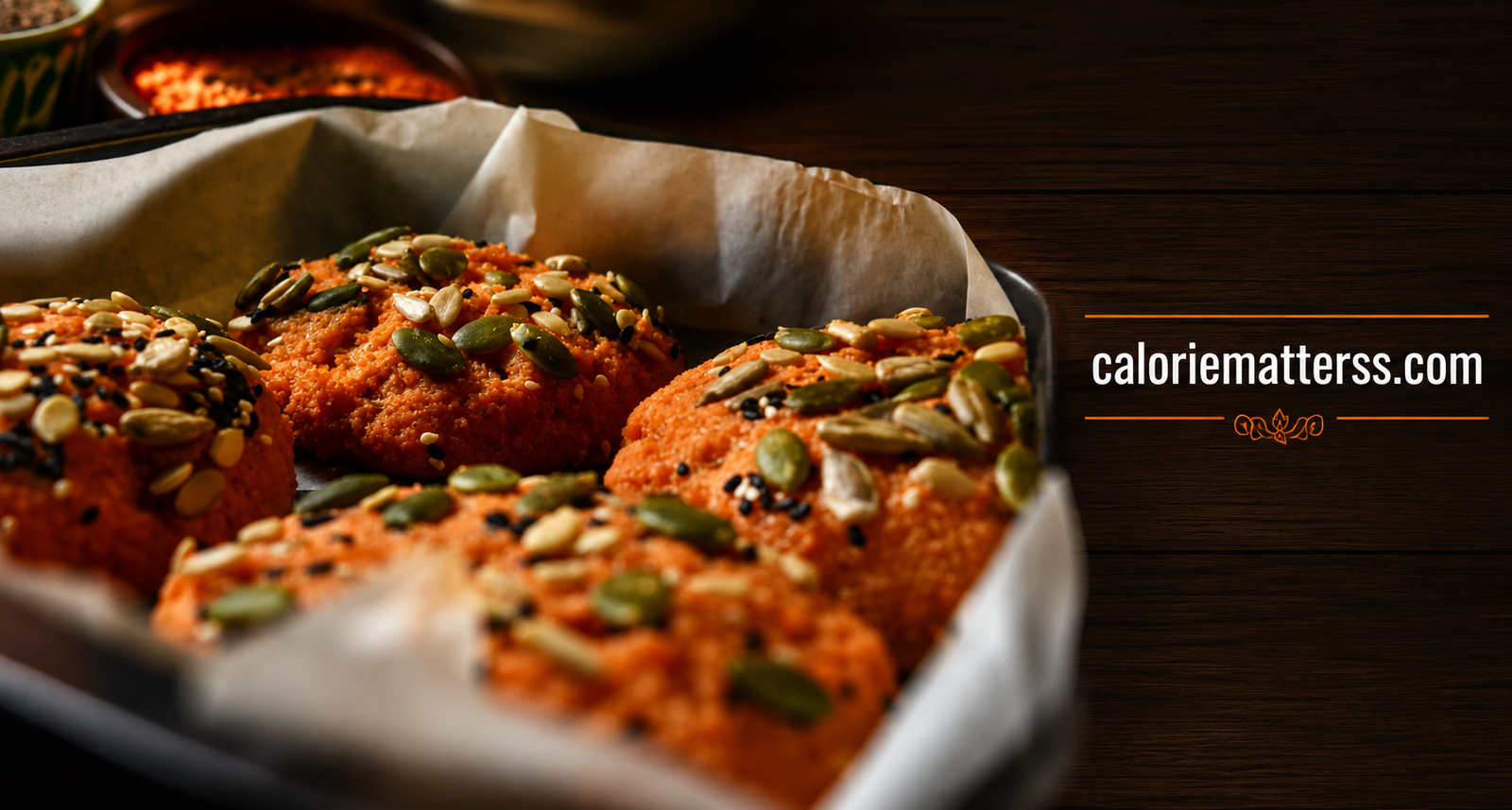
High Protein Lentil Buns – No Yeast, No Sugar (Gluten-Free, IBS-Friendly)
📌Quick Guide
What it is: Soft buns made from soaked masoor dal (red lentils) and isabgol (psyllium husk) — no yeast, no flour, no refined sugar
Why it works: No yeast means no fermentation bloat — high protein from lentils, no gluten
IBS-friendly: Yes — gluten-free, no fermentation, gentle on the gut
Makes: 6 small buns | Best for: Sandwiches, soup, curry, breakfast
Why I Needed a Bread Alternative That Wouldn’t Trigger My IBS
These high protein lentil buns are my only solution if I want to eat bread . Regular bread is one of the most common triggers for people with IBS — the gluten, the yeast, and the fermentation process can all contribute to bloating and discomfort. As someone managing IBS, this meant bread was mostly off the table, and most gluten-free alternatives I tried were either expensive, full of unfamiliar starches, or so dense they fell apart the moment I spread anything on them.
I wanted something I could actually use as a bun — for a quick sandwich, alongside soup, or torn into curry — without the bloating that regular bread causes for me.
These high protein lentil buns came out of that search. They are made from soaked masoor dal (red lentils) blended with isabgol (psyllium husk), no flour, no yeast, no sugar, and no long proving time. The lentils give them a soft, slightly dense texture closer to a savoury muffin than airy bread — and that texture is exactly what makes them work so well as a base for other foods, without the gluten or fermentation issues that make regular bread difficult for IBS.
I keep a batch in the freezer most weeks. They have become one of the most useful things I make for quick meals.
Table of Contents

What Makes These High Protein Lentil buns Good for IBS and Gut Health?
Why Are Yeast-Free Buns Better for IBS?
Yeast-leavened bread relies on fermentation, and for some people with IBS that fermentation process can contribute to bloating even after the bread is baked — residual FODMAPs from the fermentation can remain. These buns use baking soda and isabgol (psyllium husk) for structure instead of yeast, which removes that fermentation step entirely. For anyone who finds regular bread bloating, this is often the difference.
Does Psyllium Husk (Isabgol) Help With Digestion?
Yes. Isabgol is a soluble fibre that absorbs water and forms a gel-like texture — this is what gives these buns their structure without gluten. For gut health, soluble fibre like this supports regular bowel movements gently, without the harsh effect of stimulant laxatives. It works well for both IBS-C and IBS-D because soluble fibre can help normalise stool consistency in either direction.
Are These Buns Gluten-Free and Yeast-Free at the Same Time?
Yes — both. There is no wheat flour and no yeast anywhere in this recipe. For anyone managing IBS alongside gluten sensitivity, this removes two common triggers in one go, which is rare for something that still functions like a bun or roll.
Why Use Masoor Dal (Red Lentils) Instead of Flour?
Masoor dal (red lentils) is one of the lowest FODMAP lentils available, especially once soaked. Soaking for an hour before blending breaks down some of the fermentable carbohydrates and makes the lentils easier to digest. Using lentils instead of flour also means these buns are naturally high in protein — far more than a standard bread roll — which makes them more filling and supports steadier blood sugar through the morning or after a meal.
How Do You Eat These Lentil Buns?
These high protein lentil buns work well in several ways depending on the meal. With avocado and chutney — a clean, protein-packed snack that needs nothing else. With hummus — a vegan option that adds even more fiber alongside the lentil protein. With scrambled eggs — a good post-exercise breakfast combination.
Alongside soup or curry — torn apart and used the way you would use a dinner roll, soaking up the liquid. As a sandwich base — split and filled with lettuce, paneer, or tofu for a light lunch. The texture is sturdy enough to hold fillings without falling apart, which is something a lot of gluten-free breads struggle with.
How Do You Store and Meal Prep High Protein lentil buns ?
At room temperature these buns keep for 2 days in an airtight container. In the fridge they keep for up to 5 days, which makes them a genuinely useful meal prep item — make a batch on the weekend and you have a bread alternative ready for the week.
For longer storage, wrap each bun individually and freeze for up to 2 months. To reheat, toast directly from frozen or microwave for about 30 seconds — they come back to a soft texture quickly without needing to thaw first.
I usually make a double batch and freeze half. Having these on hand means a sandwich or a side for soup is always just a toast away.
How to make High Protein Lentil Bun
🔸 Step 1: Soak the Lentils
Soak 1 cup red lentils in warm water for 1 hour
This softens them and helps with digestion
🔸 Step 2: Blend the Batter
Drain water completely
Blend soaked lentils with:
1 tbsp psyllium husk
½ tsp baking
Powder1 tsp apple cider vinegar
Salt to taste
Optional: 1 tbsp olive oil for extra softness
🔸 Step 3: Rest the Batter
Let the batter rest for 10–15 minutes
Psyllium will thicken it and make it easier to shape
🔸 Step 4: Shape & Coat the Buns
Preheat microwave oven to 180°C (350°F)
Line a tray with parchment paper
Scoop batter and shape into 6 small buns
Roll tops in a mix of pumpkin, melon, sunflower, sesame seeds
🔸 Step 5: Bake
Bake for 15–20 minutes until golden brown and firm
Let cool before serving

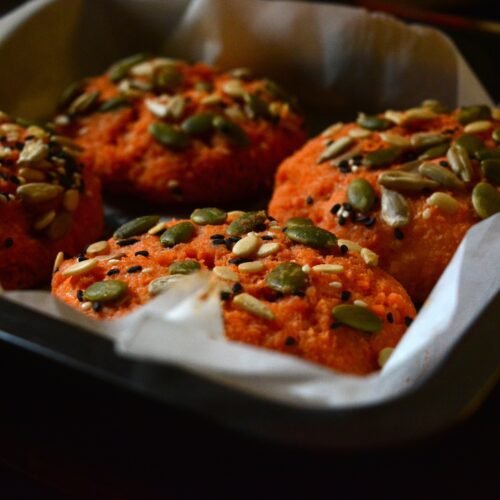
High Protein Lentil Buns – Gluten-Free, No Yeast, IBS Friendly
Equipment
- 1 Mixer Grinder
- 1 Baking Tray
- 2 Mixing bowl
- 1 Spatula
Ingredients
- 150 GM Masoor or Red Lentil split or whole
- ½ cup psyllium husk isabgol
- 2 tbsp Apple cider Vinegar
- 1 tsp Baking Powder
- Salt as Per test
- 1 Tbsp Olive Oil
- 1 tsp White Sesame Seeds
- 1 Tsp Black Sesame Seeds
- 1 tsp Pumpkin Seeds
- 1 Tsp Melon Seeds (Charmagaj)
Instructions
- Soak dal overnight (8 hours) in plenty of water.
- Drain and blend with minimal water into a thick batter.
- Add cumin, fennel, salt, lemon juice, and oil. Mix well.
- Fold in psyllium husk. Let it sit for 10 minutes to thicken.
- Shape into bun-like rounds using wet hands.
- Bake at 180°C for 30–35 minutes or until firm and golden.
- Cool completely before slicing. Store in fridge or freeze.
Video
Notes
- Soak Time Matters: Always soak the dal overnight (8–10 hours). It reduces bloating, improves protein absorption, and makes the buns IBS-friendly.
- Batter Consistency: The batter should be thick but spoonable—not runny. Add psyllium husk slowly and let it sit for 10 mins to activate.
- Spice It Up: You can customize the spice blend—add ajwain for better digestion, chili flakes for heat, or coriander powder for aroma.
- Freezer Friendly: These high protein lentil buns freeze well. Just wrap them in foil or airtight containers and toast straight from the freezer.
- Serving Tip: For extra flavor, cut in half and lightly pan-sear in ghee or olive oil. Serve with hummus, chutney, or homemade spreads.
- Avoid Overbaking: These buns stay soft and moist when baked just until the edges are firm and golden. Overbaking may dry them out.
Why You’ll Love These High Protein Lentil Buns
✅ 12–15g protein per bun
✅ Easy on the gut (IBS tested!)
✅ No refined flour or gluten
✅ Eggless, dairy-free, yeast-free
✅ Can be frozen or toasted
✅ Pairs with chutney, sabzi, or nut butter
Ingredient Benefits of this High Protein Lentil Buns
These high protein lentil buns are built with ingredients that nourish you deeply:
Green & Black Moong Dal: Rich in plant protein, iron, and fiber. Easier to digest than kidney beans or chana.
Psyllium Husk (Isabgol): Natural binder + prebiotic fiber = smoother digestion.
Cumin + Fennel: Boost bile flow and reduce gas.
Olive or Coconut Oil: Healthy fats that keep the buns moist
Lemon Juice: Adds lift + helps with absorption of iron

Nutritional Info (Per Bun – Approximate)
| Nutrient | Amount |
|---|---|
| Calories | ~90 kcal |
| Protein | ~6g |
| Carbs | ~10g |
| Fats | ~3g |
| Fiber | ~4g |
High Protein Dal Recipe Blood Sugar Salad Bowl (High-Fiber, High-Protein Bowl)
Chicken With Bengal Gram –32g Protein, One Bowl
Frequently Asked Questions
Are high protein lentil buns good for IBS?
Yes. These buns are made with soaked masoor dal (red lentils), one of the more IBS-friendly lentils, along with isabgol (psyllium husk) for structure. They contain no yeast, so there’s no fermentation process, and no wheat flour, making them naturally gluten-free. They are a gentler alternative to traditional bread while still working well as sandwich buns.
Can I use a different lentil instead of masoor dal?
Yes, although masoor dal gives the best results because it softens quickly and blends into a smooth batter. Yellow split moong dal is another good option and produces a slightly lighter texture. Whole urad or chana dal are not recommended because they require longer soaking and create a denser batter.
What does psyllium husk (isabgol) do in this recipe?
Psyllium husk absorbs liquid and forms a gel that helps bind the batter without gluten. This creates the soft, slightly chewy texture of the buns while also adding soluble fibre. Letting the batter rest for 10 to 15 minutes allows the psyllium to fully hydrate and gives the dough the right consistency for shaping.
How long do these lentil buns stay fresh?
Store them in an airtight container for up to 2 days at room temperature or up to 5 days in the refrigerator. For longer storage, freeze the buns individually for up to 2 months and reheat them directly from frozen in a toaster or microwave when needed.
Can I add seeds or toppings to these buns?
Absolutely. Coating the buns with pumpkin seeds, melon seeds, white or black sesame seeds, or sunflower seeds adds crunch, healthy fats, and extra nutrients without changing the recipe’s IBS-friendly nature. The seeds toast beautifully during baking and add extra flavour and texture.
Like what you’re reading? Set Caloriematterss as your preferred source on Google so you never miss a new IBS-friendly recipe.
One Comment