High Protein Dal Recipes for IBS-7 Gentle, No Onion No Garlic Dals
📌 Quick Guide
What this is: 7 high-protein dal recipes made without onion or garlic, built for a sensitive gut
Gentlest choices: Moong dal (split green gram) and masoor dal (red lentils) — the lowest-FODMAP, easiest to digest
The three rules: Soak well, cook soft, temper with hing (asafoetida) and jeera (cumin) instead of onion and garlic
Want the theory first? See the companion guide on which dals are best for IBS, linked below
IBS-friendly: Yes — gentle, gut-soothing, and genuinely high in plant protein
Why Dals Don’t Have to Trigger Your IBS ?
7 high protein dal recipes for IBS — easy to digest, onion and garlic free, and gut-friendly. Gentle dals built for a sensitive stomach and real protein.
If you feel bloated or uncomfortable after eating dal but still want the protein, you are not alone — and you do not have to give up dal. As someone managing IBS, I know how tricky it can be to find dal recipes that do not upset the stomach. Most restaurant-style dals are loaded with onion, garlic, heavy ghee, and rich spices, which for a sensitive gut often means gas, pain, and urgency.
But made the right way, dal is one of the most gut-friendly, protein-rich foods you can eat. The trick is choosing the gentler lentils, soaking and cooking them properly, and flavouring them with gut-soothing spices instead of onion and garlic. These 7 recipes are the ones I keep in rotation — all high in protein, all without onion or garlic, all gentle enough for a sensitive gut.
If you want to understand which dals are best for IBS and why before you start cooking, I have a full companion guide on the best dals for IBS that covers the FODMAP side in detail. This post is the recipes.
Table of Contents
What Makes a Dal IBS-Friendly ?
Many people with IBS avoid all lentils, fearing bloating, but you do not need to avoid every dal — you need to choose and prepare them well. The key principles are choosing lower-FODMAP lentils like moong (split green gram) and masoor (red lentils), soaking them well before cooking, cooking them properly soft so they are easy to digest, and avoiding the common triggers of onion, garlic, and too much oil. Tempering with hing (asafoetida), jeera (cumin), and ginger gives all the savoury depth that onion and garlic would, without the fructans that cause symptoms. Every recipe below is built on these principles.
Why High Protein Dal Recipes for IBS Matter
Many people with IBS avoid legumes, fearing they’ll cause bloating. But you don’t need to avoid all lentils. The key is:
✅ Choosing low-FODMAP lentils
✅ Soaking them well
✅ Cooking them soft with gut-friendly spices
✅ Avoiding triggers like onion, garlic, or too much oil
These high protein dal recipes for IBS are built for gentle digestion and high nutrition.
What Are the 7 High Protein Dal Recipes for IBS?
Let’s jump straight into these powerhouse recipes that I use in rotation every week. Each one is IBS-safe and crafted for strength + healing.
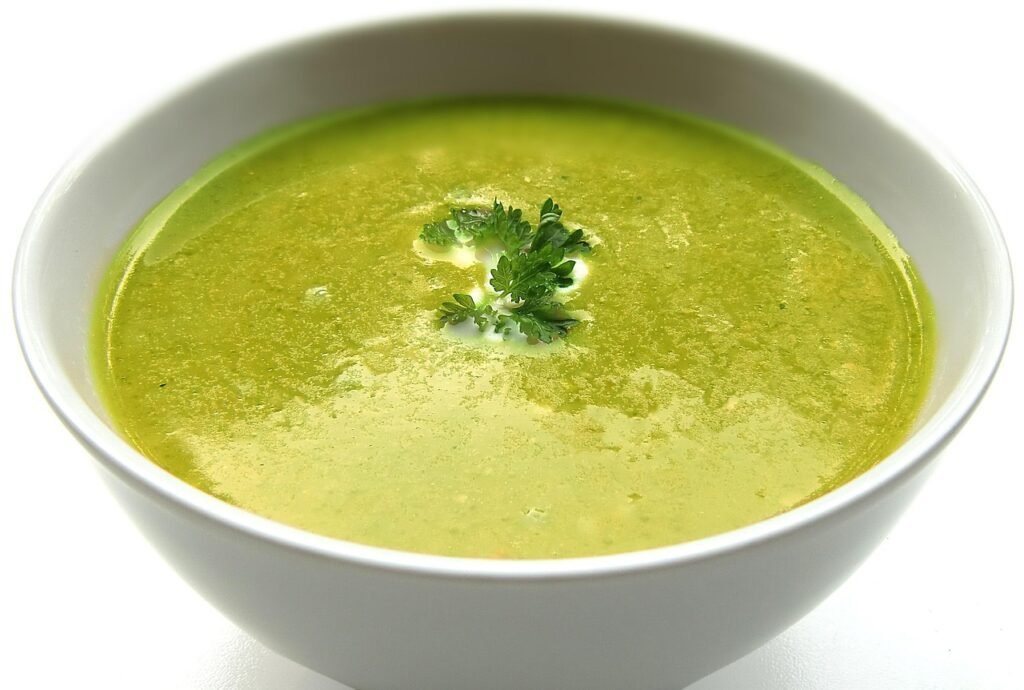
1. Moong Dal Palak Soup — Why Is This the Daily Go-To?
This is my daily go-to — light, protein-rich, and packed with iron from the greens. Cook half a cup of soaked moong dal (split green gram) with haldi (turmeric) and water until soft, add a cup of chopped palak (spinach), and simmer for 5 minutes. Temper jeera (cumin), a pinch of hing (asafoetida), and grated ginger in a little ghee (clarified butter), then mix it in. The protein-and-iron combination is soothing and easy to digest — a perfect gentle dinner.
2. Masoor Dal With Ginger-Coconut Tempering — Good for Flares?
Masoor dal (red lentils) cooks fast and pairs beautifully with cooling coconut, which makes this especially helpful during a flare when you want something soft and anti-inflammatory. Cook half a cup of masoor dal with haldi (turmeric) until soft. In a little cold-pressed oil, crackle mustard seeds (rai), curry leaves (kadi patta), grated ginger, and a teaspoon of grated coconut (nariyal), then pour over the dal and simmer. Gentle, fast, and comforting.
3. Green Moong Dal With Vegetables — Why Sprout It?
Whole green moong, sprouted and cooked, is a high-protein dal that is even easier to digest, as sprouting reduces the gas-causing compounds. Pressure cook half a cup of sprouted green moong with half a cup of chopped lauki (bottle gourd) or zucchini (courgette), jeera (cumin), ginger, haldi (turmeric), and salt. Finish with a ghee and jeera tempering and fresh dhania (coriander). Add a spoon of ground alsi (flaxseed) for extra fibre if you like.
4. Toor Dal Khichdi (No Onion No Garlic) — The Comfort Option?
This comforting khichdi is the dish I reach for when I want something filling and completely gentle. Pressure cook half a cup of toor dal (split pigeon peas) with half a cup of rice, haldi (turmeric), and salt until very soft. Temper jeera (cumin), a pinch of hing (asafoetida), and grated ginger in ghee (clarified butter) and mix through. Toor is a little heavier than moong, so soak it well and keep the portion moderate if your gut is very sensitive.
5. Yellow Moong Tadka Dal — The Everyday Dal?
This is the simplest everyday dal — gentle enough for most days and quick to make. Cook half a cup of yellow moong dal (split green gram) with haldi (turmeric) until soft and smooth. Make a tadka of jeera (cumin), a pinch of hing (asafoetida), grated ginger, and a chopped tomato in ghee (clarified butter), then stir it in. Finish with dhania (coriander) and a squeeze of lemon. Light, protein-rich, and reliable.
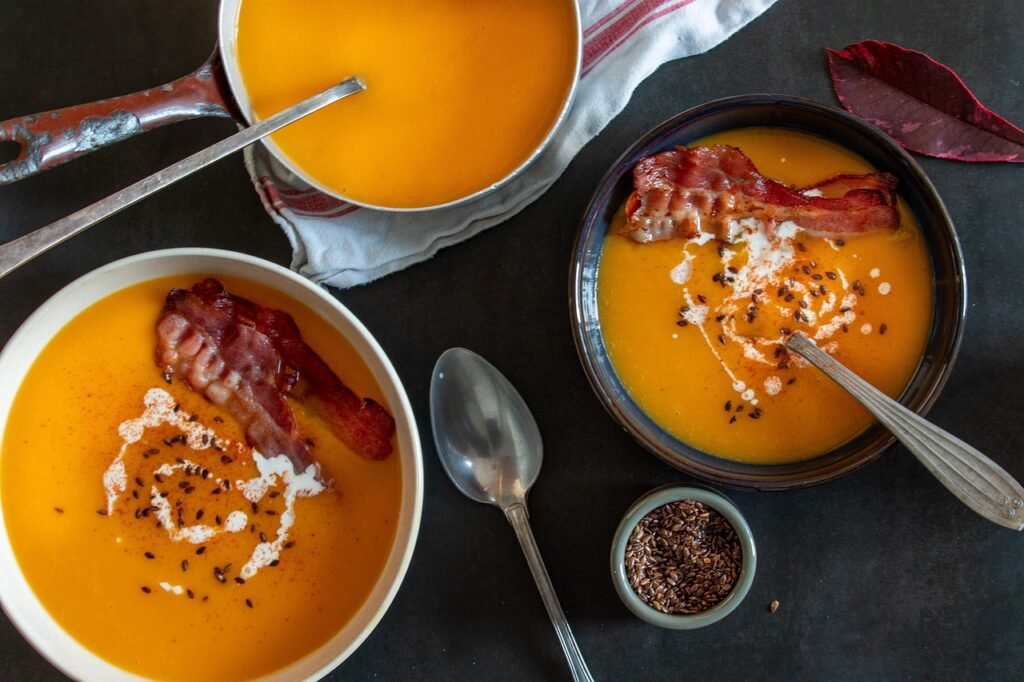
6. Masoor Dal With Pumpkin — A Sweet, Gentle Dal?
Masoor dal (red lentils) cooked with kaddu (pumpkin) makes a naturally sweet, soft, soothing dal that is very easy on the gut. Cook half a cup of masoor dal with a cup of cubed kaddu (pumpkin), haldi (turmeric), and salt until both are soft and slightly mashed together. Temper with jeera (cumin), hing (asafoetida), and ginger in ghee. The pumpkin adds gentle fibre and a natural sweetness that balances the dal.
7. Mixed Moong-Masoor Dal — Best of Both?
Combining moong (split green gram) and masoor (red lentils) gives you a slightly richer dal while keeping it gentle, as both are among the lowest-FODMAP lentils. Cook a quarter cup each with haldi (turmeric) until soft. Temper jeera (cumin), hing (asafoetida), ginger, and a chopped tomato in ghee (clarified butter), mix through, and finish with dhania (coriander). A good way to vary the everyday dal without reaching for heavier lentils.
How Do You Make Any Dal More IBS-Friendly?
A few habits turn almost any dal gentle. Soak the lentils for at least an hour, or sprout them, to reduce the compounds that cause gas. Cook them properly soft rather than leaving them firm. Skip onion and garlic entirely and use a pinch of hing (asafoetida) in the tempering instead — it gives a savoury, almost onion-like depth without the trigger. Keep the oil or ghee light, and the portion moderate. And lean on the gentler lentils — moong (split green gram) and masoor (red lentils) — over heavier ones like rajma (kidney beans), chana (chickpeas), or whole urad (black gram), which are much harder to digest.
What Should You Serve With These Dals?
These dals work with a small portion of soft white rice, which is gentle and IBS-friendly, or with a gluten-free roti. A side of steamed lauki (bottle gourd) or a simple cucumber (kheera) salad keeps the plate light. For a flare day, a plain moong dal with rice is the gentlest complete meal there is. Keeping the accompaniments simple preserves the easy-to-digest nature of the dal.
You can Eat High Protein Dal Recipe with Crispy Lentil Fritters (2-in-1 Meal Idea)
IBS-Friendly Cooking Tips for Dal Success
| Tip | Why It Helps |
|---|---|
| Soak dals for 4–6 hours | Reduces phytic acid, improves digestion |
| Use ginger, cumin, and hing | Prevents gas and eases gut |
| Avoid onion & garlic | High FODMAP, often cause flares |
| Cook soft or blend | Easier on weak digestion |
| Use curry leaves, ajwain, coriander | Gut-stimulating, flavor-enhancing |
best dals for IBS (the companion GUIDE) — https://caloriematterss.com/best-dals-for-ibs
food to eat in IBS (FODMAP pillar) — https://caloriematterss.com/food-to-eat-in-ibs
3 Ingredient Chicken Recipe – Peanut, Garlic & Green Chilli
Frequently Asked Questions
Which dals are best for IBS?
Moong dal (split green gram) and masoor dal (red lentils) are generally the easiest dals to digest and are often the best choices for people with IBS. Toor dal may also be tolerated in moderate portions, while heavier legumes such as rajma, chana, and whole urad are usually harder to digest, especially during an IBS flare.
How do I make dal without onion and garlic taste good?
A pinch of hing (asafoetida) in the tempering creates a savoury depth that helps replace onion and garlic. Combining it with jeera (cumin), fresh ginger, curry leaves, coriander, and a squeeze of lemon produces a flavourful dal that remains gentle on the digestive system.
How much protein is in these dals?
A serving prepared from about half a cup of dry lentils typically provides around 12 to 18 grams of plant protein, depending on the variety. Pairing dal with rice also creates a more complete protein, making it an excellent vegetarian meal for everyday nutrition.
Why do lentils cause bloating, and how do I prevent it?
Lentils naturally contain fermentable carbohydrates that can produce gas during digestion. Soaking or sprouting them, cooking them until completely soft, choosing gentler varieties like moong or masoor, and using hing and jeera in the tempering can all help reduce bloating. Moderate portions are also important.
Can I eat dal during an IBS flare?
Yes. A thin, well-cooked moong dal or simple moong dal khichdi is one of the gentlest protein-rich meals during an IBS flare. Keep the seasoning light, avoid heavy tempering, and eat smaller portions until your symptoms improve before returning to heartier dals.
🌿 Love gut-friendly recipes? Add Caloriematterss as your Google Preferred Source so my low-FODMAP, high-protein recipes show up more often for you. Set Caloriematterss as a preferred source →