11 High-Protein Dinner Ideas for Quick Weeknights
📌 Key Points
What it is: Eleven quick high protein dinner ideas — from moong dal chilla and paneer tikka to mint chicken curry and tofu bhurji — each ready in about 30 minutes.
Why they work: Around 18–32g protein a serving keeps you full and prevents night snacking, while gentle spices and light cooking keep them easy on the gut.
Honest IBS note: Most are gentle, but a few include items some guts don’t love — soya chunks, paneer and wheat roti. Swap them (see the budget swaps) if they trigger you, and adjust to your own tolerance.
Target: aim for 20–30g protein at dinner, paired with a low-GI carb like millet or brown rice.
High-protein dinner ideas are what saved my weeknights — those evenings when I’m tired, hungry, and have no interest in spending an hour in the kitchen after a long day. With IBS and a packed schedule, I need dinners that are high in protein, gentle on digestion, and genuinely fast. These eleven fit all three.
From gut-friendly lentil bowls to protein-packed wraps, these are meals I actually make, not filler for clicks. Each one comes together in about 30 minutes with clean Indian or fusion ingredients, keeps you full so you’re not raiding the kitchen at night, and sits gently on the stomach. Here they are, kept exactly as I make them.
Why do high-protein dinners help, especially at night?
A high-protein dinner keeps you full through the evening, so you’re not snacking late or waking up hungry, and it’s often gentler than a carb-heavy meal on a sensitive gut. Dinner is when cravings hit hardest, and protein is what steadies them.
Protein takes longer to digest than refined carbs, so it keeps you satisfied for longer and helps stabilise blood sugar into the evening. For me, that means far less nighttime grazing — which was a big trigger for both weight and bloating. A protein-forward plate also tends to ferment less overnight than a heavy rice-and-bread dinner, which sits easier.
I’ll keep it honest about scope: these dinners support a healthy routine and help with fullness and weight management. They’re good food, not a treatment for any condition, so I won’t make hormone or medical claims for them.
The 11 high-protein dinner ideas
Here are all eleven, kept exactly as I make them, with their protein estimates.
1. Moong dal chilla with tofu stuffing
~20g protein · 20 min. A light, gut-friendly Indian pancake made from soaked moong dal (split green gram), stuffed with sautéed tofu and vegetables.
2. Lentil soup with mixed seeds
~22g protein · 25 min. Add sunflower, chia or flaxseeds for texture and extra protein. Pair with toasted millet bread.
3. Chicken stir-fry with bell peppers and ginger
~30g protein · 20 min. Gluten-free and lightly spiced. Use minimal oil, and skip cornstarch if you’re sensitive.
4. Egg bhurji wrap in ragi or wheat roti
~18–22g protein. Scrambled eggs with a gentle onion-free masala, rolled into a high-fibre roti. A quick, gut-friendly dinner. (Use ragi/millet roti if wheat triggers you.)
5. Soya chunk pulao (no onion, no garlic)
~26g protein. A quick pulao with soaked soya chunks, mint and cumin — high satiety and great post-workout. (Soya chunks are higher-FODMAP for some — keep the portion moderate.)
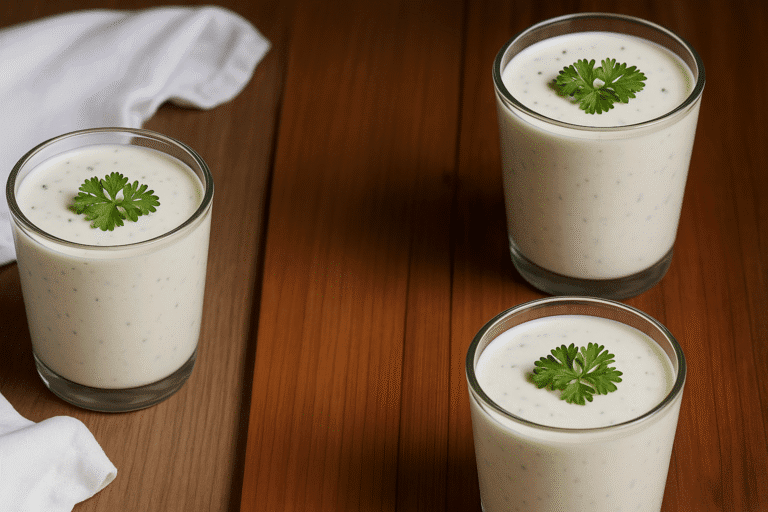
6. Grilled paneer tikka with mint yogurt dip
~28g protein. Use an air fryer or oven, skip processed sauces, and add roasted cumin and ajwain to the dip for digestion. (Use lactose-free curd in the dip if needed.)
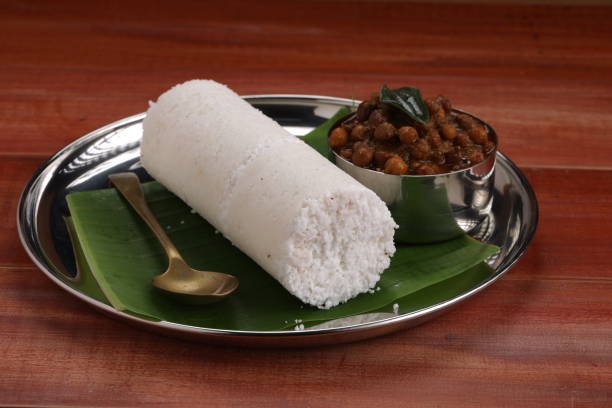
7. Quinoa khichdi with mixed veggies and moong dal
~20g protein. Comforting and gentle. Swap white rice for quinoa for added amino acids and fibre.
8. Mint chicken curry (dairy-free)
~32g protein. Uses mint, green chilli and coconut milk — light but full of flavour. Serve with jeera rice or a millet flatbread.
9. Besan cheela with hung curd dip
~18g protein. A quick protein fix. Add methi (fenugreek) and carom seeds (ajwain) for extra flavour and digestion. (Besan is higher-FODMAP for some — keep the portion moderate.)
10. Boiled egg salad with olive oil and cucumber
~20g protein. Refreshing and gut-friendly. Add a few soaked almonds or sunflower seeds for crunch.
11. Tofu bhurji with brown rice
~24g protein. Vegan and satisfying. Use hing (asafoetida), turmeric and coriander for a gentle, digestion-friendly finish.
Tips to get the most protein at dinner
Choose complete proteins, pair them with a low-GI carb, avoid frying and heavy dairy at night, aim for 20–30g, and finish with warm jeera or ajwain water. A few habits make these dinners work even better.
Complete proteins like eggs, chicken, paneer, tofu and quinoa give you the full amino acid profile. Pairing them with millet, brown rice or vegetables keeps blood sugar steady, and going easy on frying and heavy dairy late helps you sleep and digest better. Don’t undereat, though — 20 to 30g of protein is the sweet spot for a satisfying dinner. A glass of warm cumin or ajwain water afterwards helps everything settle.
Budget swaps and a quick pantry list
Easy swaps keep these dinners flexible: chicken → boiled egg or soya; paneer → tofu or boiled chana; quinoa → millet or brown rice; coconut milk → homemade curd if tolerated; avocado → hung curd or sesame paste.
To always have fast dinners on hand, keep these staples stocked: moong and masoor dal, tofu or paneer, eggs or soya chunks, millet flour and brown rice, seeds (flax, sunflower, pumpkin), core spices (turmeric, cumin, ajwain, ginger powder), and coconut milk or curd. With those in the kitchen, most of these dinners are 30 minutes away on any weeknight.
The Ayurvedic angle
In Ayurveda, dinner is meant to be light and easy to digest, and these dinners fit that — warm, gently spiced, and not too heavy before bed. It’s a helpful lens, not a medical claim.
They’re warm and easy to digest, use agni-supporting spices like ginger, cumin and ajwain, lean on lentils, herbs and seeds, and can be made without onion and garlic where that suits your gut. That’s the traditional thinking behind why a lighter, protein-forward dinner tends to sit well.
8 IBS Cooking Tips Every Indian Kitchen Should Know
High Protein Shami Kabab – Chicken, Chickpeas & Ghee (IBS-Friendly & Freezer-Ready) , No-Oil Pickled Onion
Frequently Asked Questions
What are some quick high-protein dinner ideas?
Fast options include moong dal chilla with tofu, chicken stir-fry with ginger, paneer tikka with a mint yogurt dip, quinoa khichdi, and tofu bhurji with brown rice. Each comes together in about 30 minutes and gives 18–32g of protein, making them ideal for busy weeknights.
How much protein should I aim for at dinner?
Around 20 to 30g of protein at dinner works well for most people, supporting fullness and overnight recovery. Individual needs vary with body size and activity, so treat this as a starting range. Pair the protein with a low-GI carb like millet or brown rice for a balanced plate.
Can vegetarian dinners be high in protein?
Absolutely. Lentils, tofu, paneer, quinoa, curd and seeds all provide solid protein. Dishes like moong dal chilla, tofu bhurji, besan cheela and quinoa khichdi all reach 18–24g a serving without meat. Combining pulses with grains gives a fuller amino acid profile.
Are these dinners suitable for a sensitive gut?
Many are gentle, especially the moong dal chilla, quinoa khichdi, egg dishes and tofu bhurji. A few include items some guts don’t love, like soya chunks, paneer, besan and wheat roti, so swap or reduce those if they trigger you. Use the budget swaps and keep portions moderate.
Is a high-protein dinner good for weight management?
Protein helps you feel full, which can reduce late-night snacking and overeating, and it supports muscle. That makes a protein-forward dinner a useful part of a balanced routine. It’s one helpful habit alongside overall diet and activity, not a standalone fix.
🌿 Love gut-friendly recipes? Add Caloriematterss as your Google Preferred Source so my low-FODMAP, high-protein recipes show up more often for you. Set Caloriematterss as a preferred source →