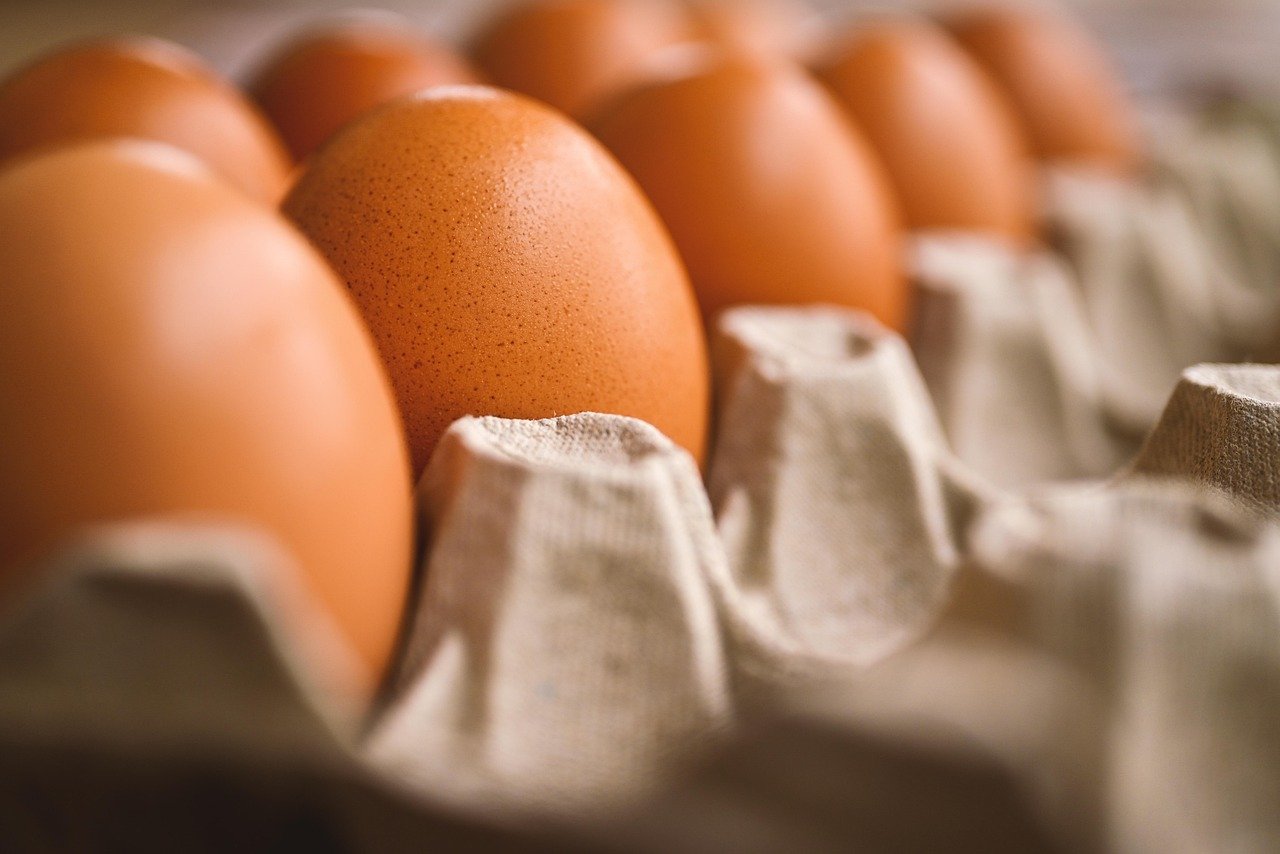
Egg Recipes for IBS: 9 Light, Gut-Friendly Ways I Eat Eggs Without Bloating
📝 Quick Guide
What it is: Nine light, gentle egg recipes for IBS — from boiled eggs with jeera salt to steamed egg custard and a ragi-egg pancake — all built without onion, garlic or heavy spice.
Why it works: Eggs are low-FODMAP and one of the gentlest proteins for a sensitive gut. It’s the base and the cooking that cause trouble, so these keep the oil light and the spicing calm.
Honest IBS/low-FODMAP note: Eggs, jeera, hing, ginger and ragi are low-FODMAP for me. A few recipes use tomato or a little dairy ghee — I flag those so you can adjust. IBS is individual; test one dish and one portion at a time.
Per serving (2 boiled eggs): ~155 kcal | Protein: ~13g
Egg recipes for IBS are the reason I still get enough protein on the days my gut is being difficult. When I was first working out what to eat after my IBS diagnosis in 2023, eggs were one of the few foods that never let me down — cheap, fast, and gentle, as long as I didn’t drown them in onion, garlic and oil the way I used to.
That’s the honest catch with eggs. The egg itself is low-FODMAP and one of the easiest proteins to digest. It’s what goes around it — the onion base, the heavy tadka, the garam masala, the fried finish — that turns a harmless plate of eggs into a bad afternoon. So every recipe below is the calm version: soft cooking, light oil, and hing and jeera doing the flavour work instead of onion and garlic.
These are the nine I actually rotate, from a two-minute boiled egg to a steamed custard I make on flare days.
Table of Contents
Nine gentle egg recipes for IBS I actually eat
1. Boiled eggs with jeera salt
This is the one I fall back on when I can’t be bothered to cook. Boil two eggs for 10–12 minutes, cool them, slice, and sprinkle with roasted cumin (jeera) powder and rock salt (sendha namak). A few coriander leaves if I have them.
One small tip that genuinely matters for digestion: don’t overboil. That grey-green ring around the yolk means it’s overcooked, and for me an overcooked yolk sits heavier than a soft one. Pull them at 10 minutes and you’re set.
2. IBS-friendly egg curry (no onion, no garlic)
When I want a proper meal, this is it — boiled eggs in a thin ginger-tomato gravy tempered with cumin and a pinch of asafoetida (hing) instead of onion and garlic. No garam masala, no chilli. It’s the recipe that brought curry back onto my plate after months of plain khichdi.
I’ve written the full method separately so I won’t repeat it here.
Full recipe: my onion-free egg curry for IBS.
3. Masala omelette, low-spice version
A soft, folded omelette with the masala dialled right down. Two eggs, a little chopped spinach or methi (fenugreek leaves), a pinch of hing, black pepper and coriander, cooked gently in 1 teaspoon (5 ml) of ghee. No chilli, no garlic.
If I want more to it, I grate in a little bottle gourd (lauki) for extra fiber. Cook it low and slow so it stays soft rather than browning hard.
4. Scrambled eggs with mint and jeera
Light, cooling, and quick. I whisk two eggs with rock salt and a pinch of turmeric (haldi), then cook them slowly in a pan with cumin (jeera) and a little fresh mint (pudina). The mint makes it feel like a summer dish rather than a heavy breakfast.
I serve this with a moong dal chilla or a small bowl of millets rather than bread, which keeps the whole plate gentle.
5. Egg bhurji without onion or tomato
Street-style bhurji is oily and onion-heavy, which is exactly why it used to wreck me. This dry version is far easier on the gut: eggs scrambled with grated lauki and grated carrot, cooked in ghee with turmeric and a pinch of ajwain (carom seeds). The ajwain is my go-to for anything that tends to feel gassy.
Serve it with an onion-free roti or a little khichdi. Because it’s dry rather than swimming in oil, it doesn’t leave me sluggish.
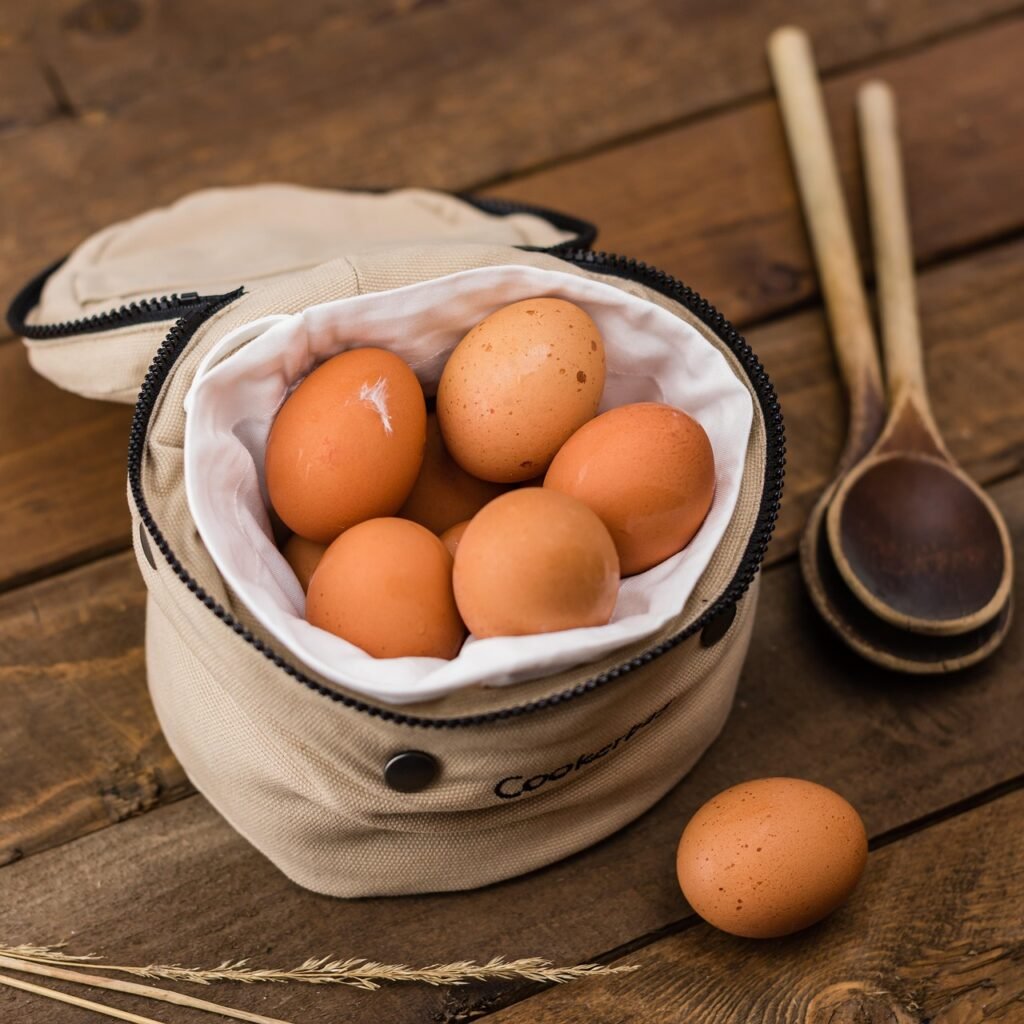
6. Steamed egg bowl (Indian-style chawanmushi)
This is my flare-day recipe. It’s inspired by the Japanese steamed egg custard — soft, silky, and about as easy to digest as egg gets. Beat two eggs with half a cup (120 ml) of water, a little salt and a pinch of turmeric, then steam in a small bowl for 12–15 minutes until just set. Garnish with coriander and eat it warm.
On days when even a normal meal feels like too much, this goes down when nothing else will.
7. Soft egg toast with moong bread
For breakfast, I pair soft-boiled egg slices with moong toast or a ragi dosa, and a little jeera chutney. The moong base keeps it gluten-free and light, which my gut prefers first thing in the morning.
I skip regular gluten bread and cheese toppings here — both tend to sit heavy on me before the day’s even started.
8. Egg drop soup, clear and light
Soothing and full of protein, this is another one I lean on during a flare. Bring two cups of homemade vegetable broth to a boil, then pour in a whisked egg slowly so it forms soft ribbons. I add a little grated ginger, some spring greens and a pinch of ajwain.
No cornflour, no chilli, no vinegar — just the clear, warming version. It’s basically a hug in a bowl on a rough gut day.
9. Ragi-egg pancake
When I want fiber and protein together, I make a thin pancake from one egg, 2 tablespoons (about 30 ml) of ragi flour (finger millet), a pinch of salt, a little grated ginger and water. Cook it thin like a dosa and eat it with mint chutney.
Ragi is naturally gluten-free and filling, so a small pancake keeps me going without the heaviness of a wheat-based one.
Are all egg dishes safe for IBS?
No — and I want to be straight about that. The recipes above are gentle, but plenty of egg dishes are the opposite. I avoid deep-fried eggs and rich egg curries, anything loaded with onion and garlic, mayonnaise- or cheese-heavy egg sandwiches, and packaged bhurji mixes with their masala oil.
The dish isn’t the problem. It’s the trigger ingredients wrapped around it. Strip those out and eggs become one of the easiest proteins to live with.
What are my go-to cooking rules for eggs with IBS?
A few habits that make the difference for me:
- Cook eggs soft or steamed, not fried or overcooked
- Use ghee or a little mustard oil, not refined oil or lots of butter
- Season with jeera, hing and ginger instead of chilli and garam masala
- Pair with moong chilla, millets or rice rather than gluten bread or spicy gravy
None of it is complicated. It’s just choosing the calm version every time.
What do I keep stocked for IBS-friendly egg cooking?
My egg shelf is small and boring, on purpose: ghee or cold-pressed mustard oil, rock salt, cumin (jeera) and turmeric (haldi), ragi or moong flour, and the aromatics I trust — mint (pudina), ajwain and fresh coriander. Plus fresh eggs, never the processed or flavoured kind.
That’s genuinely it. With that shelf I can make any of the nine above without a special trip to the shop.
If you want more like this, here are my IBS-friendly Indian breakfast ideas and gut-friendly kitchen essentials that go with all of it.
High Protein Indian Breakfast , Low-FODMAP Black Sesame Spread
Frequently Asked Questions
Are eggs safe to eat if you have IBS?
For most people, yes. Eggs are low-FODMAP and easy to digest, so boiled, steamed or poached eggs are usually well tolerated. It is how they are cooked, not the egg itself, that tends to cause trouble.
What IBS-friendly egg recipes can I try?
Boiled eggs with jeera salt, a low-spice masala omelette, scrambled eggs with mint, egg bhurji without onion or tomato, or a steamed egg bowl all work well. Pair them with moong chilla, millets or rice rather than gluten bread.
How should I prepare eggs to avoid IBS symptoms?
Cook them soft or steamed with minimal oil, skip high-FODMAP additions like onion and garlic, and use gentle spices like jeera and hing. Serve with low-FODMAP carbs such as rice or a moong toast.
Are boiled or fried eggs better for IBS?
Boiled or steamed eggs are the easiest to digest. Fried eggs, especially in a lot of oil, are heavier and more likely to feel uncomfortable for a sensitive gut.
Can I eat eggs during an IBS flare?
If eggs sit well with you, a soft or steamed preparation like a plain steamed egg bowl or clear egg drop soup can be a gentle way to get protein during a flare. Keep the portion modest and skip added spice.
🌿 Love gut-friendly recipes? Add Caloriematterss as your Google Preferred Source so my low-FODMAP, high-protein recipes show up more often for you. Set Caloriematterss as a preferred source →