Egg Curry for IBS: The Onion-Free, Garlic-Free Version I Actually Eat on Bad Gut Days
📝 Quick Guide
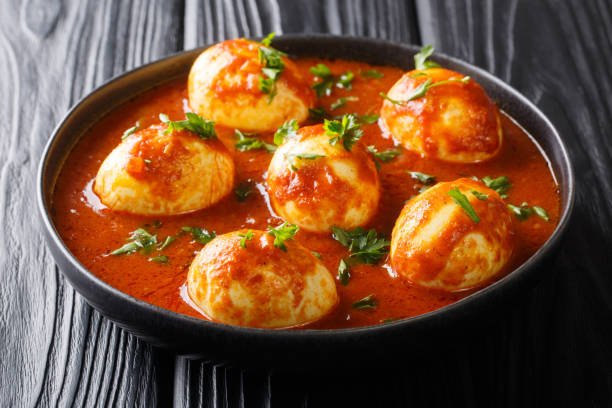
What it is: Egg Curry for IBS , A light Indian egg curry built without onion or garlic — boiled eggs in a thin ginger-tomato gravy tempered with cumin (jeera) and asafoetida (hing).
Why it works: Eggs are low-FODMAP and easy to digest, and the hing gives that savoury onion-garlic depth without the two things that trigger me most.
Honest IBS/low-FODMAP note: Eggs, ginger, cumin and turmeric are low-FODMAP. Tomato is fine for me in a small amount — one medium tomato across four servings — but a heavy tomato gravy can be a trigger, so keep it light. IBS is individual; test a small portion first.
Per serving (1 egg + gravy): ~120 kcal | Protein: ~7g
Egg curry for IBS is one of the few “proper” curries I still make for myself, and I want to tell you why, because for a long time I’d given up on curry altogether. After my IBS diagnosis in 2023 I linked almost every bad evening back to the same thing — the onion-garlic base under nearly every Indian gravy. So I stopped ordering curry, stopped cooking it, and lived on plain khichdi for months. This egg curry is the recipe that brought curry back onto my plate without the 3am regret.
It’s boiled eggs in a thin, light gravy — no onion, no garlic, no garam masala, no red chili powder. Just ginger, a fresh tomato, cumin (jeera) and a pinch of asafetida (hing). It comes together in under 30 minutes and it’s the meal I reach for when I want protein and comfort but my gut is being fussy.
Why does regular egg curry trigger IBS?
Standard restaurant-style egg curry is built on the exact things a sensitive gut struggles with. Onion and garlic are both high-FODMAP and, for me, the clearest triggers of gas and cramps. On top of that you usually get a heavy oil tadka, a big load of tomato, and warming masalas like garam masala and red chili that add heat my stomach doesn’t want.
None of that is the egg’s fault. Eggs themselves are low-FODMAP and one of the gentlest proteins I eat. It’s the base and the spicing that cause the trouble — so that’s exactly what this version strips out.
What makes this egg curry for IBS gut-friendly?
The whole recipe is a set of swaps. Instead of onion, I lean on a pinch of hing bloomed in hot oil, which gives that same savoury backbone. Instead of garlic, grated ginger does the aromatic job and is easier on the gut lining. I keep the tomato to one medium fresh tomato across the whole pan — enough for colour and tang, not enough to tip my FODMAP load. And I skip garam masala and chilli entirely, using just turmeric (haldi) and coriander powder (dhaniya) with maybe a tiny pinch of black pepper.
Honest note: this is a gentler curry, not a magic one. Tomato is a personal trigger for some people with IBS even in small amounts, so if that’s you, cut it to half a tomato or use a spoon of tomato paste loosened with water. Listen to your own gut over any recipe, mine included.


What do I serve egg curry for IBS with?
I keep the sides as calm as the curry. Plain rice is my usual, or a millet like little millet (kutki) or foxtail (kangni) when I want something lighter than rice. A soft phulka (thin roti) works too if wheat sits okay with you.
For a side, cucumber raita made without garlic, or a simple sautéed lauki (bottle gourd) or ridge gourd (turai), rounds it out. I eat this at lunch rather than late at night — heavy-ish meals after dark are the fastest way to a bad night for me, even a gentle one like this.
How does this fit into my week?
I usually make egg curry for IBS as a midday meal a couple of times a week. A batch of four eggs in gravy does two lunches for me, so I’ll have it with red rice one day and with lauki sabzi and a little mint chutney another. On a post-yoga day when I want protein without heaviness, I’ll have the eggs and gravy over a small bowl of rice and call it done.
It feels like an actual meal, not a compromise. That was the whole point — getting curry back without dreading the aftermath.
If you want more like this, here are my IBS-friendly Indian dinner ideas and a high-protein onion-free dal I rotate alongside it.
A note on tomato and FODMAPs
I keep coming back to tomato because it’s the one ingredient in this recipe that isn’t a clear low-FODMAP win for everyone. In Monash’s testing, tomatoes are low-FODMAP in a normal serve, but larger amounts stack up, and some people with IBS react to the acidity regardless of FODMAPs. So the honest framing is: one medium tomato across four servings sits gently with me. Start smaller if you’re unsure, and build up only if your gut is happy.
How To make This Curry
Ingredients
- 4 boiled eggs
- 1 medium ripe tomato (about 120 g / 4 oz), pureed
- 1 tsp (5 ml) grated ginger (adrak)
- 1 tbsp (15 ml) cold-pressed mustard oil (sarson ka tel)
- ½ tsp (2.5 ml) cumin seeds (jeera)
- 1 pinch asafoetida (hing)
- ¼ tsp (1.25 ml) turmeric (haldi)
- ½ tsp (2.5 ml) coriander powder (dhaniya)
- 1 small pinch black pepper (kali mirch), optional
- ½ to ¾ cup (120–180 ml) water
- Rock salt (sendha namak), to taste
- Fresh coriander leaves (hara dhaniya), to garnish
Instructions
- Boil the eggs 10–12 minutes, cool under cold water, peel, and score each lightly with a knife so the gravy soaks in.
- Heat the mustard oil. Add the cumin (jeera) and let it splutter, then add the pinch of hing.
- Add the grated ginger and sauté 30 seconds. Add the tomato puree and cook until the oil separates, about 5 minutes.
- Stir in turmeric, coriander powder, salt, and the pinch of black pepper if using. No garam masala, no chilli powder.
- Add ½ to ¾ cup (120–180 ml) water for a light gravy and simmer 5 minutes.
- Slip in the boiled eggs and simmer 3–5 minutes so they take on the flavour.
- Garnish with fresh coriander and serve hot with plain rice or a soft phulka.
Nutrition (per serving, 1 egg + gravy): ~120 kcal | Protein ~7g | Fat ~9g | Carbs ~3g (Based on 1 egg per serving plus a light share of oil, tomato and spices across 4 servings.)
You can also try this light cooking Pan Roasted Tomato Chicken or Mint Chicken . No Onion No Garlic Dals
Frequently Asked Questions
Is egg curry safe for people with IBS?
For most people, yes. Eggs are low-FODMAP and easy to digest, so when the curry skips onion, garlic and heavy spice, it is usually a gentle protein option. Everyone’s triggers differ, so start with a small portion.
What ingredients should I avoid in egg curry for IBS?
Onion, garlic, a heavy oil tadka, large amounts of tomato, and red chilli powder are the usual culprits. Swap in asafoetida (hing), cumin (jeera), ginger and turmeric for flavour without the trigger load.
Can I eat this curry during an IBS flare?
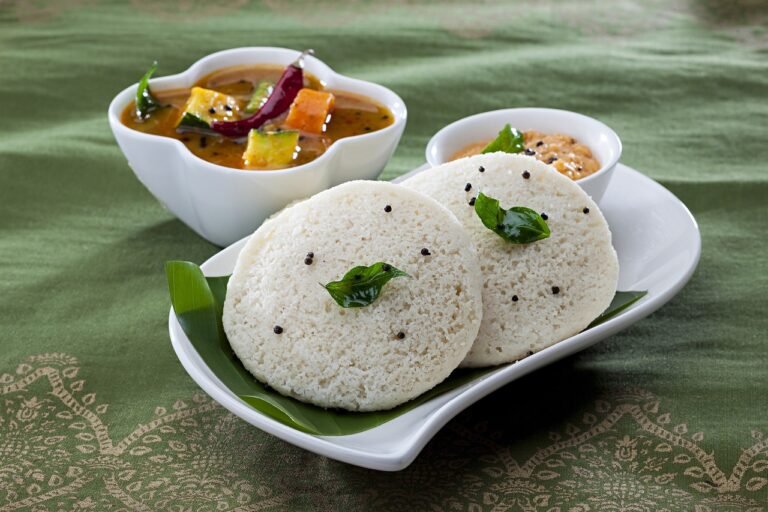
If eggs and mild spice sit well with you, this can work as a soft, protein-rich meal during a flare. Keep the portion small and serve it with plain rice or soft idli to keep digestion easy.
Are boiled or scrambled eggs better for IBS?
Boiled eggs are generally the easiest to digest. Scrambled can be fine too if you cook them in a little light oil with no dairy or spice triggers.
What sides go with IBS-friendly egg curry?
Plain rice, onion-free khichdi, soft idli, or a low-FODMAP flatbread all work. I skip pickle and fried papad when my gut is in a sensitive phase.
🌿 Love gut-friendly recipes? Add Caloriematterss as your Google Preferred Source so my low-FODMAP, high-protein recipes show up more often for you. Set Caloriematterss as a preferred source →