11 Fermented Indian Foods for Gut Health and Easier Digestion
📌 Key Points
What it is: Eleven traditional fermented Indian foods for gut health — curd, chaas, idli/dosa batter, kanji, achar, fermented rice, ambali, jalebi, kombucha, bamboo shoots and dhokla.
Why they help: Natural fermentation grows probiotics that support digestion, ease bloating and add beneficial bacteria to the gut.
Honest note: Fermented doesn’t automatically mean gut-friendly — pickles are high in salt, jalebi is a sugary treat, and too many probiotics at once can cause temporary gas. Start with one a day.
Gentlest for IBS: homemade curd (if tolerated), chaas, idli, fermented rice and dhokla.
Fermented Indian foods for gut health are some of the oldest probiotic remedies there are — long before anyone sold probiotics in capsules, our kitchens were already making them. A bowl of curd, a glass of chaas, a plate of idli: these are living foods, full of the good bacteria that help digestion feel easier. For a sensitive gut, they can be a gentle, everyday support.
Your gut is home to trillions of bacteria, and when that balance gets disrupted by stress, antibiotics or a poor diet, you feel it as bloating, gas and heaviness. Fermented foods help by adding beneficial microbes back in. Here are eleven traditional Indian fermented foods, kept exactly as they’re eaten, plus how to add them without overdoing it — because with fermented food, more is not always better.
Why are fermented Indian foods good for the gut?
Fermented Indian foods grow natural probiotics through the fermentation process, and those beneficial bacteria support digestion and help balance the gut microbiome. They’re a traditional, food-first way to look after your gut.
Your digestive tract relies on a balance of good bacteria, and when that’s disrupted — by stress, antibiotics, illness or a sugar-heavy diet — you can end up with bloating, gas and irregular digestion. Fermented foods add live, beneficial microbes back in, which is why cultures around the world have relied on them for centuries.
I’ll be honest about scope: these foods support digestion and comfort, they don’t cure IBS or heal your gut on their own, and “fermented” doesn’t automatically mean gentle. Some are high in salt or sugar, and too much at once can backfire. Used thoughtfully, though, they’re a lovely everyday support.
The 11 fermented Indian foods
Here are all eleven, kept exactly as they’re traditionally eaten.
1. Homemade curd (dahi)
Rich in Lactobacillus bacteria, curd helps break down lactose and aids digestion. It’s cooling, soothing and one of the easiest fermented foods to start with. Eat it with khichdi or as a side; go easy at night if you’re prone to acidity, and use well-strained or lactose-free curd if dairy triggers you.
2. Buttermilk (chaas)
Spiced buttermilk from curd and water is an excellent post-meal drink. Add cumin (jeera), mint (pudina) and rock salt (sendha namak) for extra digestive support. Best after lunch — it cools the gut and helps prevent constipation.
3. Idli and dosa batter
Fermenting urad dal and rice naturally cultivates wild probiotics. Use a well-fermented (about 24-hour) batter for the best result, and let natural fermentation do the work rather than adding baking soda. Steamed idli is one of the gentlest options here.
4. Kanji (fermented carrot drink)
A North Indian probiotic drink made with black carrots, mustard seeds and salt. It supports digestion and is high in antioxidants. A little goes a long way, so start with a small glass.
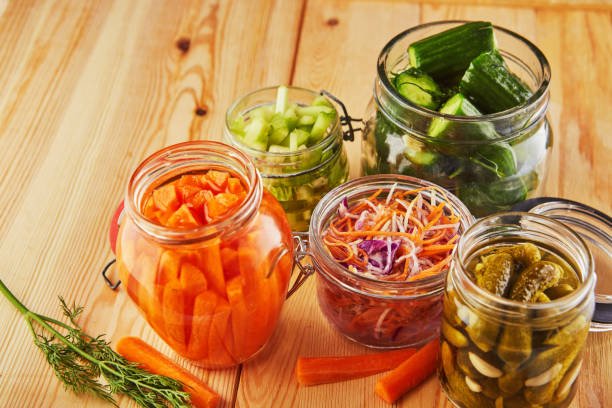
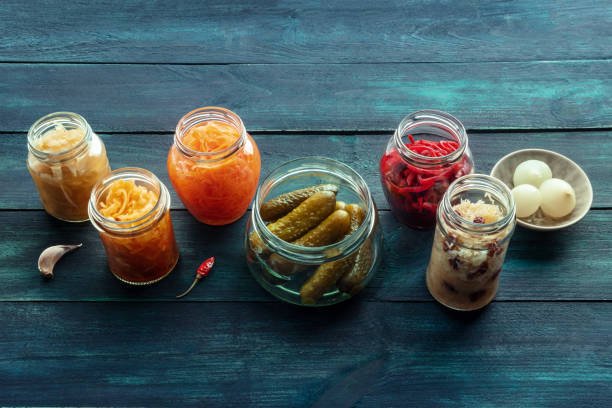
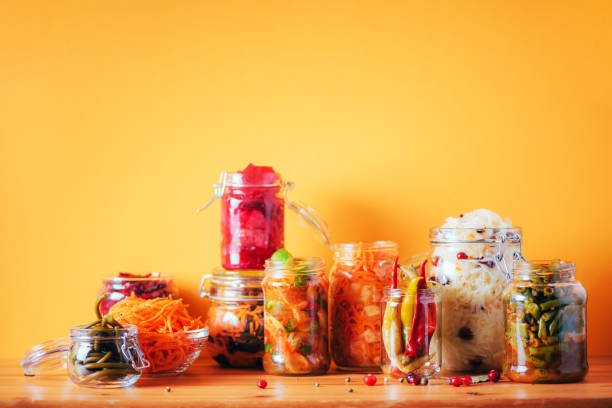
5. Pickles (lacto-fermented achar)
Traditional pickles made with just salt, mustard oil and sun (no vinegar) promote good bacteria. Homemade mango, lime or garlic pickle is best. Honest note: pickles are very high in salt, so treat them as a small condiment, not a serving — and many shop-bought versions use vinegar or preservatives that reduce the probiotic benefit.
6. Fermented rice (pakhala bhata / pazhaya sadam)
Leftover rice soaked in water overnight grows natural bacteria that aid digestion and cool the gut. It’s eaten widely in Odisha, Tamil Nadu and Bengal, often with mustard seeds and green chilli. One of the gentlest fermented foods for a sensitive stomach.
7. Ambali (finger millet porridge)
A fermented ragi-based drink from Karnataka, soaked overnight. It’s high in calcium and gut-friendly microbes, and makes a cooling summer breakfast.
8. Jalebi
Traditional jalebi is made with fermented maida and curd, so it does carry beneficial yeast. Being honest: it’s a sugary sweet, not a health food — enjoy it as an occasional treat, not a gut remedy. I’ve included it because it’s a genuine (and surprising) fermented food, not because it’s something to eat for your gut.
9. Kombucha
Not traditionally Indian, but now widely available from Indian brands. It’s a fermented tea rich in beneficial yeasts. Start with a small amount, as it can be fizzy and acidic; go gently if you’re prone to acidity or IBS.
10. Fermented bamboo shoots
Used across the North East — known as “khorisa” in Assam — these add a tangy probiotic note to curries. They’re an acquired taste and quite pungent, so start small and cook them well.
11. Dhokla and khaman
Fermented Gujarati snacks made from besan or rice-and-urad-dal batter. Light, fluffy and steamed rather than fried, so they’re relatively easy to digest. A lovely savoury way to get fermented food. (Besan-based versions are higher-FODMAP for some — keep the portion moderate.)
How to add fermented foods without bloating
Start slow, add just one fermented item a day, avoid stacking several in one meal, and stay hydrated. Too many probiotics at once can cause temporary gas as your gut adjusts.
If you’re new to fermented foods, begin with something gentle like curd or a small glass of chaas, and give your gut a week or two to adjust before adding more. Introducing one at a time also helps you notice which ones agree with you. This slow approach is the difference between feeling better and feeling briefly worse.
For a sensitive or IBS gut, the gentlest starting points are homemade curd (if you tolerate dairy), chaas, idli, fermented rice and dhokla. Leave the stronger, saltier or more acidic ones — pickles, bamboo shoots, kombucha — for once your gut is comfortable.
What are the benefits of fermented foods?
Fermented foods can support nutrient absorption, add beneficial probiotics, and help many people with bloating and general digestion. These are supportive benefits, not medical cures.
The genuine, well-supported benefits are around digestion and the microbiome: fermentation makes some nutrients easier to absorb, adds live beneficial bacteria, and many people find fermented foods help with bloating and regularity. They fit naturally into a gut-friendly diet.
I’ll leave out the bigger claims you often see attached to these foods, like curing conditions, balancing hormones or driving weight loss, because those go beyond what fermented food actually does. Gentle, consistent, food-first support is the honest and useful version.
No-Oil Pickled Onion , ACV Cinnamon Cayenne Drink , low-FODMAP black sesame spread
Frequently Asked Questions
Why are fermented Indian foods good for gut health?
Fermented foods like curd, idli and dosa batter, kanji and naturally fermented pickles are natural sources of probiotics. The fermentation process grows beneficial bacteria that support digestion, add live microbes to the gut, and help many people with bloating and regularity.
Can I eat fermented foods every day?
Yes, most fermented foods can be eaten daily in moderation, especially homemade versions without excess oil, salt or preservatives. Keep pickles small since they’re high in salt, and treat jalebi as an occasional sweet rather than a daily gut food. One gentle fermented item a day is a good rhythm.
Which fermented foods are best for people with IBS?
Homemade curd (if you tolerate lactose), chaas, idli, fermented rice and steamed dhokla are the gentlest for IBS. Start with one at a time in a small amount. Go easy on saltier or more acidic options like pickles, bamboo shoots and kombucha until your gut feels comfortable.
What’s the best time to eat fermented foods?
Lunchtime is often ideal, when digestion tends to be strongest. Chaas after lunch and curd with a midday meal work well. Some people find heavy fermented or dairy foods sit less comfortably late at night, so listen to how your own body responds.
Are store-bought fermented foods as good as homemade?
Some are, but many shop-bought products contain vinegar or preservatives that reduce the live probiotic content. Homemade or naturally fermented versions are generally more beneficial. When buying, read labels and look for options without added vinegar or heavy preservatives.
🌿 Love gut-friendly recipes? Add Caloriematterss as your Google Preferred Source so my low-FODMAP, high-protein recipes show up more often for you. Set Caloriematterss as a preferred source →