Triphala Night Drink: An Honest Look at What It Does (From a Food Blogger, Not a Doctor)
📝 Quick Guide
What it is this Triphala night Drink ? : Triphala is a traditional Ayurvedic mix of three fruits (amalaki, bibhitaki, haritaki), often taken as a warm drink at night, mainly for bowel regularity.
What it actually does: Its most established effect is a gentle, dose-related laxative action from the tannins in haritaki. That can help occasional constipation for some people. It is a supplement, not a food.
Honest, important note: I’m a food blogger with IBS, not a doctor, and this isn’t medical advice. Triphala is a laxative herb — it can cause cramps and loose stools, interact with medications (diabetes, blood pressure, blood thinners), and it’s advised against in pregnancy and breastfeeding. Talk to your doctor before using it, and for everyday digestion I’d reach for food first.
Triphala night drink is something readers ask me about a lot, usually some version of: “does drinking triphala at night actually help digestion, or is it hype?” Since I write about gut health and live with IBS, I want to answer that honestly — including the parts most posts skip. And I’ll say the most important thing first: I’m a food blogger, not a doctor. This is a plain-language summary of what triphala is and what the evidence shows, not medical advice or a treatment plan.
A quick note on where this sits, too. Triphala is a herbal supplement, not a food, so it’s a bit outside my usual low-FODMAP-Indian-food lane. I’m covering it because so many people with gut issues come across it and want a straight answer — and because my honest take is that for everyday digestion, food comes first, with something like triphala being a supplement to discuss with a professional, not a default.
Table of Contents
What is triphala, actually?
Triphala means “three fruits” in Sanskrit. It’s a traditional Ayurvedic blend of amalaki (amla, Indian gooseberry), bibhitaki, and haritaki, usually taken as a powder, tablet, or steeped into a warm drink. Amla brings vitamin C and antioxidants; the other two are more about the digestive and laxative side.
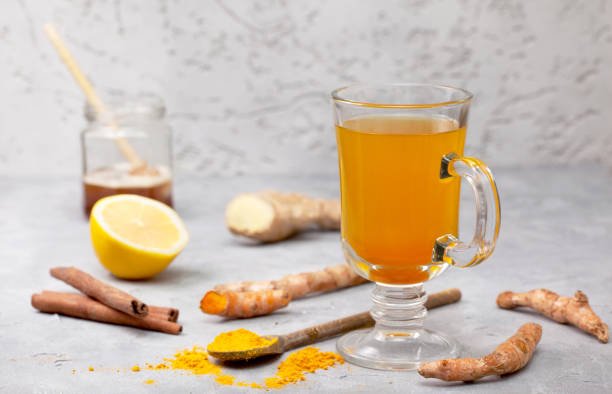
Taken as a “night drink,” a small amount of triphala powder is stirred into warm water and had before bed, on the traditional idea that it works on digestion overnight.
What does the triphala night drink actually do?
Here’s the honest, evidence-based version. Triphala’s best-documented effect is on the gut: it has a gentle, dose-related laxative action, driven mainly by the tannins in haritaki. At a typical small dose that effect is mild and can help occasional constipation for some people; at higher doses it becomes uncomfortable — cramps, gas, loose stools. That dose-response is the single most useful thing to understand before trying it.
Beyond regularity, there’s early, mostly small or animal research on triphala and the gut microbiome (a possible shift toward more beneficial short-chain-fatty-acid-producing bacteria), and its constituents are antioxidant-rich. But these are preliminary, not settled, and they don’t justify the bigger claims you’ll see online.
Which brings me to what it does not do, because the older version of this very post overreached badly, and I’d rather correct my own record than leave it standing.
What triphala does NOT do (setting the record straight)
You’ll see triphala sold as a fat-loss aid, a “liver detox,” a flat-stomach overnight fix, a cure for PCOS, adrenal fatigue or perimenopause, and a “hormone detox.” I’m not going to repeat those, because they aren’t supported:
- It doesn’t burn fat or flatten your stomach. Any “flatter” feeling is a laxative clearing the bowel and shifting water — not fat loss, and it comes straight back.
- It doesn’t “detox your liver.” Your liver and kidneys handle detoxification. “Detox” here is marketing, not physiology.
- It isn’t a treatment for PCOS or hormonal conditions. Those are medical issues that need proper diagnosis and care.
- It isn’t a harmless daily habit forever. It’s an active laxative herb, and relying on any laxative long-term has real downsides (below).
I know the honest version is less exciting. But you deserve accurate information, especially about something you’d swallow every night.
Is the triphala night drink safe?
Mostly, for healthy adults, short-term and at low doses — but with real cautions that matter, drawn from health and pharmacology sources:
- It’s a laxative, so it can cause gas, cramps, loose stools and, if overused, dehydration and electrolyte imbalance. People with chronic diarrhoea, or IBS where diarrhoea is the main issue, should be especially careful.
- Avoid in pregnancy and breastfeeding. Haritaki has traditional uterotonic caution and there’s no good safety data — multiple sources advise avoiding it.
- Medication interactions. It may lower blood sugar (matters with diabetes medication), affect blood pressure, and enhance blood thinners like warfarin. It can also affect the liver’s drug-processing enzymes, which can change how other medicines work.
- Gastritis, ulcers or acid reflux — its astringent, cleansing nature can irritate, so check with a doctor first.
- Contamination risk. Some Ayurvedic supplements have tested positive for heavy metals (lead, mercury, arsenic). If you use triphala, choose a product with independent third-party testing, not just the maker’s word.
- Not for children without medical supervision.
None of that means it’s dangerous for everyone. It means it’s an active herb, not “just water with fruit,” and it deserves a doctor’s input if you’re on medication, pregnant, or managing a health condition.
What I’d actually reach for first: food
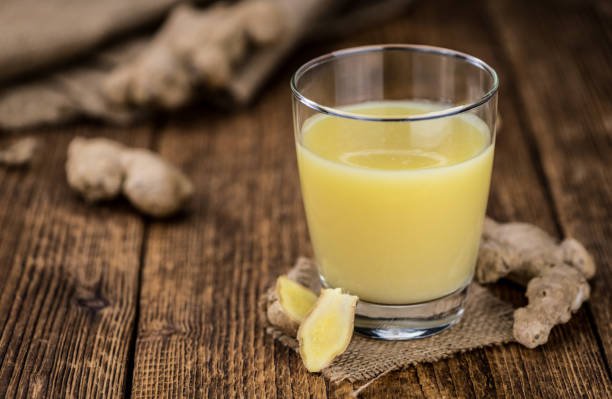
Since this is a food blog, here’s where I’m genuinely useful. For the everyday constipation and sluggish digestion people hope triphala will fix, food-first approaches are gentler, safer for long-term use, and squarely in my lane:
- Fiber and fluids: more vegetables, fruit, and enough water through the day — the unglamorous basics that do most of the work.
- Gentle helpers: soaked flax or chia (start small if you have IBS), and warm jeera or ajwain water for gas and heaviness.
- Movement and rhythm: a short walk after meals, and eating at regular times, both help the gut keep moving.
- Probiotic foods: homemade curd, buttermilk, or a dairy-free option if dairy triggers you.
If constipation is persistent or new, that’s worth a doctor’s visit rather than a nightly laxative — it can have causes worth checking.
Final thoughts
The triphala night drink has one honest, evidence-based use: a gentle laxative effect that can help some people with occasional constipation. That’s genuinely something. What it isn’t is a fat-burner, a liver detox, a hormone fix, or a harmless forever-habit — and I’d steer you away from any post (including my own older one) that told you otherwise. If you’re curious about it, talk to your doctor, choose a third-party-tested product, and use it sparingly. And for everyday gut health, start where I do: with food.
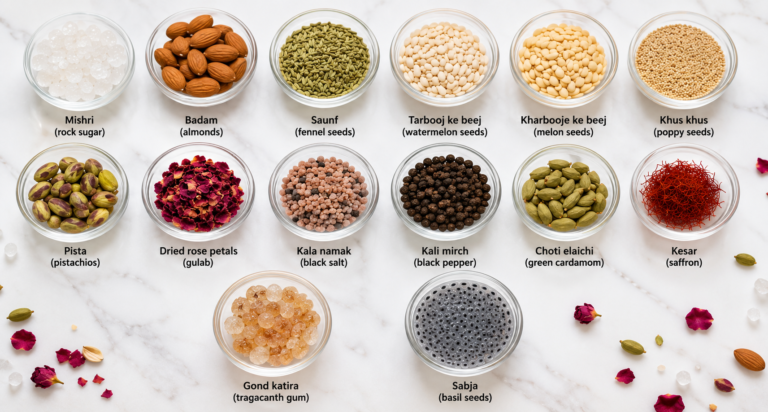
For the food-first side of digestion, here are my Indian spices for digestion and my gut-friendly kitchen essentials — both squarely in my wheelhouse.
Read these Article too one from Appollo and another one from PubMed
Ashwagandha Benefits for Women , High-Protein Idli , 3 Ingredient Chicken Recipe
Frequently Asked Questions
What does drinking triphala at night do?
Its best-documented effect is a gentle, dose-related laxative action that can help some people with occasional constipation. Taken warm before bed, the idea is it supports overnight digestion. It is a supplement, not a food, and effects vary a lot between people.
Does triphala night drink help with weight loss or belly fat?
No. Any flatter-stomach feeling is a laxative clearing the bowel and shifting water, not fat loss, and it returns quickly. Triphala is not a fat-burner or a weight-loss treatment, despite how it is often marketed.
Is triphala safe to take every night?
It is a laxative herb, so relying on it nightly long-term is not advisable, as overuse can cause dehydration and electrolyte imbalance. Short-term, low-dose use is better tolerated, and it is worth speaking to a doctor before making it a regular habit.
Who should avoid triphala?
Avoid it in pregnancy and breastfeeding, and be cautious if you take diabetes, blood-pressure or blood-thinning medication, or have gastritis, ulcers, reflux or chronic diarrhoea. Children should not take it without medical supervision. Check with your doctor if any of these apply.
What can I use instead of triphala for digestion?
Food-first options are gentler for everyday use: more fiber and fluids, soaked flax or chia (start small with IBS), warm jeera or ajwain water, probiotic foods like curd or buttermilk, and a short walk after meals. See a doctor if constipation is persistent or new.
🌿 Love gut-friendly recipes? Add Caloriematterss as your Google Preferred Source so my low-FODMAP, high-protein recipes show up more often for you. Set Caloriematterss as a preferred source →