7 days Powerful Diet Plan for IBS Flare Recovery & Gut Relief
Table of Contents
ToggleList of 7 Days powerful diet plan for ibs recovery and gut relief . When an IBS flare hits, your stomach feels like a battlefield. You’re bloated, cramping, nauseated, and unsure what to eat. That’s where a carefully planned powerful diet plan for IBS recovery and gut relief can help. It gives your gut a break while still nourishing your body.
This blog outlines a gentle 7-day plan, with comforting, easy-to-digest Indian foods that have helped many calm inflammation, relieve discomfort, and regain control.
What is Powerful Diet Plan for IBS recovery and gut relief ?
A powerful diet plan for IBS recovery and gut relief includes easily digestible foods that are low in fiber, bland, and gentle on your GI tract. It helps reduce:
Bloating
Cramping
Gas
Diarrhea or constipation
Typical ingredients include: Cooked white rice Steamed carrots Moong dal Ripe bananas (if tolerated) Coconut water Herbal teas
Day-by-Day of Powerful diet plan for IBS recovery and gut relief
 Day 1: Gentle Reset
 Day 1: Gentle Reset
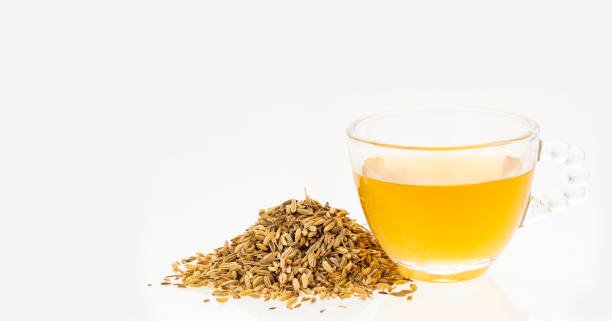
Morning: Warm water + 1 tsp soaked fennel seeds
Breakfast: Soft rice porridge with pinch of rock salt
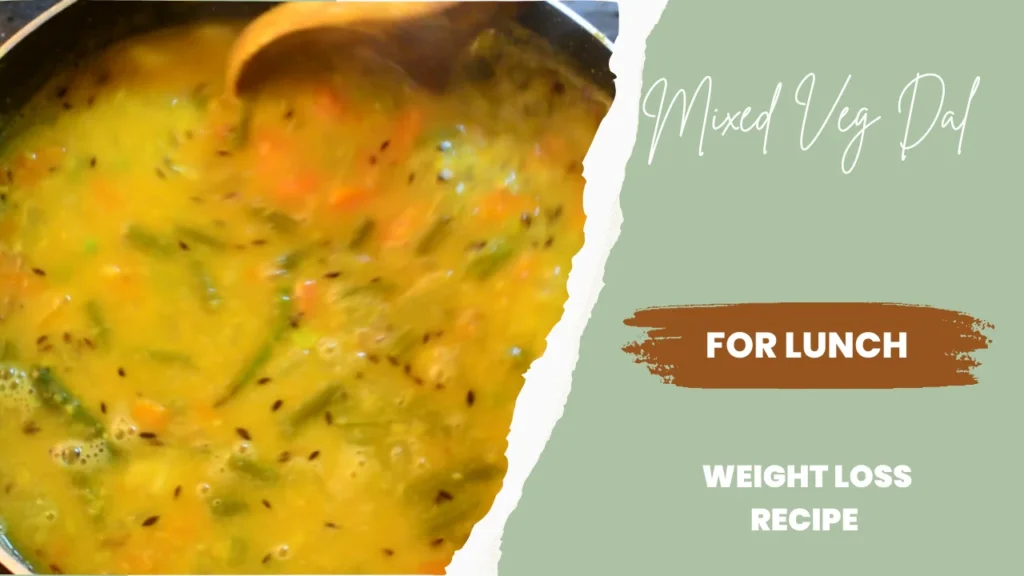
Lunch: Steamed carrots + moong dal
Evening: Chamomile tea
Dinner: Soft cooked rice + bottle gourd (lauki)
Why it works: Rehydrates and calms inflammation. This day sets the foundation of your Powerful diet plan for IBS recovery and gut relief .
Day 2: Bananas and Binding
Breakfast: Ripe banana + 1 tsp peanut butter (if tolerated)
Lunch: Boiled potato with cumin + soft cooked rice
Snack: Warm mint tea
Dinner: Moong dal khichdi with ghee
✔️ Why it works: Focuses on soluble fiber to bulk up stools and soothe gut lining.
Day 3: Add Protein Gently
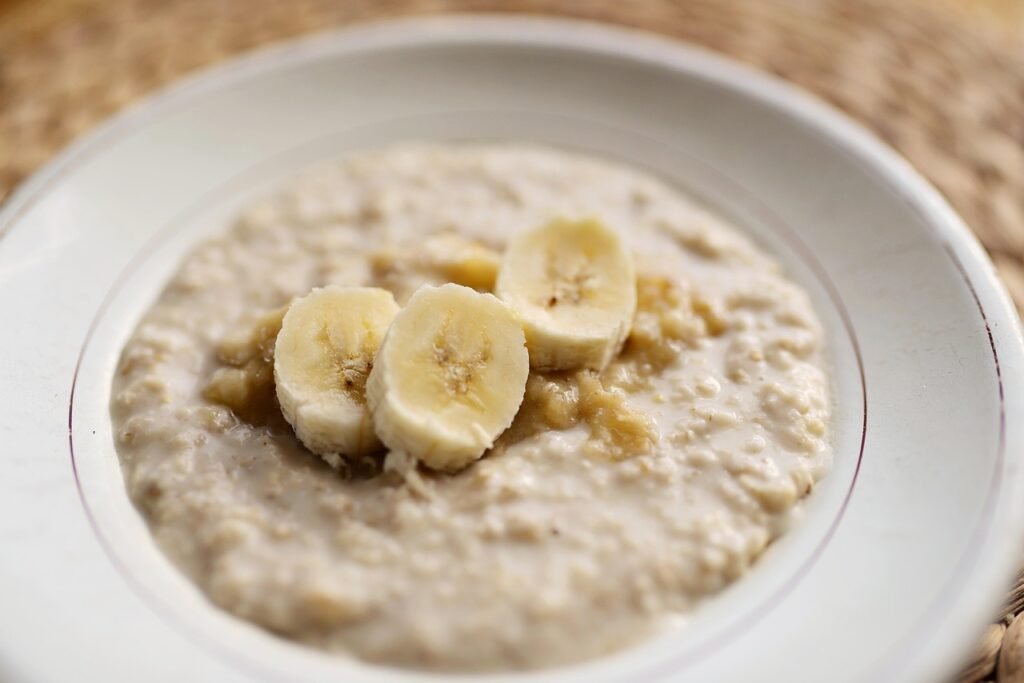
Breakfast: Suji upma with tiny grated carrot
Lunch: Soft cooked lentil soup (diluted) + rice
Evening: Ginger water
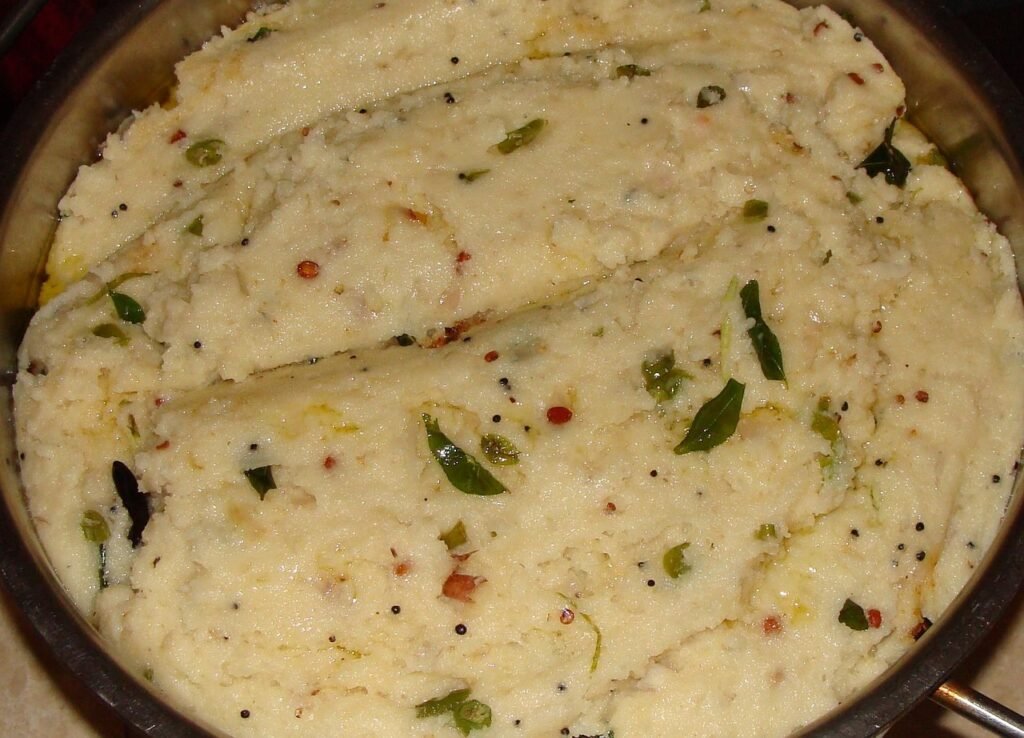
Dinner: Poha without onion, with curry leaves and mustard seeds
Nourishing Hydration
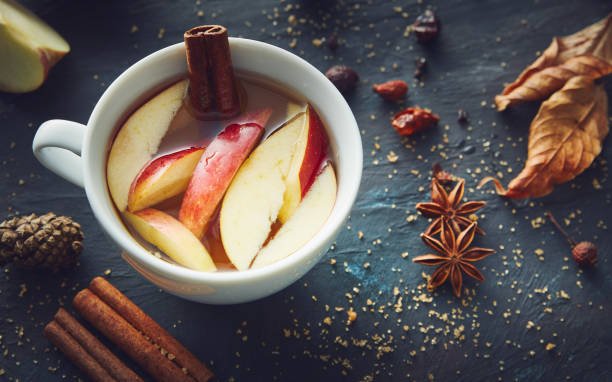
Breakfast: Cooked apple with cinnamon
Lunch: Mashed sweet potato with cumin + lauki sabzi
Snack: Coconut water
Dinner: Khichdi with bottle gourd + carom seed tea
✔️ This maintains your Powerful diet plan for IBS recovery and gut relief , focusing on hydration and gentle carbs.
Day 5: Gentle Fiber Comeback
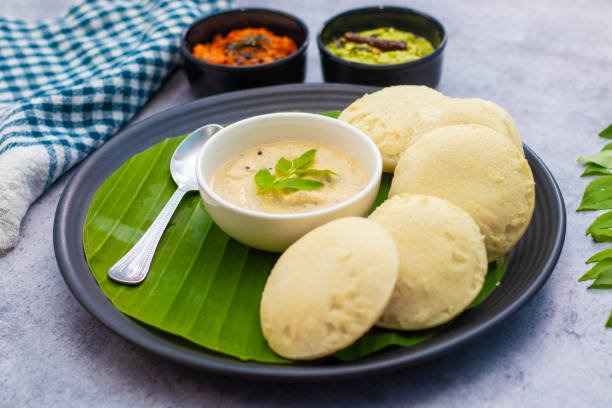
Breakfast: Steamed idli with mint chutney
Lunch: Moong dal + lightly mashed pumpkin sabzi
Snack: Cumin water
Dinner: Rice with spinach (well-cooked) + hing
Day 6: Herbal Recovery
Breakfast: Cooked suji halwa with ghee
Lunch: Masoor dal (strained) + plain rice
Snack: Peppermint tea
Dinner: Carrot-beet soup + soaked sabudana
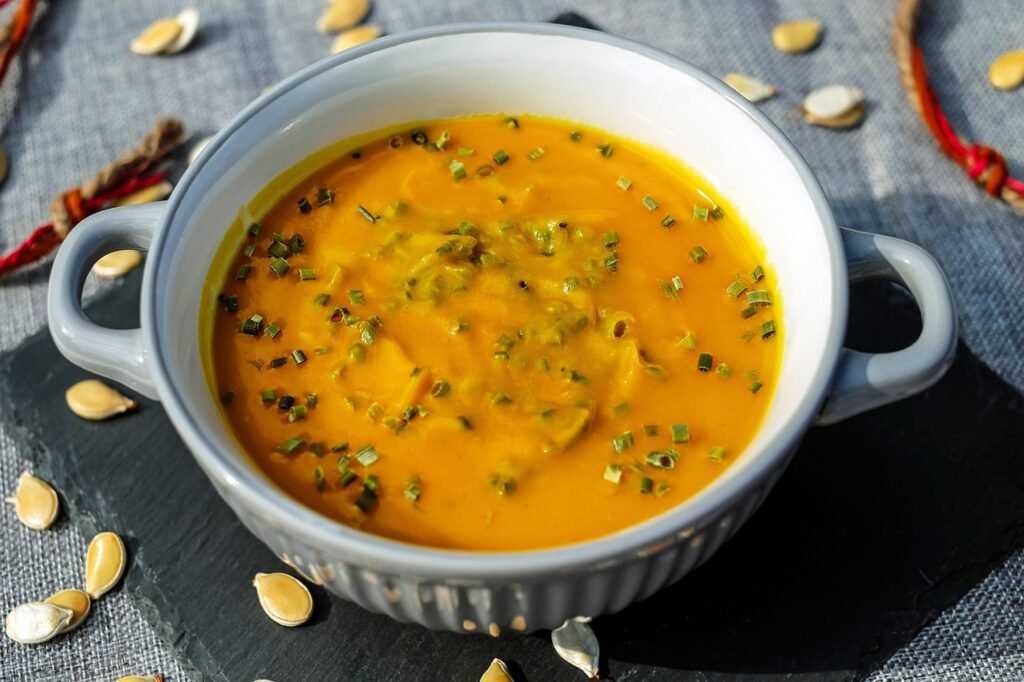
Day 7: Final Rebuilding
Breakfast: Rice flakes (chire) with warm milk (or almond milk)
Lunch: Quinoa + bottle gourd + mint
Snack: Coconut water
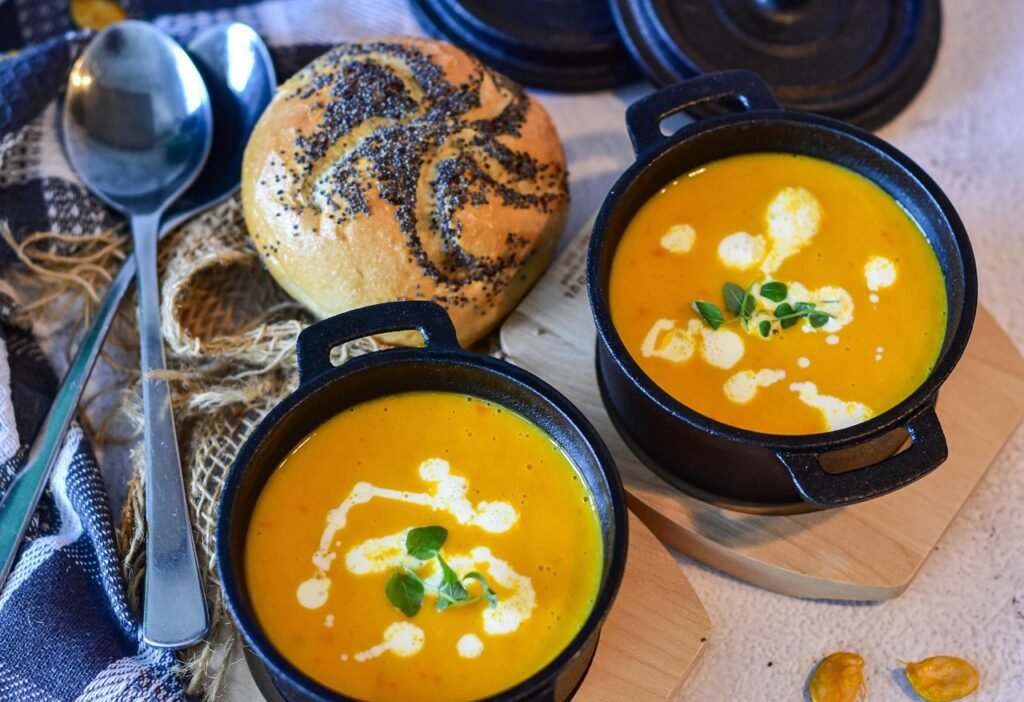
Dinner: Moong dal soup + jeera rice
Foods to Avoid During a Flare:
Raw veggies (especially onion, garlic)
Dairy (except A2 or lactose-free if tolerated)
Caffeine, spicy masalas, fried food
Excess fiber or wheat-based rotis
This is critical for maintaining the Powerful diet plan for IBS recovery and gut relief success.
Tips to Maximize Gut Healing
Eat small meals every 3 hours
Avoid multitasking while eating
Sip warm water between meals
Use ghee as a gut-healing fat
Journal your food response
When to Switch Back to Normal Diet?
Only after:
3+ days with no bloating or cramps
Normal bowel movements
Feeling energetic again
Transition gradually. Combine soft diet with low-FODMAP introduction.
Final thought of Powerful diet plan for IBS recovery and gut relief
Finding the right Powerful Diet Plan for IBS Recovery and Gut Relief is not about chasing quick fixes—it’s about creating a sustainable lifestyle that supports your digestive health every single day. The right balance of gentle, nutrient-rich foods and mindful eating habits can make all the difference in long-term relief.
When you follow a Powerful Diet Plan for IBS Recovery and Gut Relief, you focus on eliminating triggers like processed foods, excessive dairy, and certain high-FODMAP ingredients. At the same time, you nourish your gut with IBS-friendly choices such as cooked vegetables, lean proteins, low-acid fruits, soluble fiber, and soothing herbal teas.
One of the key benefits of a Powerful Diet Plan for IBS Recovery and Gut Relief is that it emphasizes meal timing and portion control. Smaller, more frequent meals can prevent gut overstimulation, while proper hydration—especially with calming drinks like ginger or peppermint tea—helps reduce bloating and cramping.
Adding supplements such as probiotics, omega-3 fatty acids, and magnesium into a Powerful Diet Plan for IBS Recovery and Gut Relief can enhance its effectiveness, especially when combined with stress-reducing activities like yoga, walking, or Tai Chi.
It’s important to remember that a Powerful Diet Plan for IBS Recovery and Gut Relief is not one-size-fits-all. Keeping a food and symptom journal helps you tailor the plan to your unique needs and identify what truly works for your body.
Ultimately, a Powerful Diet Plan for IBS Recovery and Gut Relief is about more than just food—it’s a way of living that supports your gut health, reduces flare-ups, and restores your confidence in eating. With consistency and patience, you can enjoy a life free from constant discomfort and reclaim your overall well-being.
FAQs of Powerful Diet Plan for IBS Recovery and Gut Relief
Q1. What should I eat for gut relief if I have IBS?
Focus on easily digested foods: cooked vegetables, gentle proteins (like chicken, fish, eggs, or tofu), low-FODMAP grains (rice, quinoa), and soluble-fiber foods like oats. Avoid common triggers like high-FODMAP veggies, heavy dairy, and excessive fats. :contentReference[oaicite:0]{index=0}
Q2. Can a low-FODMAP diet help with IBS symptoms?
Yes. A low-FODMAP diet can reduce symptoms like bloating, gas, and discomfort by limiting fermentable carbs that often trigger IBS. :contentReference[oaicite:1]{index=1}
Q3. Are there foods I should avoid when following this diet plan?
Yes — avoid foods that often trigger IBS: high-FODMAP foods, heavy dairy, gluten (if sensitive), fried or greasy foods, processed foods, excessive caffeine or artificial sweeteners. :contentReference[oaicite:2]{index=2}
Q4. How should I increase fiber intake safely for IBS?
Introduce fiber gradually — start with soluble fiber (like oats, cooked carrots, peeled potatoes, flaxseed) and increase slowly so your gut adjusts. This helps prevent gas and bloating. :contentReference[oaicite:3]{index=3}
Q5. Can this diet plan help with both constipation- and diarrhea-predominant IBS?
Yes — by focusing on gentle proteins, low-FODMAP and easily digestible carbohydrates, and balanced fiber and hydration, this plan helps support overall gut balance. Adjust fiber and fluid intake based on your subtype of IBS. :contentReference[oaicite:4]{index=4}
Q6. Can I include fermented or probiotic foods in an IBS-friendly diet?
Yes — including fermented or probiotic-rich foods like yogurt with live cultures or fermented vegetables may help support healthy gut flora and digestion. Introduce them slowly and choose low-FODMAP options to avoid triggering symptoms.
Q7. How important is hydration and portion control for IBS recovery?
Hydration and portion control are essential. Drinking enough water supports digestion and regular bowel movements, while eating moderate-sized meals and avoiding overeating helps prevent gut overload and IBS flare-ups.