Indian Spices for Digestion: 13 That Genuinely Settle My Gut (And How I Use Them)
📝 Quick Guide
What it is: The 13 everyday Indian spices I reach for when my gut is bloated, gassy or sluggish — ajwain, jeera, hing, saunf, ginger and more, plus how and when I use each.
Why it works: Several of these carry out gently on gas and cramping in ordinary kitchen amounts. For me, hing and ajwain do the most — they let me eat dal and sabzi without the onion-garlic aftermath.
Honest note: Spices ease symptoms; they don’t cure IBS or “heal” anything. I share what sits well with me, not medical advice. A few (like a heavy hand of clove or methi) can backfire in large amounts, so start small.
Indian spices for digestion are, honestly, half the reason I can still eat Indian food with IBS at all. When I was diagnosed in 2023, my first instinct was to strip everything back to plain, bland food. What actually helped more was the opposite — learning which spices in my own masala box settle the gut rather than irritate it, and leaning on those.
I want to be straight from the start: spices are not medicine, and none of these will cure IBS or “heal” your gut lining. What some of them do, reliably for me, is take the edge off gas, cramping and that heavy post-meal bloat. That’s a real, useful thing — it’s just not a miracle, and I’d rather tell you the truth than sell you one.
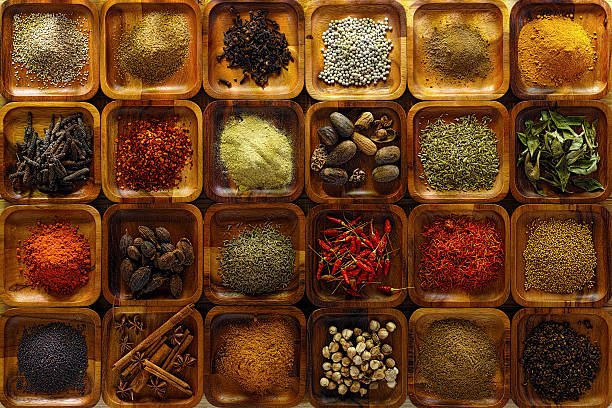
Here are the 13 I actually use, roughly in the order I reach for them.
Table of Contents
13 Indian Spices for Digestion
1. Ajwain (carom seeds)
My number one for gas. On a bloated evening I dry-roast half a teaspoon (about 2.5 ml), crush it, and take it with a little rock salt (sendha namak) in warm water. It’s the fastest relief I get from anything in the kitchen. I also add a pinch to anything that tends to feel gassy — chana, rajma, even a heavy sabzi.
2. Jeera (cumin seeds)
The everyday workhorse. Jeera in the tadka, jeera powder over chaas (buttermilk), roasted jeera in my nightly bowl of dal. It settles heaviness after a big meal and it’s about as gentle as spices get. If I had to keep only two of this whole list, jeera and hing would be it.
3. Hing (asafoetida)
This is the one that changed things for me. Onion and garlic are my clearest triggers, and a pinch of hing bloomed in hot oil gives that same savoury depth without either. Every onion-free dal and sabzi I make leans on it. A little goes a long way — too much and it turns bitter.
4. Saunf (fennel seeds)
Cooling and calming, which is why it’s the after-meal chew in so many Indian homes. I roast a little and chew it after lunch, or boil a teaspoon (5 ml) into a light tea when I feel acidic. In summer it’s especially nice.
5. Ginger (adrak, fresh or dried saunth)
Good for that sluggish, off-appetite feeling and mild nausea. I grate fresh ginger into sabzi and tea, and on a heavy morning I’ll have a slice steeped in warm water. It’s warming, so I keep it modest if I’m already feeling acidic.
6. Turmeric (haldi)
The everyday anti-inflammatory of the spice world, used in almost everything I cook. I won’t overclaim here — turmeric isn’t going to repair a gut on its own — but a normal cooking amount is gentle and I like a little with warm milk at night. Very large doses can irritate the stomach, so I keep it to cooking quantities.
7. Black pepper (kali mirch)
A small pinch helps my body take more from turmeric (the two work better together), and it wakes up a bland dish. I use it lightly — pepper is warming and a heavy hand can feel harsh on a sensitive gut.
8. Clove (laung)
Warming and good for that stalled, heavy feeling. I boil one or two cloves into water occasionally, or use them in a spice blend. This is one to respect — clove is strong, and more than a couple can be too much, so I keep it to one or two.
9. Coriander seeds (dhaniya)
Cooling, which suits me when a flare feels hot and acidic rather than gassy. I soak a teaspoon (5 ml) overnight and drink the water in the morning. Mild, pleasant, no drama.
10. Cinnamon (dalchini)
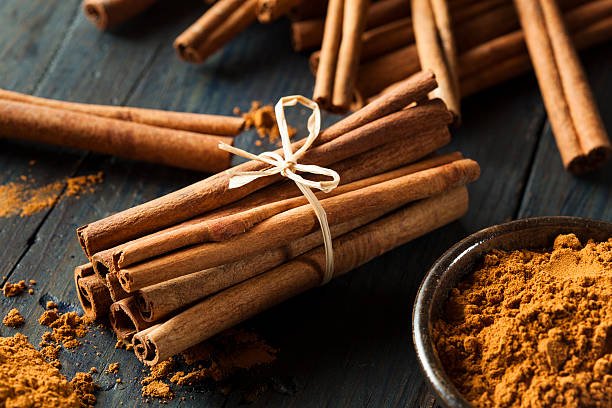
I use this less for digestion and more because it’s warming and pleasant in tea, and it takes the edge off sugar cravings for me. A small stick or a pinch of powder is plenty.
11. Bay leaf (tej patta)
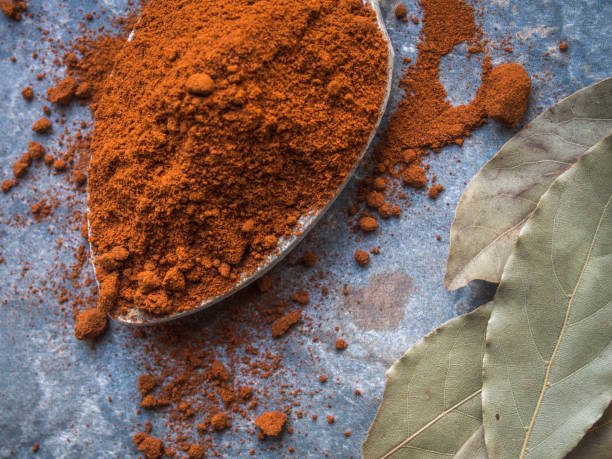
Goes into dal and soups to lift heaviness after an oily meal. Bay Leaves is subtle — not a dramatic fixer, but a gentle background helper I always have in.
12. Mustard seeds (rai)
Mainly a tempering spice for me — in the tadka for sabzi and kadhi. It adds flavour and a little warmth. I don’t rely on it for symptom relief the way I do ajwain or hing, but it earns its place in the pan.
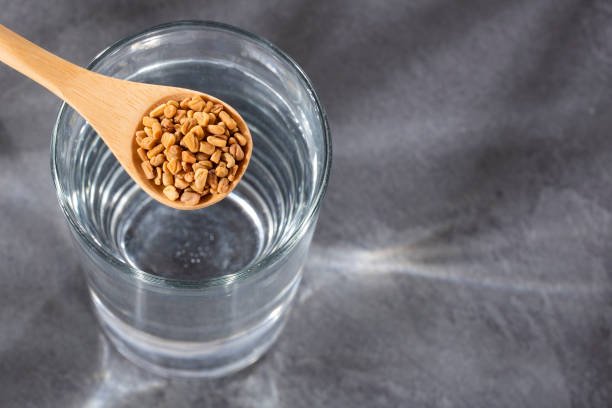
13. Fenugreek (methi seeds)
I soak half a teaspoon (2.5 ml) overnight and chew them in the morning. Slightly bitter, but they sit well with me. Worth a small honest flag: methi can loosen things for some people, so start with a tiny amount and see.
How do I use Indian spices for digestion day to day?
I don’t do anything elaborate. Roughly, this is how they land across my day:
- Morning: soaked methi or coriander water, or a light ajwain tea if I woke up bloated
- Cooking: jeera, hing and mustard in the tadka; turmeric in almost everything
- After meals: saunf or ajwain with a little rock salt
- Evening: ginger or a clove in soup or khichdi; a pinch of turmeric with warm milk at night
The trick isn’t taking all 13. It’s using two or three that suit you, consistently.
What’s my quick spice mix for bloating?
When I want one thing to keep on the shelf, I make a small jar of this: 1 tablespoon (15 ml) cumin (jeera), 1 tablespoon (15 ml) fennel (saunf), ½ tablespoon (7.5 ml) ajwain, ½ teaspoon (2.5 ml) hing, and rock salt to taste. Dry-roast, grind, store in a glass jar. Half a teaspoon in warm water after a heavy meal, or sprinkled over food.
That jar covers most of what I need on a normal week.
A quick word on what spices can and can’t do
I keep coming back to this because it matters. Spices can ease gas, calm mild cramping and make heavy food easier to sit with. They cannot cure IBS, undo a genuine food intolerance, or replace figuring out your actual triggers. If your symptoms are severe or new, that’s a doctor’s job, not a masala box’s. For me, spices are a daily comfort layer on top of the real work — knowing my triggers and eating around them.
If you want more on that, here’s my onion-free high-protein dal and my gut-friendly kitchen essentials, both built around these same spices.
Onion-free high-protein dal → Gut-friendly kitchen essentials → IBS-friendly Indian dinner ideas Anti Inflammatory Drink
Frequently Asked Questions
Which Indian spices help with digestion?
Cumin (jeera), ajwain, hing, fennel (saunf), ginger, coriander and turmeric are the ones I lean on most. They can ease gas, bloating and post-meal heaviness in normal cooking amounts, though everyone’s gut responds differently.
How does cumin help digestion?
Jeera is gentle and settles heaviness after a big meal, which is why it goes in so much everyday cooking. I use it in the tadka, over buttermilk, and in my nightly dal.
Is turmeric good for digestive issues?
In normal cooking amounts, turmeric is a mild, gut-friendly spice I use daily. I would avoid overclaiming, though. It will not repair a gut on its own, and very large doses can irritate the stomach, so keep it to cooking quantities.
How do fennel seeds help with bloating?
Saunf is cooling and calming, which is why it is a classic after-meal chew. I roast a little and chew it after lunch, or boil it into a light tea when I feel acidic.
Are there any downsides to using Indian spices for digestion?
In moderation they are generally fine. A few are strong. Clove, methi and a heavy hand of turmeric or pepper can backfire in large amounts. Start small, and check with a doctor if your symptoms are severe or ongoing.
🌿 Love gut-friendly recipes? Add Caloriematterss as your Google Preferred Source so my low-FODMAP, high-protein recipes show up more often for you. Set Caloriematterss as a preferred source →