What Can I Eat for IBS? Try This Gut-Friendly South Indian Avarekalu Chutney
📌 TL;DR
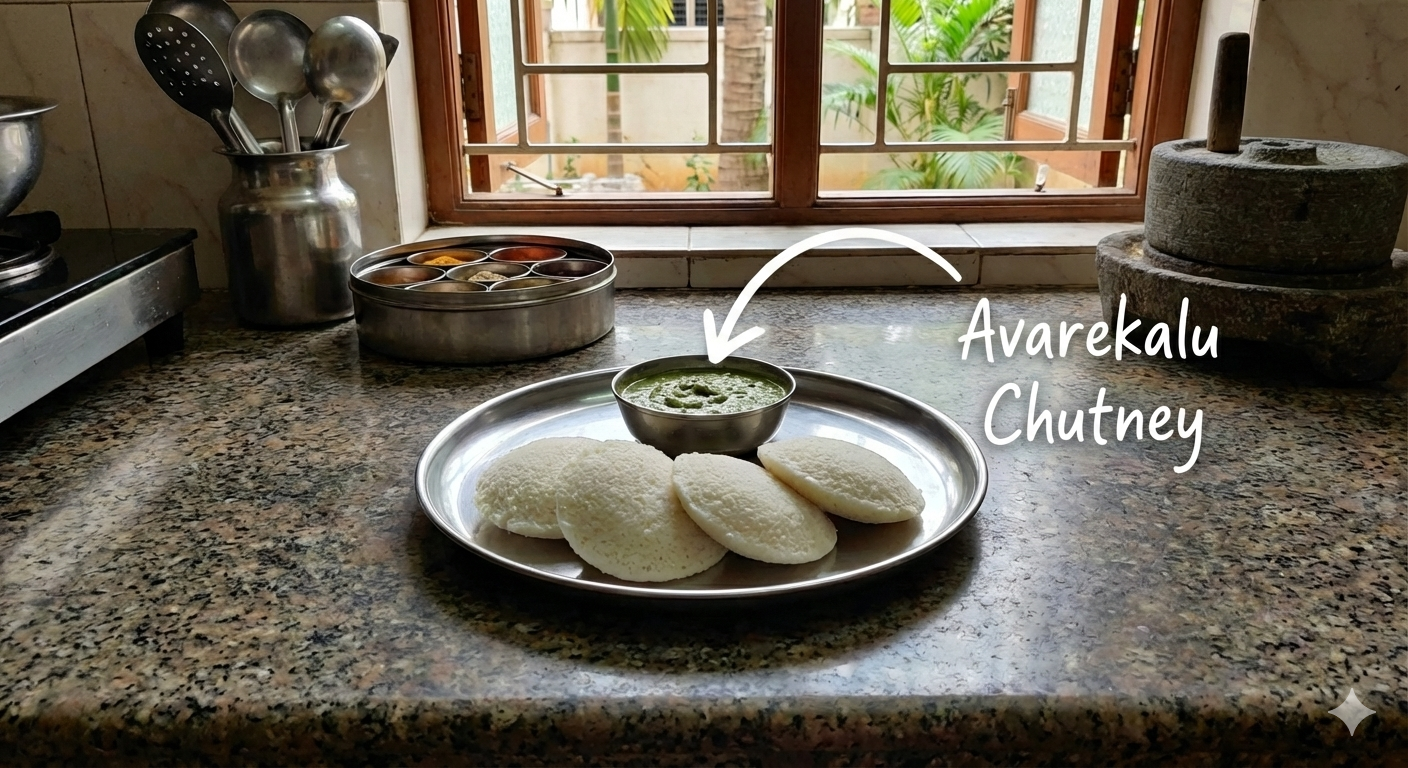
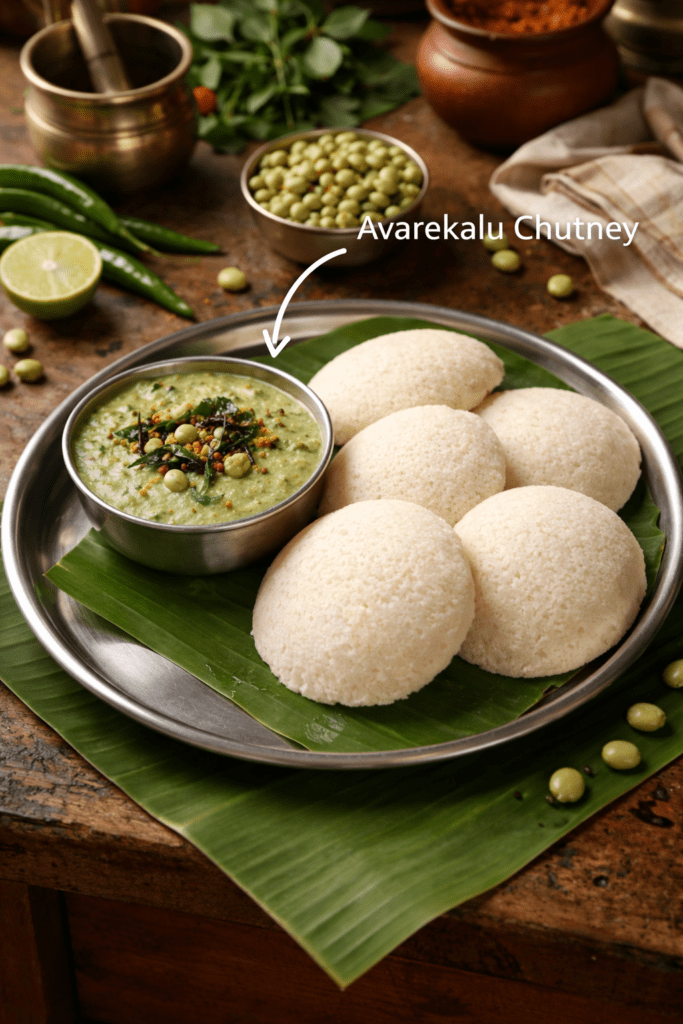
What it is: A South Indian chutney made from steamed avarekalu (hyacinth beans), coconut, and gentle spices
Why it works for IBS: Soothing, fibre-rich, and easy on the gut — best eaten in small portions
Eat it with: Idli, dosa, rice and ghee, or alongside a simple egg omelette or fish fry
IBS note: Skip the shallots for a fully low-FODMAP version — replace with a little ginger
The golden rule: Eat in small portions — overeating, even safe food, triggers IBS
What Can You Eat for IBS When You’re a Foodie Who Doesn’t Want to Give Up?
What can i eat for IBS ,this is the question that took over my life for a while. I am a Bengali and a foodie at heart, and after my IBS diagnosis the hardest part was not the symptoms — it was feeling like I had to give up the food I loved.
So instead of giving up, I started looking outward. I began exploring food from other states, experimenting with regional dishes I had never cooked before, hunting for things that were gentle on my gut but still genuinely exciting to eat. This avarekalu chutney is one of the best things I found.
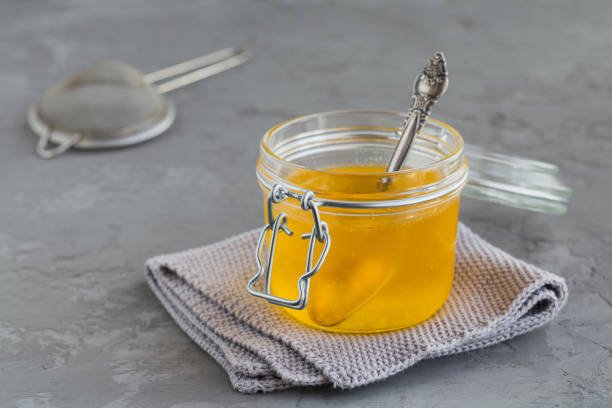
I make it often and eat it with idli, or with rice and ghee, or alongside a simple egg omelette or a piece of fish fry. After a meal like this, I honestly forget I have IBS at all.
There is one rule though, and it matters more than the recipe itself: do not overeat. Overeating is one of the worst things you can do with IBS — even with safe food, too much at once brings instant bloating and pain. Whatever you eat, eat it in small portions. That single habit changed my relationship with food more than any specific ingredient did. This is one of my South India Friend Recipe, she told me try it as IBS it will now effect it . I did and it’s goes fine with me. But be careful with coconut use onion use ,that may be trigger some of you .
Table of Contents
Why Is Avarekalu Chutney Good for IBS?
Avarekalu (hyacinth beans) are a much-loved seasonal bean in Karnataka and Tamil Nadu, celebrated in winter and used in many traditional dishes. Turning them into a chutney is both practical and gentle — it brings together nutrition, flavour, and digestive care in a small, portion-controlled side dish.
The combination of ingredients is what makes it work for a sensitive gut. Avarekalu provides soluble fibre and plant protein, which support regular bowel movement. Urad dal (black gram) and chana dal (Bengal gram), when sautéed well before grinding, become easier to digest and add a nutty depth without heaviness. Shallots are milder than regular onions, which makes them more tolerable than a full onion base for many people. Tamarind adds a gentle tang and supports bile production, which aids digestion. Coriander roots and leaves help cool the digestive system and reduce inflammation. And coconut, ground raw, adds healthy fats and a soothing texture.
A quick honest note: because this chutney does contain shallots, urad dal, and chana dal, it suits stable days better than active flare days. If your gut is very sensitive, see the low-FODMAP tweak below — skipping the shallots and keeping the portion small makes it much gentler.
What Are the Ingredients for Avarekalu Chutney?
Makes a small batch | Prep and cook: 25 minutes
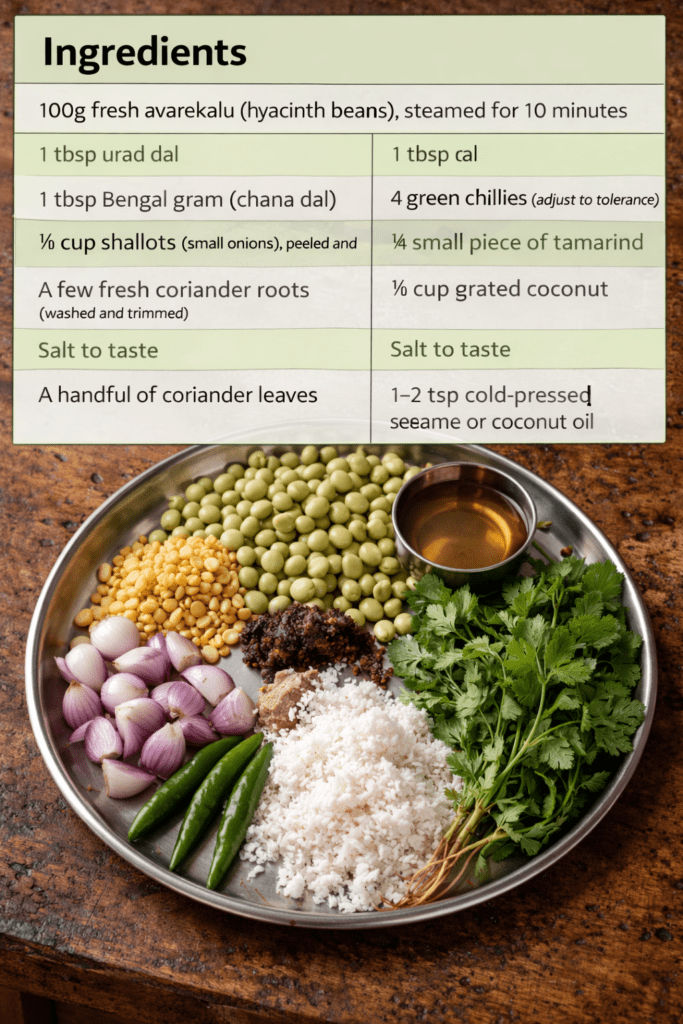
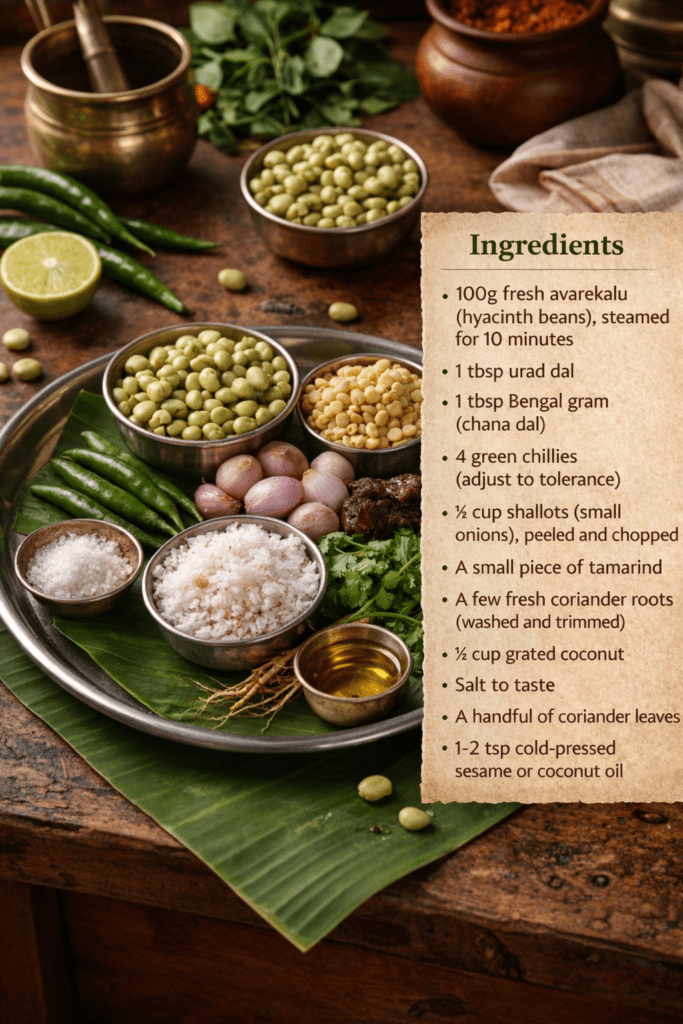
- 100g (approx. 3.5 oz) fresh avarekalu (hyacinth beans), steamed for 10 minutes
- 1 tbsp urad dal (black gram)
- 1 tbsp chana dal (Bengal gram)
- 4 hari mirch (green chillies), adjust to tolerance
- ½ cup shallots (small onions), peeled and chopped — skip for low-FODMAP, see tweaks
- A small piece of imli (tamarind)
- A few fresh dhania (coriander) roots, washed and trimmed
- ½ cup grated coconut (nariyal)
- Salt to taste
- A handful of dhania (coriander) leaves
- 1 to 2 tsp cold-pressed til (sesame) or coconut oil
How Do You Make Avarekalu Chutney Step by Step?
Step 1 — How Do You Prepare the Beans?
Steam 100g (approx. 3.5 oz) of fresh avarekalu (hyacinth beans) for about 10 minutes, until soft but not mushy. Set aside to cool.
Step 2 — How Do You Sauté the Dals?
Heat the oil in a pan. Add the urad dal and chana dal. Sauté until golden brown — this step is what makes the dals easier to digest, so do not rush it.
Step 3 — How Do You Add the Aromatics?
Add the green chillies and shallots to the pan. Sauté well until the shallots are translucent and soft.
Step 4 — How Do You Bring It Together?
Add the steamed avarekalu, the small piece of imli (tamarind), and the fresh coriander roots. Sauté for another 2 to 3 minutes. Remove from heat and allow to cool slightly.
Step 5 — How Do You Grind It?
Add the sautéed mixture to a mortar and pestle or a grinder, along with the grated coconut, salt, and fresh coriander leaves.
Step 6 — Should You Hand-Grind or Blend?
Hand-grinding without adding water gives the best texture. If using a blender, add only a very little water to avoid a sticky consistency. The mortar-and-pestle method also connects you to a slower, more mindful way of preparing food — which, with IBS, is a habit worth keeping.
How Do You Serve Avarekalu Chutney?
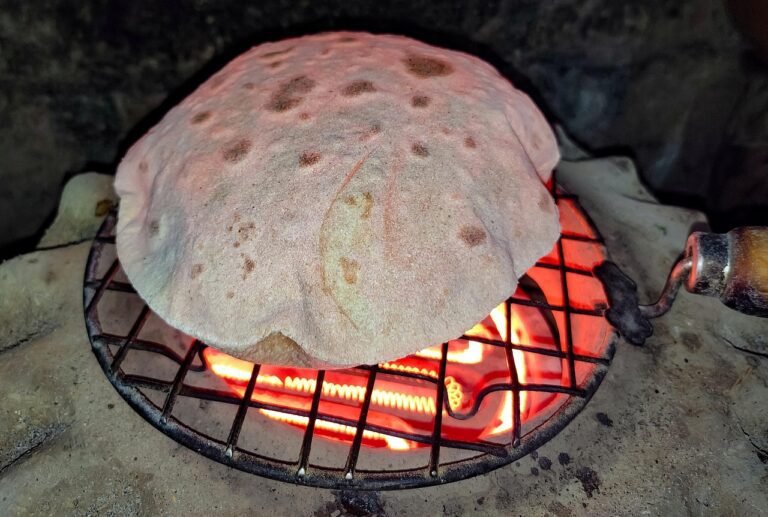
This chutney is versatile. Serve it as a side with idli, dosa, or steamed rice. Spread it on roti or flatbread for a fibre-boosted lunch. Use it as a filling in wraps with sautéed vegetables. Or serve it with millets or a broken-rice porridge for a soothing, gentle meal. My own favourite is simply idli, or rice and ghee, with a fish fry on the side.
How Can You Adapt This Recipe for a Sensitive Gut?
A few small tweaks make this chutney gentler depending on how your gut is feeling. Reduce the green chillies for a less spicy version. Add a few curry leaves while sautéing for extra flavour. If fresh coconut is not available, use dry coconut but soak it in warm water first.
For a fully low-FODMAP version, skip the shallots entirely, or replace them with a small amount of ginger — this removes the highest-FODMAP ingredient in the recipe and makes it suitable even on more sensitive days.
How Do You Store Avarekalu Chutney?
Store the chutney in a glass container in the refrigerator for up to 2 days. Because it contains steamed beans and fresh coconut, it is best eaten quickly to retain freshness and flavour. Avoid adding water if you are storing it, as this shortens its life further. This is a chutney to make in small, fresh batches rather than large quantities — which fits the small-portion approach that works best for IBS anyway.
In the subject of What I can Eat for IBS ? This recipe is a celebration of Seasonal Wisdom
Avarekalu is a much-loved seasonal bean in Karnataka and Tamil Nadu, celebrated during winter and often featured in traditional dishes. Turning it into a chutney is both innovative and practical—bringing together the best of nutrition, flavor, and digestive care. Using mortar and pestle to grind the chutney connects you to a slower, more mindful way of preparing food, enhancing both taste and intention.
Conclusion of What I can eat For IBS ?
This Avarekalu Chutney is not just a dip or side—it’s a healing blend of legumes, spices, and seasonal vegetables that supports your gut and satisfies your taste buds. Whether you’re managing IBS or simply want to eat cleaner, this recipe offers a grounding, protein-rich way to stay nourished.
Try this at home and tag @caloriematterss with your version. Let your chutney tell the story of healing, tradition, and thoughtful eating.
You may also like this Tamoto Pachadi recipe
Read More about IBS in this article by Cleveland Clinic
Frequently Asked Questions
What can I eat for IBS when my stomach feels sensitive?
When your stomach feels sensitive, choose simple, well-cooked foods in small portions, such as steamed vegetables, moong dal, rice, curd, and mild chutneys made without shallots. Small, frequent meals with light seasoning and minimal oil are generally easier on the gut than large, heavy meals.
Is avarekalu (hyacinth beans) safe for IBS?
For many people, yes, when eaten in moderation. Soft, well-cooked avarekalu provides plant protein and soluble fibre that can support digestion. If beans are one of your personal IBS triggers, begin with a small serving and increase only if your gut tolerates it well.
Can people with IBS eat coconut?
Yes. Fresh grated coconut is generally well tolerated in moderate amounts and is considered low FODMAP in small portions. It adds healthy fats and a creamy texture, but very large amounts may be harder to digest because of the higher fat content.
Is this chutney suitable during an IBS flare-up?
This chutney is better suited to stable IBS days than active flare-ups. For a gentler version, leave out the shallots, use a little fresh ginger instead, reduce the green chillies, and enjoy only a small portion. During severe flares, very simple foods like plain moong dal khichdi are often the safest option.
Can I make this recipe low-FODMAP?
Yes. Simply replace the shallots with a small amount of fresh ginger, reduce the green chillies, and keep the serving size moderate. With those changes, the avarekalu, coconut, tamarind, and coriander make this chutney much more suitable for a low-FODMAP, IBS-friendly diet.
🌿 Love gut-friendly recipes? Add Caloriematterss as your Google Preferred Source so my low-FODMAP, high-protein recipes show up more often for you. Set Caloriematterss as a preferred source →