IBS-Friendly Indian Breakfast: 11 Gentle Morning Ideas That Don’t Trigger My Bloating
📝 Quick Guide
What it is: Eleven warm, gentle IBS-Friendly Indian breakfasts I actually eat with IBS — moong chilla, soft idli, poha, upma, ragi porridge, soft khichdi and more, all without onion, garlic or heavy masala.
Why it works: Warm, cooked, low-fat and mostly low-FODMAP food that digests easily first thing, so my mornings start calm instead of gassy and bloated.
Honest IBS/low-FODMAP note: Most of these are low-FODMAP in normal portions. Besan (dhokla, chilla) and sweet potato are moderate for some people, so I flag them. IBS is individual — test one breakfast at a time and keep portions gentle.
IBS-friendly Indian breakfast is the meal I’ve thought about the hardest, because mornings are when my gut is at its most sensitive. One wrong bite first thing — something fried, or a chai on an empty stomach — and the whole day tips into gas, cramping and that foggy, lie-down-and-cancel-everything feeling. So over the years since my IBS diagnosis in 2023, I’ve built a small set of breakfasts that start my day calm instead of setting off a flare.
These are recipes I actually eat, not a generic list. They’re warm, cooked, gentle, and free of the usual triggers: onion, garlic, heavy masalas and fried oil. None of it is about eating sad or bland food — it’s about choosing the versions that my gut can handle, so breakfast feels like comfort rather than a gamble.
Let me walk you through how I build them, then the eleven themselves.
Why do IBS symptoms flare up in the morning?
Mornings are a vulnerable time for a sensitive gut, especially if you slept badly, skipped dinner, ate something heavy or fried the night before, or you’re rushing and stressed. Your digestion is essentially starting cold. That’s why the first meal matters so much: warm, easy-to-digest food gets things moving gently, while cold, raw or greasy food asks too much too soon.
So the whole principle behind these breakfasts is simple — start warm, start gentle, and don’t shock the system.
My rules for building an IBS-friendly Indian breakfast
A few habits I stick to:
- Choose cooked, warm foods over cold or raw ones
- Skip onion, garlic, and heavy wheat or excess besan
- Add gentle spices that help digestion — cumin (jeera), ajwain, fennel (saunf)
- Include a small spoon of ghee where it fits
- Avoid chai, curd or milk-and-fruit combinations on an empty stomach
1. Moong dal chilla with mint chutney
Soaked moong dal blended with cumin (jeera) and ajwain, cooked thin in a little ghee or cold-pressed oil, served with a garlic-free pudina-coconut chutney. It’s light, protein-rich, gluten-free and one of my most-made breakfasts. Moong is the gentlest dal on my gut, which is why this is a safe everyday option.
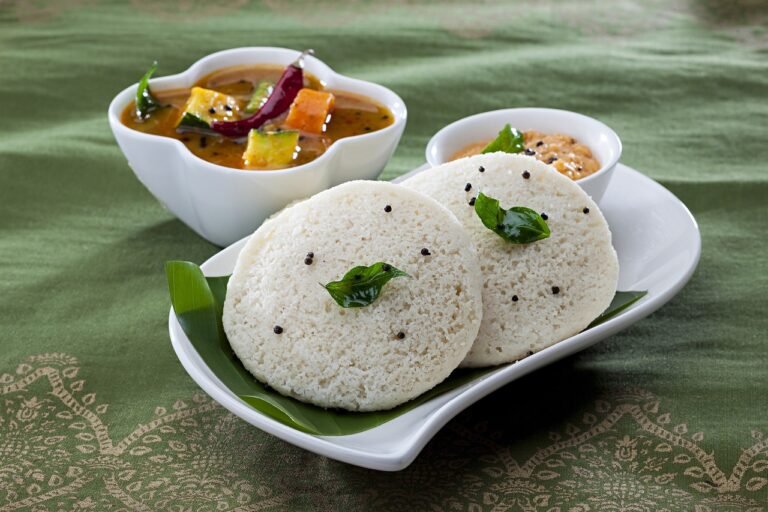
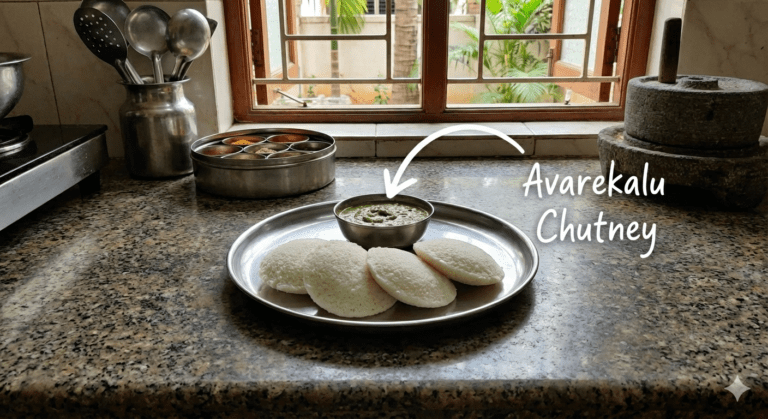
2. Soft idli with hing-coconut chutney
Use a well-fermented batter and keep it soft. I skip sour curd and fried sambar, and add a pinch of asafoetida (hing) to the chutney for digestion. Fermentation makes idli gentle and gives a little probiotic benefit, and the soft texture is easy first thing.
3. Sweet potato mash with ghee and black salt
Steamed sweet potato (shakarkandi) mashed with a little ghee, rock salt (sendha namak) and roasted jeera powder. It’s warming, filling and rich in magnesium. Honest note: sweet potato is moderate-FODMAP in larger amounts, so I keep the portion to about half a medium one and it sits fine.
4. Steamed dhokla (homemade)
Besan-based but fermented, which makes it far easier to digest than plain besan, and steamed rather than fried. I temper it with just mustard seeds, curry leaves and hing — no garlic. Honest note: besan (chickpea flour) is higher-FODMAP for some people even when fermented, so if chickpea flour tends to bother you, keep the portion small or lean on the moong and rice options instead.
5. Suji upma with vegetables and ginger
Roasted suji (semolina) cooked with carrot, a few beans and a little grated ginger and curry leaves, no onion, no green chilli. Light, warm and quick — a good gentle option when I want something savoury and fast.
6. Rice poha with carrot and fennel
Thick poha, washed and steamed soft, with grated carrot, turmeric (haldi), fennel (saunf) and a squeeze of lemon. Soothing and easy, a nice source of gentle carbs and iron. This is one of my go-to lazy mornings.
7. Ragi porridge with almonds and cardamom
Ragi flour (finger millet) cooked smooth with water or a little coconut milk, finished with a touch of jaggery, cardamom (elaichi) and a few chopped almonds. Rich in calcium and grounding. I keep the jaggery small and the almonds to about six, since almonds are only low-FODMAP in small amounts.
8. Fennel-jeera khichdi (soft cooked)
Rice and moong dal cooked soft, almost soupy, with cumin (jeera), fennel (saunf) and a little ghee. This is my comfort breakfast on a rough gut morning — full of gentle fiber and protein, and about as easy to digest as a meal gets.
9. Banana with ghee and cinnamon
One ripe banana (a small elaichi banana if you can get them) with a drizzle of ghee and a pinch of cinnamon (dalchini). Simple, quick, and gentle on the bowel. A ripe banana is low-FODMAP; an under-ripe one less so, so let it ripen.
10. High-fiber lentil bread (dal buns or chilla rolls)
A gluten-free, protein-rich lentil bread you can use like a bun or roll, filled with mint chutney or banana. It doesn’t leave me bloated the way wheat toast does. (Honest correction from an earlier version of this post: I’ve dropped the psyllium husk that used to be listed here — it’s a bulking laxative, not a breakfast staple. The fiber from the lentils is plenty.)
Full recipe: my high-protein lentil buns.
11. Tulsi-ginger tea with steamed apple or pear
A mini breakfast for flare mornings when I can’t face anything solid. Tulsi and ginger are soothing, and steamed apple or pear is far gentler on the gut than raw fruit. Light, warm, and enough to settle me until I’m ready for more.
A gentle weekly rotation
If it helps to see it as a plan, here’s roughly how I rotate them across a week:
- Monday: moong chilla + mint chutney + tulsi tea
- Tuesday: idli + hing chutney + fennel water
- Wednesday: ragi porridge + almonds, or banana with cinnamon
- Thursday: poha + grated carrot + jeera-ajwain water
- Friday: upma + a simple sabzi + tulsi tea
- Saturday: soft khichdi (cucumber on the side if not flaring)
- Sunday: sweet potato mash + tea + a few soaked walnuts
Variety keeps it interesting and spreads the nutrients, without any morning being heavy.
What breakfast foods do I avoid with IBS?
The ones that reliably cause me trouble first thing:
- Full dairy curd on an empty stomach — for me the lactose and acidity can bring on bloating; I have curd later in the day, or use hung curd (strained yogurt) or a dairy-free option. (This is about lactose and acidity, not “mucus” — that’s a myth worth ignoring.)
- Bread and bakery items — gluten and yeast tend to sit heavy on a sensitive gut.
- Raw salad or raw sprouts — too rough for weak morning digestion; I cook or steam instead.
- Spicy chutneys and fried snacks — the heat and oil both aggravate things and drain my energy.
Final thoughts
A good IBS-friendly Indian breakfast shouldn’t feel like a punishment — it should feel like coming home to your gut. Whether you’re dealing with bloating, urgency or acidity, the right first meal genuinely changes the whole day for me. Start simple, listen to your own gut, and rotate the ones that feel gentle. Warm, cooked, real food, eaten on a rhythm — that’s the whole secret, and it’s a kind one.
If you’d like more, here are my IBS night food ideas and my Indian spices for digestion, both built on the same gentle principles.
More Breakfast – Gluten Free High Protein Oats Chilla Breakfast & Blueberry Chia Pudding
Frequently Asked Questions
What makes an Indian breakfast IBS-friendly?
It is warm, cooked and built on low-FODMAP ingredients like rice, moong dal, poha, and gentle vegetables, seasoned with cumin, fennel and hing instead of onion and garlic. Skipping fried food and heavy masala keeps it easy on the gut.
Which IBS-friendly breakfasts still taste authentic?
Moong dal chilla, soft idli with coconut chutney, poha with fennel, and soft khichdi are all gentle on the gut but still full of flavour. You do not lose the comfort of Indian food by making it IBS-friendly.
Can I customise these for my own IBS triggers?
Yes. Swap onion and garlic for asafoetida (hing), use a lactose-free or dairy-free option if curd bothers you, and adjust spice levels. Always test a new ingredient in a small amount first.
Is besan (chickpea flour) okay for IBS?
It varies. Fermenting it (as in dhokla) makes it easier to digest, but besan is higher-FODMAP for some people, so keep portions small and see how you feel. If it is a clear trigger, lean on moong and rice-based breakfasts instead.
What should I drink with an IBS-friendly breakfast?
Warm, gentle options like tulsi-ginger tea, fennel water or jeera-ajwain water work well. I avoid chai and coffee on an empty stomach, since caffeine first thing can trigger cramping for me.
🌿 Love gut-friendly recipes? Add Caloriematterss as your Google Preferred Source so my low-FODMAP, high-protein recipes show up more often for you. Set Caloriematterss as a preferred source →