What to Eat When You Have a Sensitive Stomach but Still Want Protein ?
📌 TL;DR
The problem: Many high-protein foods are also high in things that ferment in the gut and cause bloating
Easiest to digest: Moong dal, eggs, fish, chicken, paneer in moderation, curd, tofu
The key idea: It is not about avoiding protein — it is about choosing sources with a lower fermentation load
Preparation matters: Light cooking with minimal oil is far gentler than heavy, oily, or deep-fried versions of the same food
IBS-friendly: Yes — these are the gentlest protein sources for a sensitive gut
Why Is It So Hard to Hit Protein Goals With a Sensitive Gut ?
Struggling to hit protein goals without wrecking your gut? Here are the high protein foods easy to digest that actually work — moong dal, eggs, fish, curd and more. . Here is the basic problem: many of the best protein sources are also high in things that ferment in your gut. Legumes have oligosaccharides. Dairy has lactose. Eggs, for some people, are fine until they are not. Your gut bacteria decide what to do with all of it.
When digestion is already sensitive, protein sources that require more work trigger gas, bloating, and cramping. This does not mean you cannot eat protein. It means finding your personal list of easy-to-digest protein sources — and rotating those.
This post is the list I actually eat, built over time around what my own gut tolerates. Your list may differ slightly, but these are the protein sources that are gentle for most people with a sensitive stomach.
Table of Contents
Why Do Some Protein Foods Cause More Bloating Than Others?
When you eat beans, lentils, or chickpeas, certain carbohydrates in them travel to your large intestine undigested. Gut bacteria ferment them there. Fermentation produces gas. Gas causes bloating.
This is why rajma hits differently than moong dal — both are protein sources, but their fermentation load is completely different. Understanding this changes how you look at protein. It is not about avoiding protein. It is about choosing protein sources with lower fermentation potential, and preparing them in a way that makes them easier to break down.
What Are the Best High Protein Foods Easy to Digest ?
Is Moong Dal the Gentlest High Protein Food?
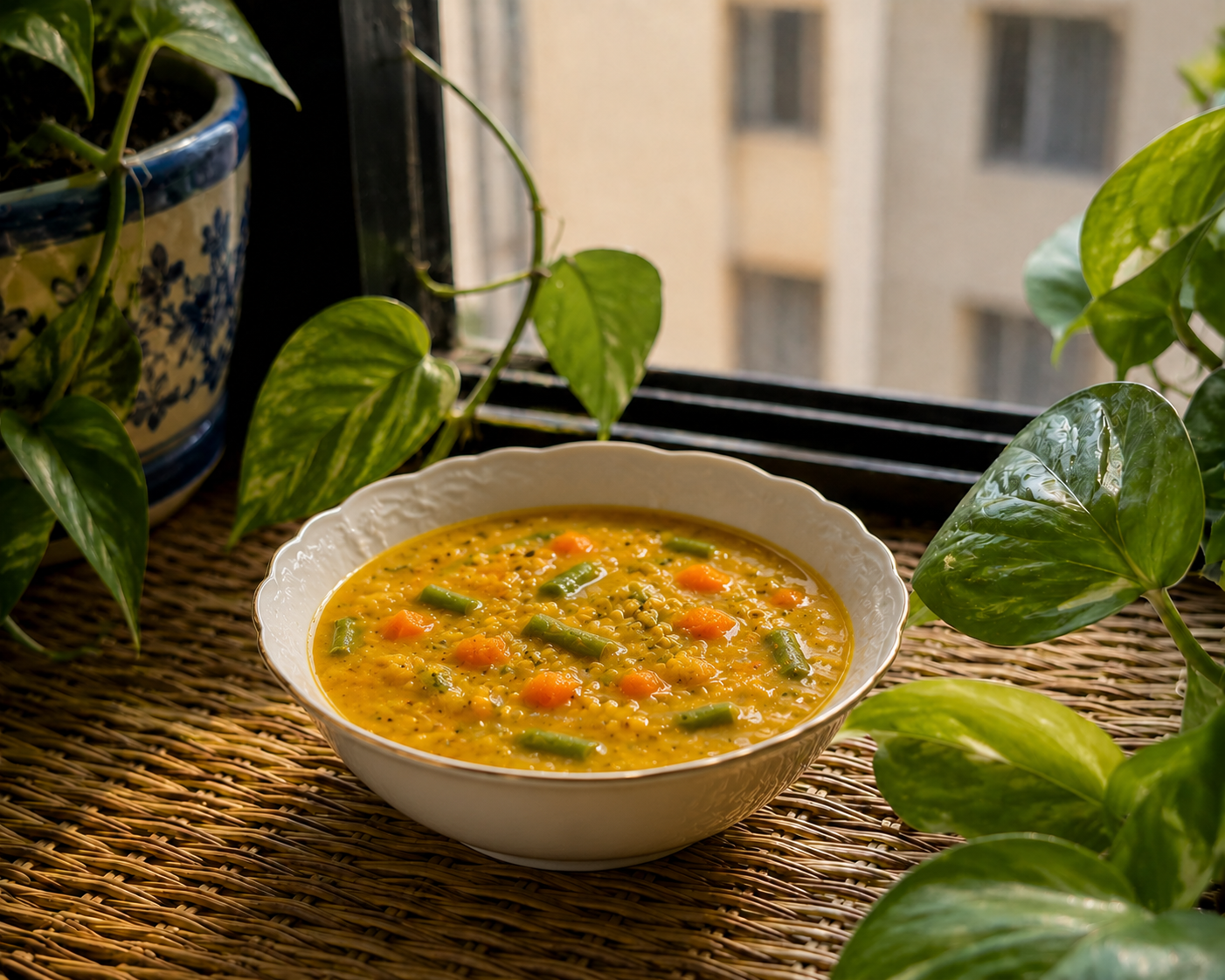
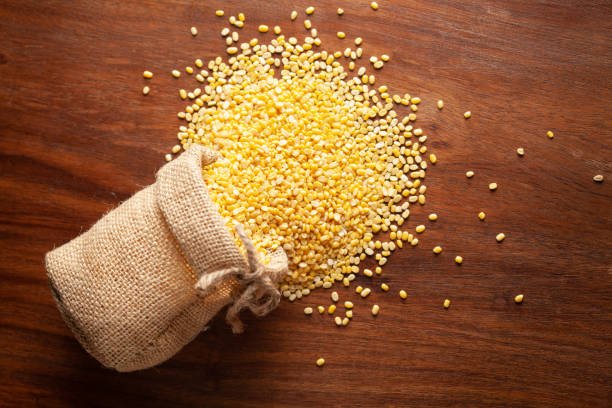
Moong dal is my number one high protein food easy to digest. The split, hulled yellow version is especially gentle because hulling removes most of the fiber that causes gas. Per cooked cup: approximately 14g protein.
I eat this at least four times a week. Simple tadka, some jeera, done. On my worst gut days this is the only dal I trust. Why it’s easy to digest: moong dal is the lowest in fermentable oligosaccharides of all the common Indian dals. Your gut bacteria have less to ferment, which means less gas and less bloating.
Why Are Eggs One of the Most Reliable Easy-to-Digest Proteins?
Boiled or scrambled eggs are high protein foods easy to digest for most people with gut sensitivity. Six grams of protein per egg, no fermentable carbohydrates, no lactose, and no fibre load. My stomach handles two eggs well every single day.
Three eggs started pushing it for me — everyone has a threshold. Find yours. The preparation matters. Soft scrambled eggs in a little ghee are much gentler than hard fried eggs in a lot of oil. Oil slows gastric emptying and can make any food feel heavier than it is.

Is Fish a Good Easy-to-Digest Protein?
Rohu, katla, pomfret — all are high protein foods easy to digest and all are widely available in Indian markets. Fish is lean, easy for the gut to break down, and has zero fermentable carbohydrates.
Per 100g cooked fish: approximately 22-25g protein. This is one of the most efficient high protein foods easy to digest you can find in Indian cuisine. I make simple fish preparations — jeera, turmeric, ginger, minimal spice. The heavier the curry base, the harder the digestion. Keep it simple on sensitive days.
How Should You Prepare Chicken to Make It Easy to Digest?
Chicken breast and chicken leg pieces are easy to digest when prepared correctly — around 25 to 30g protein per 100g (approx. 3.5 oz). The issue with chicken is usually not the chicken itself, it is the preparation. Heavy restaurant-style curries with lots of oil and rich masala are what make chicken hard to digest, not the meat.
Boiled, grilled, or lightly pan-cooked chicken with simple spices is gentle on the gut. Save the heavy gravies for stable days and keep it light when your stomach is sensitive.
Can You Eat Paneer With a Sensitive Stomach?
Paneer is high in protein and tolerated by many people with gut sensitivity in moderate portions — the issue is usually quantity and preparation rather than the paneer itself. A moderate amount of pan-seared or lightly cooked paneer is far gentler than a large bowl of creamy paneer curry. If you are very lactose sensitive, paneer may still be a trigger, in which case tofu is a good swap.
You can also Try this Paneer Steak Recipe
Is Curd a Good Easy-to-Digest Protein?
Curd (dahi) is one of the most gut-friendly proteins because it is also probiotic — the fermentation has already broken down much of the lactose, which makes it easier to digest than milk. A bowl of curd, or diluted into chaas (buttermilk), adds protein while actively supporting the gut. This is one of the easiest ways to add gentle protein to almost any meal. This may be differ in different bodies. Few people can eat curd, but I cannot. I can eat Hung Curd. Same homemade curd I strained the water and eat it . So its really depends on you body .
Is Masoor Dal or Red Lentil High Protein Food Easy To Digest?
Masoor Dal or Red Lentil is a gut friendly high Protein food for me . My dietitian told me just to pressure cook them very well ,that I did and Eat it with different ways . This masoor palak is one of the ways. I will share more recipes of masoor dal as blog grows .
Is Tofu Good for a Sensitive Stomach?
Firm tofu is low FODMAP and a good plant protein for those avoiding dairy. Because it is made from the curds of soy milk with the fermentable carbohydrates largely removed, it is much gentler than whole soybeans or other legumes. Press it first to remove excess water, then cook simply — it takes on whatever flavour you cook it with.
How Does Preparation Change How Easy a Protein Is to Digest?
The same protein can be easy or hard to digest depending entirely on how it is cooked. A few principles apply across all of these foods.
Keep the oil light. Oil slows gastric emptying, which makes any food sit heavier. A little ghee or olive oil is fine; a heavy, oily gravy is not, on a sensitive day.
Cook things through properly. Undercooked lentils and firm, chewy meat are both harder to break down. Soft, fully cooked protein is gentler.
Keep the spicing simple when sensitive. Heavy masala bases, lots of chilli, and rich gravies add to the digestive load. Jeera, haldi, and ginger are gentle and actively helpful.
Watch your portion size. Even an easy-to-digest protein can cause trouble in too large a quantity at once. Moderate portions, more frequently, are gentler than one large protein-heavy meal.
How Do You Build a Daily Protein Routine With a Sensitive Gut?
The key is rotation rather than relying on any single source. Eggs in the morning, moong dal at lunch, fish or chicken at dinner, with curd or chaas alongside meals, gives you steady protein across the day without overloading your gut with any one food.
On sensitive or flare days, fall back to the gentlest options — moong dal, eggs, and curd — and keep the preparation as simple as possible. On stable days you have more room to include paneer, heavier fish preparations, or chicken in a light curry.
Listen to your own gut and build your personal list. The foods here are a starting point that works for most people, but your tolerance is individual — pay attention to which of these sit best for you and lean on those.
Frequently Asked Questions
What are the easiest high protein foods to digest?
Moong dal, eggs, fish, chicken, curd, tofu, and moderate amounts of paneer are among the easiest high-protein foods to digest. Moong dal is especially gentle because the split hulled variety contains less fibre that can cause gas, while eggs and fish contain no fermentable carbohydrates, making them reliable choices for sensitive stomachs.
Why do high protein foods like beans and lentils cause bloating?
Many beans, chickpeas, and larger lentils contain carbohydrates that reach the large intestine undigested, where gut bacteria ferment them and produce gas. Choosing gentler options such as moong dal, along with soaking and cooking legumes thoroughly, can help reduce bloating.
Does cooking method affect how easy protein is to digest?
Yes. Boiled, grilled, steamed, or lightly pan-cooked proteins are usually easier to digest than deep-fried or rich, oily dishes. Gentle seasonings like jeera, haldi, and ginger are often better tolerated than heavy masalas, especially if you have a sensitive stomach.
How much protein can I eat at once with a sensitive stomach?
Tolerance varies from person to person, but smaller, moderate portions spread throughout the day are generally easier on digestion than one large protein-heavy meal. Including a protein source at each meal often feels more comfortable than eating most of your protein at once.
Can I get enough protein on a sensitive gut without supplements?
Yes. A balanced mix of moong dal, eggs, fish, chicken, curd, and tofu can provide plenty of protein from whole foods. If you find it difficult to meet your protein needs, consult a doctor or dietitian before using supplements, as some products may contain additives that trigger IBS symptoms.
🌿 Love gut-friendly recipes? Add Caloriematterss as your Google Preferred Source so my low-FODMAP, high-protein recipes show up more often for you. Set Caloriematterss as a preferred source →