7 Powerful Natural Remedies for Joint Pain Relief That Actually Work
Introduction of Natural Remedies For Joint Pain Relief
7 powerful natural remedies for joint pain relief, from Ayurvedic herbs to anti-inflammatory Indian foods. Safe, proven solutions to move freely again.
Joint pain is one of those silent struggles that creeps into our daily lives—often without warning. Whether it’s waking up with stiff knees or feeling that dull ache in your shoulders after cooking or working, joint pain can feel like an invisible thief stealing your energy, mobility, and joy.
I know this pain firsthand. Years ago, my knees began to hurt during long walks and I ignored it. It wasn’t until I embraced a few natural remedies for joint pain—rooted in Indian wisdom and supported by science—that my joints felt light and pain-free again.
In this blog, I’m sharing 7 powerful natural remedies for joint pain that helped me and countless others. These are easy to follow, affordable, and backed by both Ayurveda and modern research.
What Causes Joint Pain?
Before we dive into natural remedies for joint pain, let’s quickly understand the common causes:
Osteoarthritis or rheumatoid arthritis
Age-related cartilage breakdown
Excess inflammation in the body
Poor posture or repetitive stress
Obesity or weak muscles
Gut issues or leaky gut (yes, really!)
Understanding the root cause helps you choose the right approach. For most people, inflammation and poor collagen support are major culprits—and both can be tackled naturally.
7 Natural Remedies for Joint Pain (That I Personally Trust)
These remedies are rooted in food, Ayurvedic healing, and anti-inflammatory rituals. You don’t need to pop pills or rely on steroids to feel better.
Let’s go step by step.
1. Turmeric + Black Pepper Elixir (Golden Milk)
Turmeric is the king of natural remedies for joint pain, especially for arthritis sufferers.
Curcumin, the active compound in turmeric, reduces inflammation and oxidative stress.
Black pepper contains piperine, which boosts turmeric absorption by 2000%!
How to make it:
1 tsp turmeric powder
1 pinch black pepper
1 cup warm plant-based milk
Optional: a dash of cinnamon and jaggery
Drink this before bed daily for 3 weeks—you’ll feel the difference.
Scientific backing: NIH Study on Curcumin and Arthritis
2. Castor Oil Massage for Knees and Shoulders
In Ayurveda, Abhyanga (self-oil massage) is a healing ritual. Castor oil in particular is considered anti-inflammatory and nourishing to joints.
Warm the oil slightly.
Massage on affected joints for 5–10 mins.
Cover with a warm towel for deeper absorption.
Do this 3x a week.
This ritual has given my elderly aunt major relief—no side effects, just warm healing.
3. Methi (Fenugreek) Seeds Soaked Water
A classic Indian grandma remedy for stiff knees! Fenugreek is a powerful anti-inflammatory and helps balance vata dosha, which controls movement and joints.
How to use it:
Soak 1 tsp of methi seeds overnight.
Chew them in the morning or drink the water on an empty stomach.
It’s bitter, but your knees will thank you.
4. Ashwagandha for Inflammation and Stress-Induced Joint Pain
Sometimes, joint pain isn’t just physical—it’s emotional. Chronic stress can raise cortisol and inflammation, worsening joint stiffness.
Ashwagandha is a stress-adaptogen herb that lowers inflammation and strengthens bones and muscles.
Dosage: 300–500 mg extract (or 1 tsp powder in warm water/milk) before bedtime.
Use for 4 weeks and track your energy and pain levels.
5. Bone Broth or Moringa Soup
Collagen is essential for healthy joints, and while bone broth is great for non-vegetarians, vegetarians can opt for moringa leaf soup—a rich source of:
Vitamin C
Calcium
Magnesium
Anti-inflammatory compounds
Drink this soup 3–4 times a week.
I make moringa soup with garlic, ginger, curry leaves, and a pinch of pepper—it’s comforting and healing.
6. Epsom Salt Soaks (If Pain Is in Legs/Feet)
Epsom salt = magnesium sulfate. Magnesium is crucial for relaxing muscles and reducing inflammation.
How to use:
Add 1 cup Epsom salt to a bucket of warm water.
Soak your feet or legs for 15–20 minutes.
Perfect after a long day on your feet.
7. Anti-Inflammatory Diet (IBS & Joint Pain Are Often Linked)
Joint pain and gut issues are often connected. Leaky gut or poor digestion can trigger systemic inflammation. Follow this anti-inflammatory food list:
| Foods to Include | Foods to Avoid |
|---|---|
| Ginger, garlic, turmeric | Sugar, processed oils |
| Curd with jeera & ajwain | Red meat |
| Leafy greens | Fried foods |
| Fish, eggs (if not allergic) | Nightshades (tomato, brinjal) if reactive |
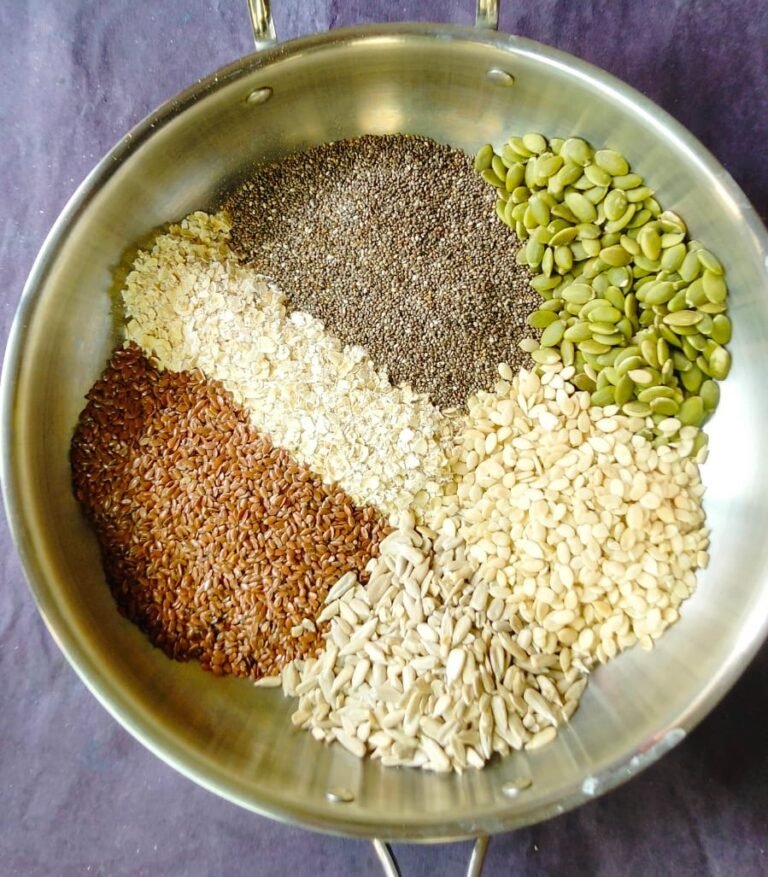
Hydrate well. Add seeds like flax and chia to your meals. Avoid dairy and gluten if they worsen symptoms.
What Is This Natural Remedies for Joint Pain, Arthritis & Inflammation?
If you’ve been searching for natural remedies for joint pain, you’re not alone. Millions turn to natural remedies for joint pain because modern medicine often only masks the symptoms. I’ve personally tried many natural remedies for joint pain, from turmeric elixirs to castor oil massages.
Over time, I found that certain natural remedies for joint pain—like methi water and ashwagandha—worked better than over-the-counter pills. These natural remedies for joint pain don’t just reduce swelling; they rebuild strength from within.
If you’re tired of stiffness and slow mornings, try adding these natural remedies for joint pain into your daily routine. Trust your body, and let natural remedies for joint pain do their magic. Healing takes time, but with consistent natural remedies for joint pain, even long-standing arthritis can feel manageable again.
This Ayurvedic remedy combines just two ingredients: fenugreek seeds (methi dana) and ghee. The fenugreek is lightly fried in ghee, then ground into a powder. You can take a spoonful of it daily during winter to help relieve joint inflammation and stiffness.
It’s completely natural, gut-friendly, and super easy to make — plus it fits right into an IBS-friendly lifestyle.
Ayurvedic Wisdom for Joint Pain
Vata-pacifying diet: Warm, unctuous foods.
Daily oil massage (Abhyanga)
Herbs: Guggul, Shallaki (Boswellia), Nirgundi
You can consult an Ayurvedic doctor to personalize herbs based on your dosha.
Ingredients You’ll Need for This Natural Remedies for Joint Pain
Fenugreek Seeds (Methi Dana) – 100g
Ghee (A2 or Cow’s Ghee) – 1–2 tablespoons (for frying)
Optional:-Warm milk or water for easier consumption
My Healing Journey with Joint Pain
There was a time I couldn’t sit cross-legged during puja without wincing. My knees would ache at night and feel stiff in the morning.
But small, daily shifts saved me.
Turmeric milk every night.
Morning methi water.
Weekend castor oil massage.
Epsom salt soak after long writing days.
Within 3 months, the pain reduced drastically—and I haven’t looked back.
Step-by-Step Recipe: Winter Natural Remedies for Joint Pain
Step 1: Roast the Fenugreek Seeds
Heat ghee in a pan on low flame.
Add the fenugreek seeds and roast them gently until they darken slightly and release a nutty aroma.
Step 2: Cool and Grind
Let the roasted seeds cool completely.
Grind into a coarse or fine powder, depending on your preference.
Step 3: Store Safely
Store in a glass jar in a dry, cool place.
How to Use:
Take 1 spoon every morning on an empty stomach during winter.
You can either:
Eat the powder as is (followed by warm water or milk)
Or mix it in warm milk and drink it
5 Benefits of This Natural Remedies for Joint Pain with Fenugreek & Ghee
1. Natural Anti-Inflammatory
Fenugreek contains compounds like diosgenin that help reduce inflammation in joints.
2. Lubricates Joints
Ghee acts as a natural joint lubricant, especially during cold weather when stiffness worsens.
3. Promotes Mobility
This remedy can ease morning stiffness and improve overall movement when taken consistently.
4. Gut-Friendly & IBS-Safe
Unlike many commercial pain relievers, this remedy is gentle on the stomach and doesn’t disrupt gut health.
5. Ayurvedic & Time-Tested
Used for centuries in Indian households, this remedy reflects the power of simple, whole ingredients.
Cultural Wisdom Behind This Joint Pain Remedy
In Ayurveda, methi is considered a heat-generating food that balances vata — the dosha responsible for cold, dry, and stiff qualities in the body. Ghee is a sattvic fat that nourishes tissues and aids absorption of herbs. Together, they form a synergistic blend that supports not just the joints but overall vitality.
Final Dosage & Winter Timing
Use only during winter months.
Take 1 spoon daily on an empty stomach.
Avoid in summer or if your body tends to run very hot internally.
You may also like this-7 Powerful benefits of Gond Katira and Chia Seed Drink
FAQs – Natural Remedies for Joint Pain
1. What are the best natural remedies for joint pain?
Some of the most effective natural remedies include turmeric, ginger, omega-3-rich foods, Epsom salt baths, and anti-inflammatory diets. Regular stretching and low-impact exercise also help.
2. Can turmeric really reduce joint pain and inflammation?
Yes. Turmeric contains curcumin, a powerful anti-inflammatory compound shown to reduce pain and stiffness in people with arthritis and joint inflammation when taken consistently.
3. What foods should I avoid if I have joint pain?
Processed sugars, refined carbs, red meat, trans fats, and excessive dairy may trigger inflammation and worsen joint pain. An anti-inflammatory diet is recommended instead.
4. Does exercise make joint pain better or worse?
Gentle movement like yoga, swimming, or walking improves joint flexibility and reduces stiffness. Avoid high-impact exercises if your joints are inflamed.
5. Can I manage arthritis naturally without medication?
In many mild to moderate cases, joint pain can be managed naturally with diet, exercise, herbs like turmeric and ginger, stress reduction, and regular mobility practices. Always consult your doctor first.