Pineapple Peel Detox Tea — A Zero-Waste Tea for Digestion and Bloating
📌 Key Points
What it is: A zero-waste tea made by simmering pineapple (ananas) peel with adrak (ginger) and warming spices
Main benefit: The peel contains bromelain, an enzyme that supports digestion — so the tea is genuinely good for a heavy, bloated stomach
Best time: Morning, or after a heavy or salty meal
Honest note: It supports digestion and eases bloating — it is not a fat-burner, liver detox, or hormone treatment
IBS-friendly: Yes — caffeine-free and gentle, and a lovely way to use a part of the fruit you would otherwise throw away
Why I Started Making Pineapple Peel Detox Tea
Most people throw the pineapple peel straight in the bin — but it is one of the most useful parts of the fruit, and turning it into tea is one of my favourite zero-waste kitchen habits. I first made pineapple peel detox tea out of pure curiosity. I was bloated, sluggish, and looking for something warm and natural that would not trigger my IBS or leave me jittery the way green tea does. What I got was a gently sweet, spiced, soothing tea that settled my stomach.
The genuine appeal of pineapple peel detox tea is simple and real: the peel contains bromelain, an enzyme that supports digestion, so a warm cup genuinely helps a heavy, bloated stomach feel lighter. It is caffeine-free, costs nothing because you are using a part of the fruit you would otherwise discard, and it is gentle enough for a sensitive gut.
Let me be honest about the “detox” part, because tea like this is often oversold. Your liver and kidneys do the actual detoxifying; no tea does that for them. Pineapple peel detox tea will not burn fat, flush toxins, balance your hormones, or cleanse your liver. What it genuinely does is support digestion, ease bloating, and give you a warm, gut-friendly, zero-waste drink. This guide covers how to make it, what it really does, and who should be cautious.
Table of Contents
What Is Pineapple Peel Detox Tea?
Pineapple peel detox tea is a homemade herbal tea made by simmering the outer skin of a pineapple (ananas) with warming, anti-inflammatory spices. The peel, which is usually thrown away, is rich in bromelain, vitamin C, and antioxidants, and it gives the tea a mildly sweet, tropical flavour.
A typical brew combines the pineapple (ananas) peel with adrak (ginger), dalchini (cinnamon), and laung (cloves), with optional saunf (fennel) or tulsi (holy basil). The result is a warm, gently spiced, caffeine-free drink that tastes mildly sweet and refreshing. Because it uses a part of the fruit you would otherwise discard, it is one of the most economical and sustainable healthy drinks you can make — there is genuine satisfaction in turning a peel into something this pleasant.
What Are the Real Pineapple Peel Detox Tea Benefits?
Here are the honest pineapple peel detox tea benefits, focused on what the tea genuinely does for digestion.
1. Does Pineapple Peel Detox Tea Help Digestion?
This is the strongest benefit. The bromelain in pineapple peel is a natural enzyme that helps break down protein and supports digestion, which is why a warm cup can ease that heavy, sluggish feeling after a meal. For bloating, gas, and slow digestion, this is the main reason to drink pineapple peel detox tea. It is a gentle, enzyme-supported way to help your gut along.
2. Can It Reduce Bloating and Water Retention?
The peel contains potassium and antioxidants, and a warm, caffeine-free drink supports the gut in releasing trapped gas and easing that tight, bloated feeling. Drinking pineapple peel detox tea in the morning or after a salty meal can genuinely help with the puffy, water-retention type of bloating. Much of what feels like a heavy belly after a big meal is bloating, and this tea helps with exactly that.
3. Is It a Gentle, Caffeine-Free Drink?
One of the quietly useful things about pineapple peel detox tea is that it gives you a warm, flavourful drink with no caffeine. That makes it a good replacement for a second cup of chai or coffee, both of which can disturb a sensitive gut and your sleep. Swapping a caffeinated drink for this is an easy, gut-friendly upgrade.
4. Does It Support Immunity?
Pineapple peel is a source of vitamin C and antioxidants, which support overall immune health, especially during weather changes. This is a general nutritional benefit rather than anything dramatic — a vitamin-C-containing warm drink is a pleasant, supportive thing to have when you are feeling run down, but it is not a treatment for any illness.
5. Is It Good During PMS?
Many people find a warm, soothing drink comforting during PMS week, when bloating and cramps are common. The ginger in the tea in particular helps ease bloating and discomfort. To be honest, pineapple peel detox tea does not “balance hormones” or detox estrogen, despite such claims — but as a comforting drink for the bloating and discomfort that come with the cycle, it has a genuine, gentle place.
6. Does It Help Skin?
Good digestion and staying well hydrated tend to show up as healthier-looking skin over time, and the vitamin C in the peel supports skin health generally. So while pineapple peel detox tea is not a direct “skin glow” treatment, the indirect benefits of calmer digestion and good hydration do contribute to feeling and looking fresher.
7. Why Is It a Zero-Waste Win?
Beyond the digestive benefits, pineapple peel detox tea is satisfying simply because it uses something you would normally throw away. Instead of binning the peel, you turn it into a warm, gut-friendly drink for free. For anyone who likes to reduce kitchen waste, this is one of the easiest and most rewarding habits to pick up.
How Do You Make Pineapple Peel Detox Tea?
Makes about 1 litre | Time: 25 minutes
- Peel of 1 pineapple (ananas), washed well
- 1 inch adrak (ginger), sliced
- 1 small piece dalchini (cinnamon)
- 3 to 4 laung (cloves)
- Optional: 1 tsp saunf (fennel) or a few tulsi (holy basil) leaves
- 1 litre water (about 4 cups)
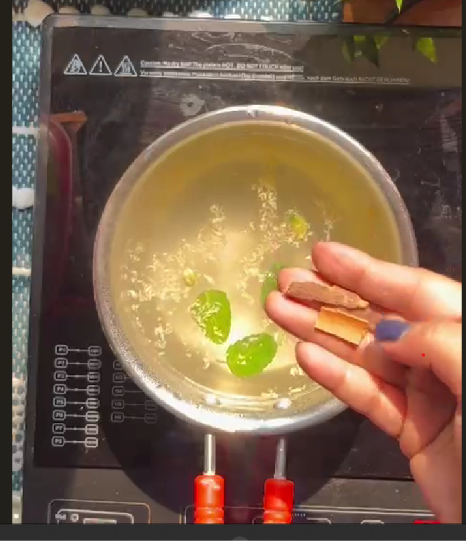
Method: Wash the pineapple (ananas) peel thoroughly, as it is the outer skin. Add it to a pot with the water, adrak (ginger), dalchini (cinnamon), and laung (cloves). Bring to a boil, then lower the heat and simmer for 15 to 20 minutes until the water turns golden and smells fragrant. Strain and sip warm. There is no need to add sugar — the peel makes the tea naturally mildly sweet. Use organic pineapple where you can, since you are using the skin, and wash it well.
How Do You Drink Pineapple Peel Detox Tea?
For the most benefit, drink a cup of pineapple peel detox tea warm in the morning, or after a heavy or salty meal when you feel bloated. One cup a day is plenty as a regular habit. Sip it warm rather than cold, which is gentler and more soothing for the gut. If you make a full litre, you can keep it and have a cup across the next few days.
What’s the Ayurvedic View?
In Ayurvedic terms, the warming spices in pineapple peel detox tea — ginger, cinnamon, and cloves — support digestive fire and help the body process food, while the tea itself is light and easy on the system. The traditional view aligns with the honest modern one: this is a warming, digestion-supporting drink, valued for helping a sluggish gut rather than for any dramatic “detox” effect.
Who Should Avoid Pineapple Peel Detox Tea?
Pineapple peel detox tea is gentle for most people, but a few cautions apply. Always wash the peel very thoroughly and use organic pineapple where possible, since the skin can carry pesticide residue. Bromelain can interact with some medications, including blood thinners and certain antibiotics, so check with your doctor if you take these. Anyone with a pineapple allergy should avoid it. And if you are pregnant, it is best to keep pineapple to normal food amounts and check with your doctor before drinking concentrated pineapple peel tea regularly. In normal amounts for most people, though, it is a gentle, gut-friendly drink.
Medical Disclaimer
This article shares general information and personal experience, not medical advice. Pineapple peel detox tea is a gentle home drink, not a treatment for any condition, and it does not “detox” your organs — your liver and kidneys do that. Please consult a doctor before using it medicinally, especially if you are pregnant, take blood thinners or other medication, or have a pineapple allergy.
digestive teas for IBS — https://caloriematterss.com/digestive-teas-for-ibs/ fennel water for bloating — https://caloriematterss.com/fennel-water-for-bloating/ food to eat in IBS (FODMAP guide) — https://caloriematterss.com/food-to-eat-in-ibs/
Gluten Free High Protein Oats Chilla Breakfast – 2 Eggs
Frequently Asked Questions
What is pineapple peel detox tea?
Pineapple peel detox tea is a homemade herbal drink made by simmering pineapple peel with ginger, cinnamon, and cloves. The peel naturally contains bromelain, vitamin C, and antioxidants that support digestion, while the warm, caffeine-free tea can help ease bloating. Although it is often called a “detox” tea, it does not cleanse your organs—it simply supports healthy digestion and makes good use of pineapple peel instead of wasting it.
How do I make pineapple peel detox tea?
Wash one pineapple thoroughly, then simmer the peel in about 1 litre of water with sliced ginger, a stick of cinnamon, and a few cloves for 15–20 minutes. Strain and enjoy it warm. The peel gives the tea a naturally mild sweetness, so no sugar is needed. If possible, choose an organic pineapple and always wash the skin well before brewing.
What are the real benefits of pineapple peel detox tea?
Its main benefits are digestive support and reduced bloating. Bromelain helps break down food, while the warm herbal tea may ease gas and discomfort after heavier meals. It also provides some vitamin C and encourages a practical zero-waste habit. However, it does not burn fat, detox your liver, or balance hormones.
Is pineapple peel detox tea safe for IBS?
For many people with IBS, yes. It is naturally caffeine-free, and both ginger and bromelain can support digestion. Start with a small cup, drink it warm, and monitor how your body responds, especially if you are sensitive to acidic foods. If it causes acidity, enjoy it after meals instead of on an empty stomach.
How long does pineapple peel detox tea last in the fridge?
Store the tea in a covered glass bottle or container in the refrigerator for up to 3–4 days. The flavour often becomes smoother by the second day. Reheat it gently on the stove before drinking, and avoid keeping it beyond four days because the pineapple peel may begin to ferment.
🌿 Love gut-friendly recipes? Add Caloriematterss as your Google Preferred Source so my low-FODMAP, high-protein recipes show up more often for you. Set Caloriematterss as a preferred source →