What Foods Should You Eat for Weight Loss? 15 That Genuinely Help
📌 Key Points
The honest answer: No food “burns fat” — but the right foods keep you full, steady your blood sugar, and make a calorie deficit much easier to maintain
What to prioritise: Protein (eggs, dal, curd, chicken, fish) and fibre (vegetables, lentils, oats) — they keep you fullest for the fewest calories
Why these work: Satiety and steady blood sugar reduce cravings and overeating — that is the real mechanism, not fat-burning
The catch: Total calories still matter most — these foods make the deficit easier, not automatic
Gut-friendly: Most of these support digestion too, which helps if you have IBS
What Foods Actually Help With Weight Loss?
Foods For weight loss ,let us start honestly, because the internet is full of “fat-burning food” claims that are not true. No food burns fat. What the right foods do is keep you full and satisfied on fewer calories, steady your blood sugar so cravings settle, and support good digestion — and all of that makes it far easier to stay in the calorie deficit that genuinely causes weight loss.
So the question is not “which foods burn fat” but “which foods help me eat well without feeling hungry and deprived.” That is what this list answers. Choosing protein-rich and fibre-rich foods means you feel satisfied, snack less, and find the whole process more sustainable. From eggs and dal to curd and vegetables, these 15 foods are the ones that genuinely make weight loss easier — and most of them are gentle on the gut too.
A quick note before the list: this post contains some affiliate links to products I have found useful. If you buy through them I may earn a small commission at no extra cost to you, and it helps support the blog.
What Are the 15 Best Foods for Weight Loss?
1. Eggs — Why Are They So Filling?
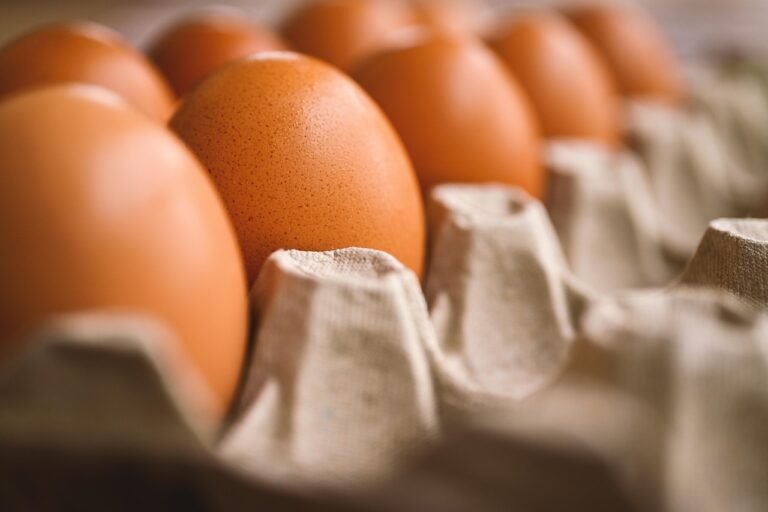
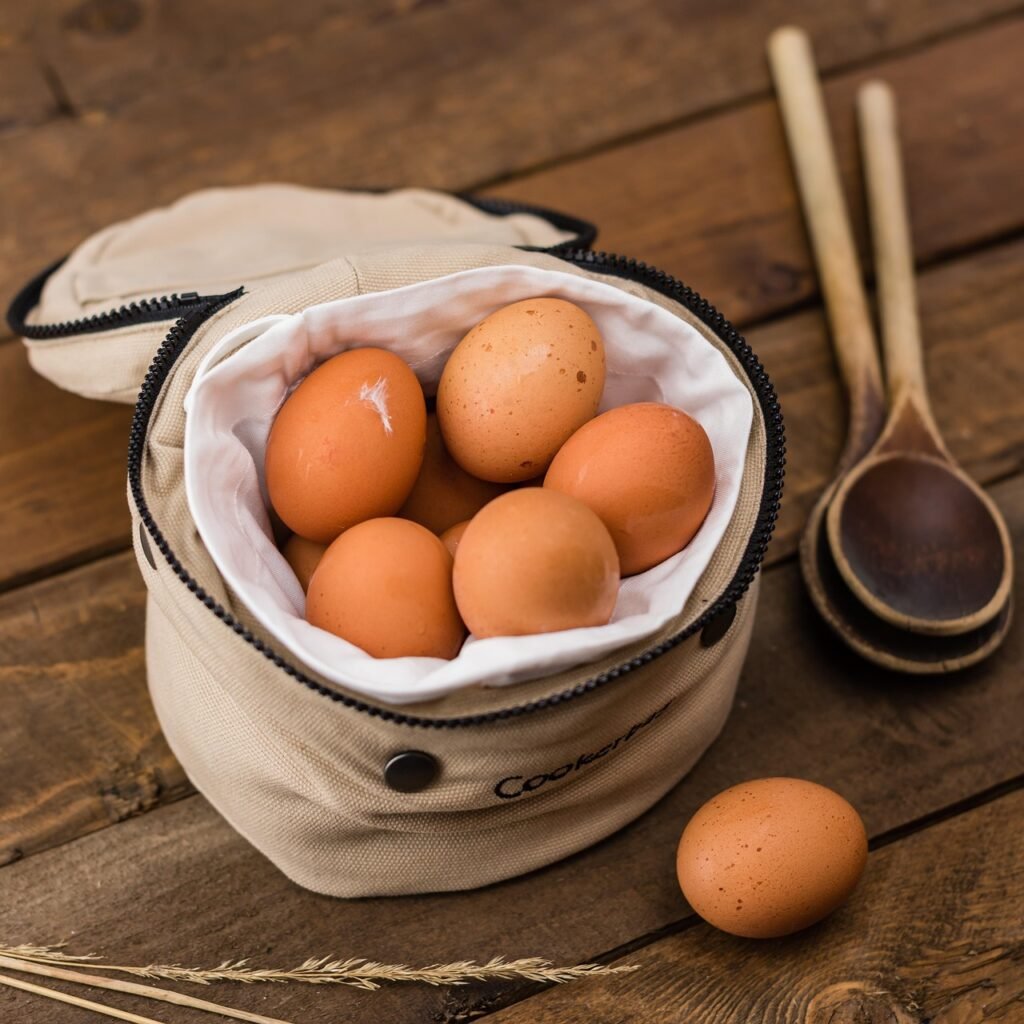
Eggs are rich in high-quality protein and healthy fats, which keep you full for hours and help reduce cravings later in the day. Protein also has a slightly higher thermic effect than carbs or fat, meaning your body uses a little more energy digesting it. Eat them boiled, poached, or scrambled with vegetables, ideally at breakfast so the satiety carries you through the morning.
For the best quality, organic or pasture-raised eggs are richer in nutrients. (I use organic eggs from Amazon here.) To make boiling a batch easy, a simple egg boiler like this KENT one handles up to 6 at a time.
2. Curd or Greek Yoghurt (Dahi) — How Does It Help?
Curd (dahi) and Greek yoghurt are high in protein and probiotics, which support digestion and help you feel satisfied. The protein reduces sugar cravings, and the probiotics support a healthy gut, which matters for both digestion and weight. Have it as a snack or with fruit. If you are lactose sensitive, a lactose-free or coconut version works.
3. Moong Dal (Split Green Gram) — Why Is It Ideal?
Moong dal (split green gram) is high in plant protein and fibre, low in calories, and the gentlest lentil for digestion. The protein-fibre combination keeps you full for a long time, and unlike heavier lentils it does not cause much bloating, which makes it ideal for both weight loss and a sensitive gut.
4. Oats — How Do They Keep You Full?
Oats are rich in a soluble fibre called beta-glucan, which absorbs water and slows digestion, keeping you full and steadying blood sugar. This reduces the mid-morning crash and snacking that derail many diets. Use rolled or steel-cut oats with water or milk, and avoid instant flavoured packets, which are high in sugar.
5. Leafy Greens (Palak, Methi) — Why Eat Them Freely?
Leafy greens like palak (spinach) and methi (fenugreek leaves) are very low in calories but high in fibre and nutrients, so they add volume and fullness to a meal for almost no calorie cost. Cook them well for easy digestion, and add them to dals, sabzis, and soups.
6. Chicken Breast — Why Is It a Weight-Loss Staple?
Chicken breast is lean, very high in protein, and keeps you full while supporting muscle, which matters when losing weight. Keep the preparation light — grilled, pan-cooked, or in a light curry without heavy cream — to keep the calories down. A high-protein main like this makes it easy to feel satisfied on fewer calories.
7. Fish — How Does It Support Weight Loss?
Fish is lean, high in protein, and oily fish adds anti-inflammatory omega-3 fats. It is light and easy to digest, which makes it a good gut-friendly protein. Simple preparations with jeera (cumin), haldi (turmeric), and ginger keep it light, while heavy curries add unnecessary calories.
8. Lentils and Beans — Why Are They Filling?
Lentils and beans are high in protein and fibre, a combination that keeps you full for a long time. For weight loss they are excellent; for IBS, stick to the gentler ones like moong (green gram) and masoor (red lentils) in moderate portions, and soak and cook heavier ones well to reduce gas.
9. Paneer or Tofu — A Good Vegetarian Protein?
Paneer (cottage cheese) and tofu are both high-protein and filling. Paneer is rich, so keep the portion moderate, and tofu is a good lactose-free option. Grilled or lightly cooked rather than fried in heavy gravy keeps them weight-loss friendly. A small portion adds real staying power to a meal.
10. Vegetables (Lauki, Tinda, Carrot) — Why Eat Plenty?
Watery, fibre-rich vegetables like lauki (bottle gourd), tinda (apple gourd), and gajar (carrot) are very low in calories and add bulk to meals, helping you feel full. They are also gentle on the gut. Build half your plate around cooked vegetables and the calories take care of themselves.
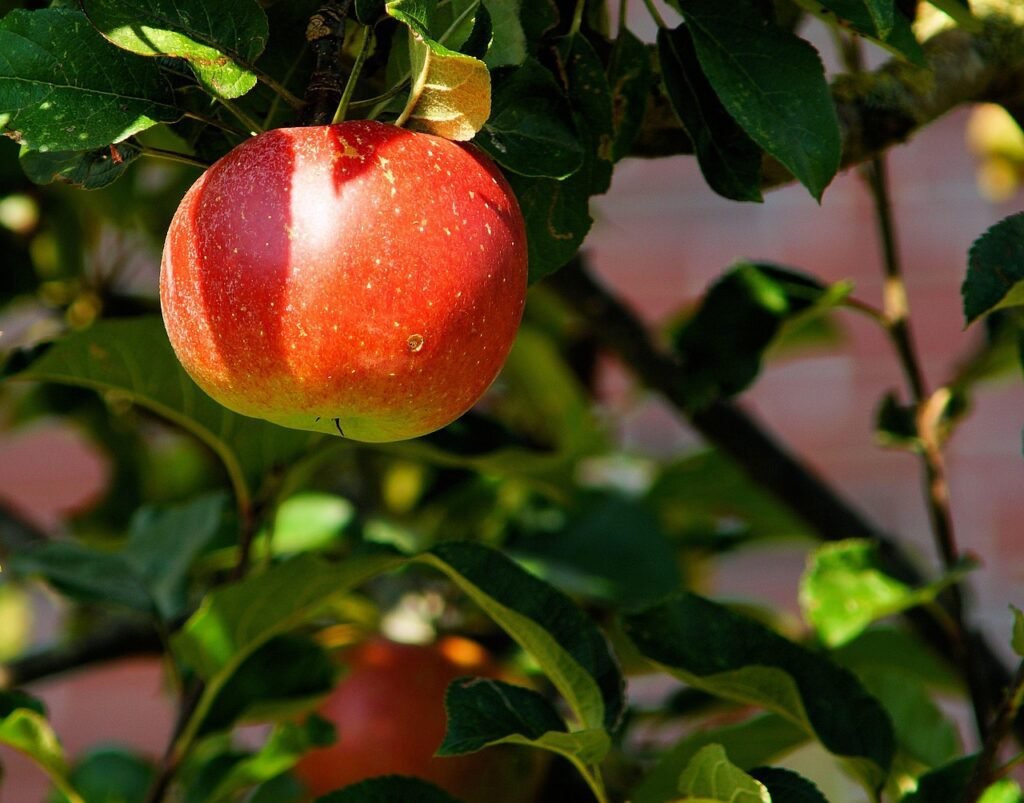
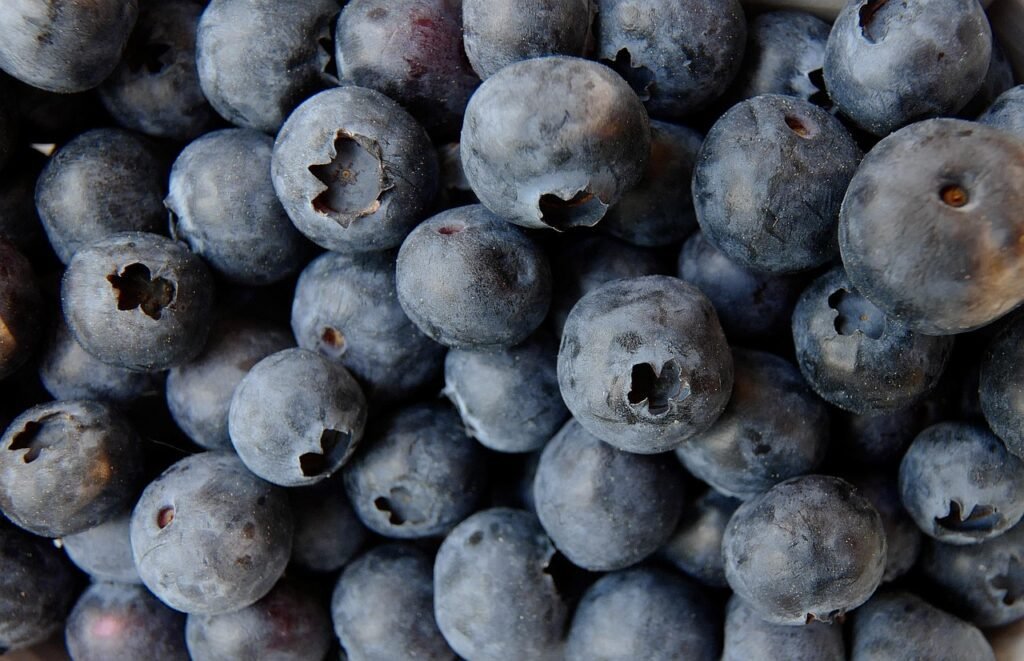
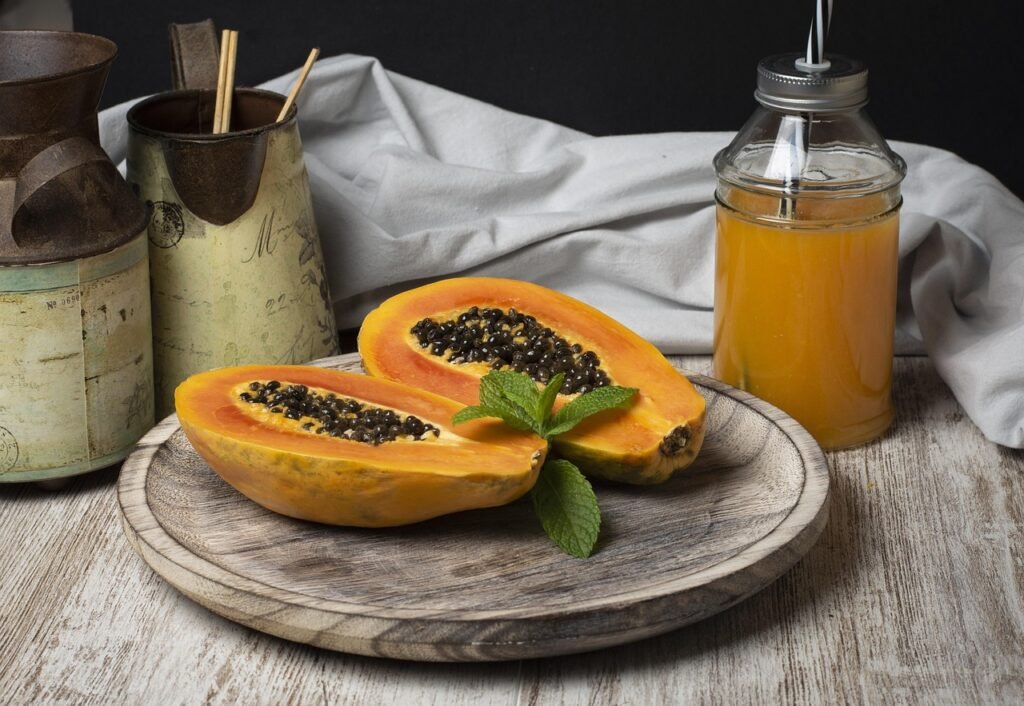
11. Berries and Fruit — Which Fruits Are Best?
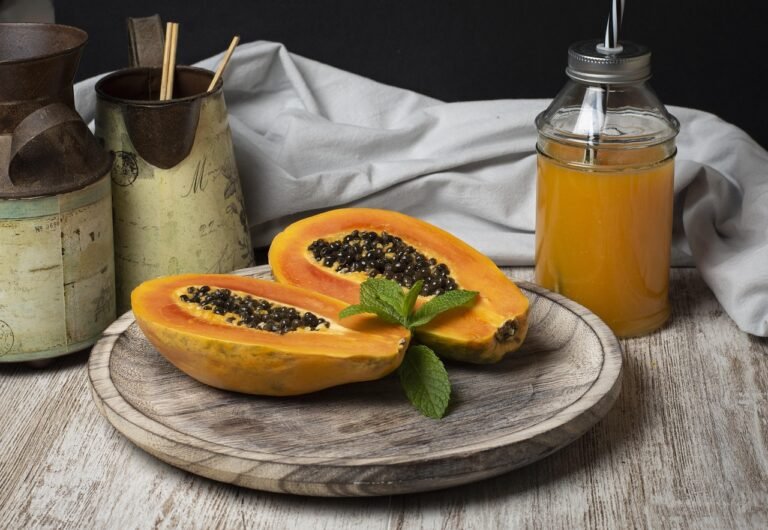
Fruits like berries, papaya (papita), and apple (in moderation) add natural sweetness, fibre, and nutrients for relatively few calories, which helps satisfy a sweet craving without reaching for sugar. Whole fruit is far better than juice, as the fibre slows the sugar release.
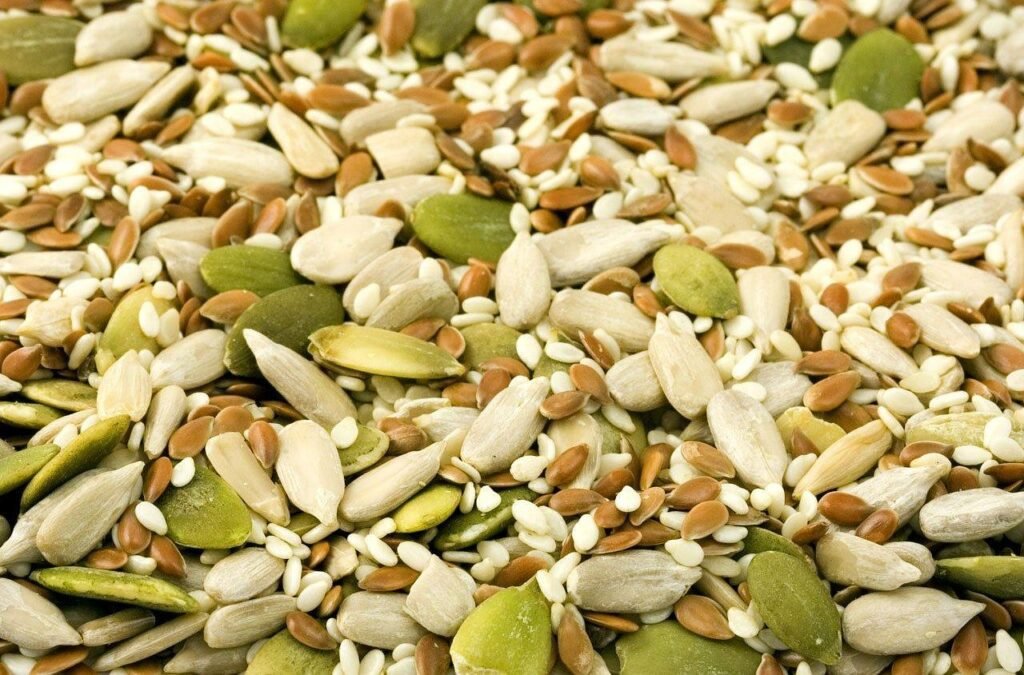
12. Nuts and Seeds — Aren’t They High in Calories?
Nuts and seeds are calorie-dense but very satisfying, so a small portion goes a long way. A handful of almonds, walnuts, or soaked chia seeds provides healthy fats, protein, and fibre that keep you full between meals. The key is portion control — a small handful, not a bowl.
13. Green Tea — Does It Help With Weight Loss?
Green tea contains antioxidants and a small amount of caffeine that may give a very mild, short-term boost to metabolism. The effect is modest, so treat it as a pleasant, low-calorie drink that can replace sugary beverages rather than a fat-burner. If you have a sensitive gut, avoid it on a completely empty stomach.
14. Sweet Potato (Shakarkandi) — A Better Carb?
Sweet potato (shakarkandi) is a complex carbohydrate that releases energy slowly, keeping you full and steadying blood sugar better than refined carbs. It is satisfying and nutrient-rich, which makes it a good carbohydrate choice when you want something filling without a blood sugar spike.
15. Buttermilk (Chaas) — Why Is It a Smart Drink?
Chaas (buttermilk) is low in calories, hydrating, and contains probiotics that support digestion. It is far better than a sugary drink or a heavy lassi, and the protein and probiotics help you feel satisfied. A glass with roasted jeera (cumin) and a little rock salt is a refreshing, gut-friendly choice.
How Should You Use These Foods for Weight Loss?
The simple framework is to build each meal around a protein and plenty of vegetables, add a moderate portion of a complex carbohydrate, and use fruit, nuts, curd, or buttermilk for snacks. This naturally keeps you full on fewer calories without counting every bite.
A practical day might look like eggs or a moong dal (split green gram) chilla for breakfast, a light chicken or fish with vegetables and a little rice for lunch, fruit with a handful of nuts as a snack, and a light dal with a vegetable for dinner. The point is not restriction — it is choosing foods that keep you satisfied so the calorie deficit happens more easily.
What’s the Honest Truth About Foods and Weight Loss?
No single food, and no list of foods, burns fat or melts weight away. What these foods do is genuinely valuable but more modest: they keep you full, steady your blood sugar, reduce cravings, and support digestion, all of which make it much easier to eat slightly less without feeling deprived. That sustained, comfortable calorie deficit is what actually drives weight loss.
So use this list as a guide to building satisfying meals, not as a magic solution. Combined with sensible portions, an early light dinner, good sleep, and some daily movement, these foods make the whole process easier and more pleasant. That is the realistic, honest path to weight loss that lasts.
Frequently Asked Questions
What foods are best for weight loss?
Foods that are high in both protein and fibre are the most helpful because they keep you full while providing relatively few calories. Good choices include eggs, curd, moong dal, chicken, fish, lentils, oats, leafy greens, and vegetables like lauki. These foods do not burn fat, but they make it easier to maintain a calorie deficit by improving fullness and helping control hunger.
Do any foods actually burn fat?
No. There are no foods that directly burn fat. While ingredients such as green tea or chilli may have a very small effect on metabolism, the impact is too minor to produce meaningful weight loss. Long-term success comes from maintaining a calorie deficit, not from any single “fat-burning” food.
Is high protein really important for weight loss?
Yes. Protein helps you stay fuller for longer, supports muscle maintenance during weight loss, and requires slightly more energy to digest than carbohydrates or fat. Including a quality protein source with each meal is one of the simplest ways to make weight loss more sustainable.
Can I eat rice and still lose weight?
Absolutely. Rice does not stop weight loss—overall calorie intake matters much more. A sensible portion of rice paired with protein and vegetables creates a balanced, satisfying meal. Portion size and meal balance are far more important than avoiding rice altogether.
Are these weight-loss foods gut-friendly for IBS?
Many of them are. Eggs, fish, chicken, moong dal, lauki, oats, and curd (if tolerated) are generally gentle choices for people with IBS. If you have a sensitive gut, limit heavier beans, large amounts of paneer, and green tea on an empty stomach, while focusing on lean proteins, cooked vegetables, and moderate portions.
🌿 Love gut-friendly recipes? Add Caloriematterss as your Google Preferred Source so my low-FODMAP, high-protein recipes show up more often for you. Set Caloriematterss as a preferred source →
This article shares general information and personal experience, not medical or nutritional advice. Individual needs vary — please consult a doctor or registered dietitian before making significant dietary changes, especially if you have a health condition.