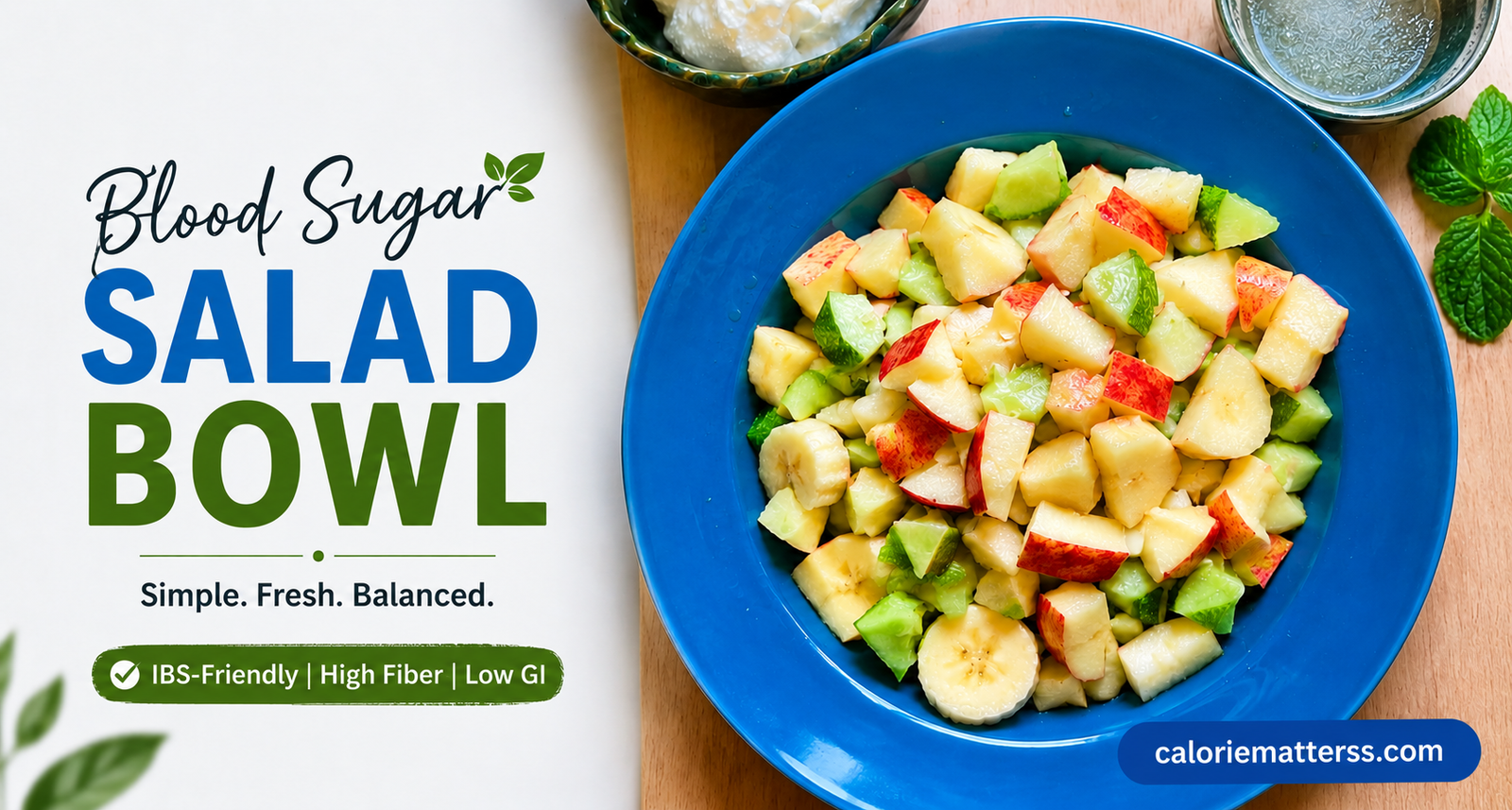
Blood sugar salad bowl: the high-fiber, high-protein bowl I eat before lunch
📝 Quick Guide
What it is: A quick no-cook bowl of soaked psyllium husk, lactose-free hung curd, apple, banana and cucumber that I eat before my lunch.
Why it works: Fiber and protein first, carbs after. My dietitian calls it blanketing the carbs, and it stopped my post-lunch sugar crashes.
Honest IBS/low-FODMAP note: I keep the banana and apple to half portions because larger amounts can bother my gut. This is what works for my body, not medical advice.
Calories: ~200 kcal | Protein: ~11g | Fiber: ~6.5g
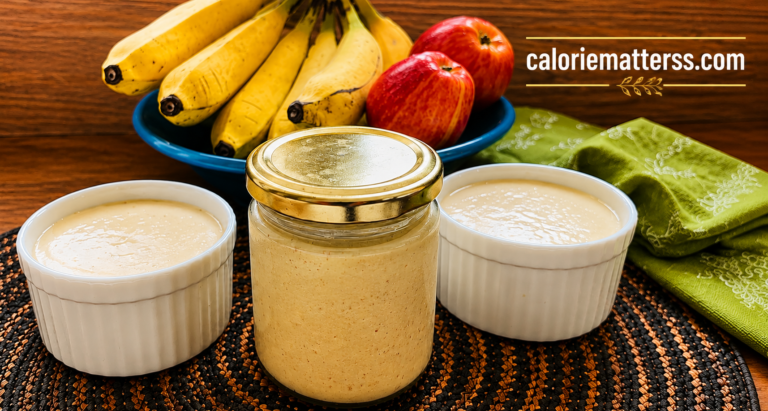
My high-fiber, high-protein blood sugar salad bowl with soaked psyllium husk, lactose-free hung curd, apple, banana and cucumber — the bowl I eat before lunch.
For a long time, every afternoon fell apart the same way. I would eat lunch, feel fine for a bit, and then about an hour later I would go weak, shaky, and foggy. I could not think, I could not work, and I kept blaming the heat or bad sleep.
It took my dietitian to explain what was actually going on, and the fix turned out to be this small bowl I now make before almost every lunch. This is my blood sugar salad bowl, and it is the most useful thing I have added to my eating in a long time.
Table of Contents
Why does my blood sugar crash after lunch?
Here is what I did not understand for months. I am prediabetic, which means my blood sugar handling is already a little off. On top of that, I used to leave a long gap between breakfast and lunch, then eat a plate that was mostly rice or roti. So my body went from an empty tank to a sudden flood of carbs, spiked hard, and then crashed just as hard an hour later. That crash was the weakness I kept feeling.
My dietitian explained it in a way that finally made sense: it was not that I was eating too much, it was the order and the gap. A big hit of carbs on an empty system, with nothing to slow it down, is what caused the spike and the crash. Once I heard that, the afternoons suddenly made sense.
What does blanketing the carbs mean?
The phrase my dietitian used was blanket the carbs. The idea is simple: before the carbs reach your system, you put a layer of fiber and protein down first. That layer slows how fast the carbs get absorbed, so instead of a sharp spike and crash, you get a gentler, slower rise. The carbs are still there, they are just wrapped in something that softens their hit.
This has a proper name that dietitians and researchers use, food sequencing, and it simply means eating your fiber and protein before your starch. I am not going to pretend I understood the science at first. What I understood was that my dietitian told me to try eating fiber and protein before my carbs, and within a few days the afternoon weakness eased off. That was enough to make me stick with it.

Why did I choose psyllium husk for this bowl?
When I looked into which fiber to use, psyllium husk, which we call isabgol at home, kept coming up as one of the highest-fiber options you can add to food. It is a soluble fiber, the kind that forms a gel and slows digestion, which is exactly what I wanted for blanketing the carbs.
There was one problem. I cannot stand psyllium husk the usual way, stirred into water into that thick jelly. The texture makes me gag, honestly. So drinking it before every meal was never going to last for me. That is the whole reason this blood sugar salad bowl exists.
I needed a way to eat the fiber that I would actually enjoy, day after day, without dreading it. Folding the soaked husk into a curd-and-fruit bowl hides the texture completely, and suddenly it became something I look forward to instead of something I force down.
How do you make the blood sugar salad bowl?
The method is almost too simple, which is part of why I have kept it up. The one step you should never skip is soaking the psyllium husk first. Dry psyllium husk swells a lot once it meets liquid, and you want that swelling to happen in the bowl, not in your throat, so always soak it in a little water for a few minutes before it goes in.
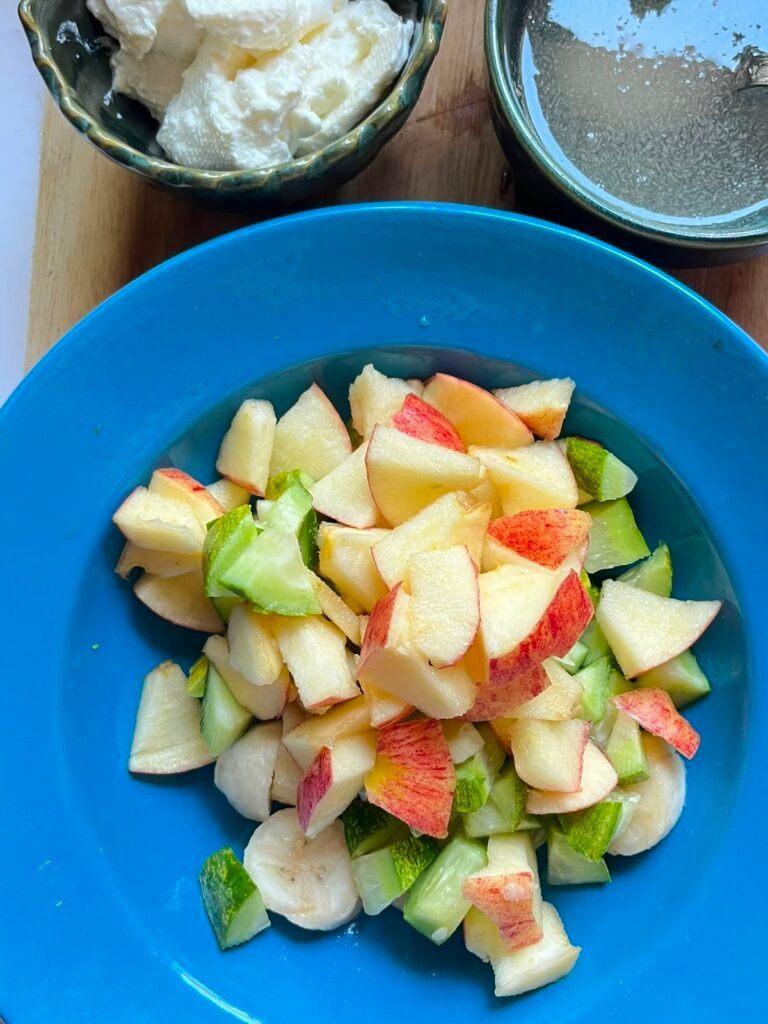
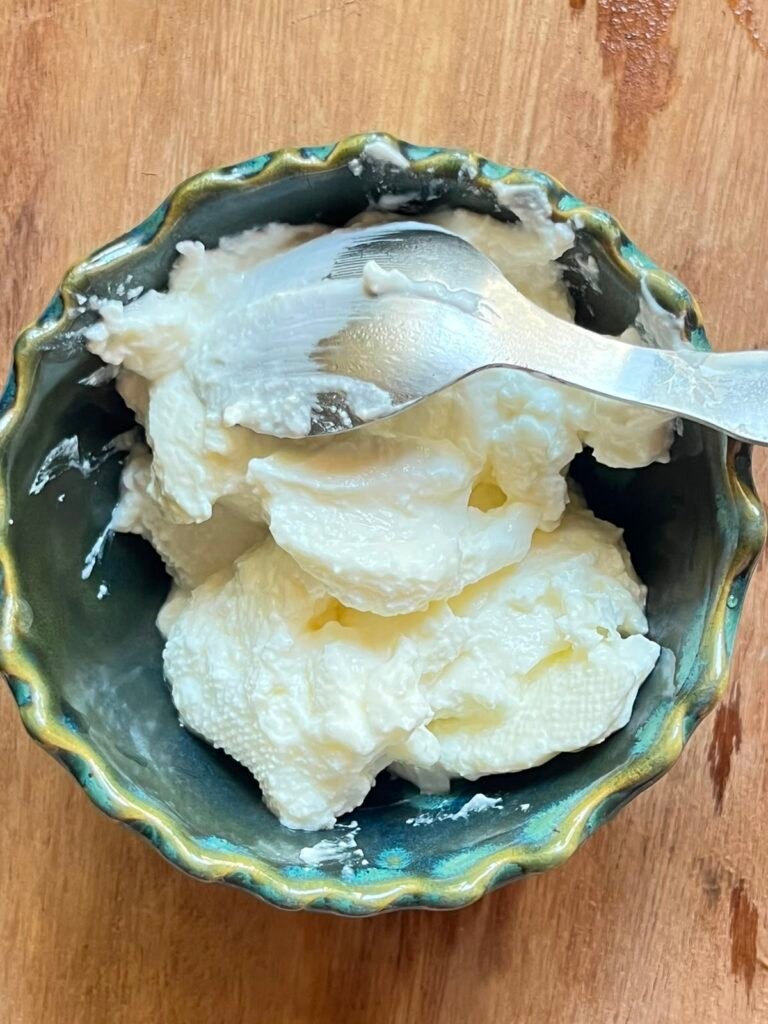
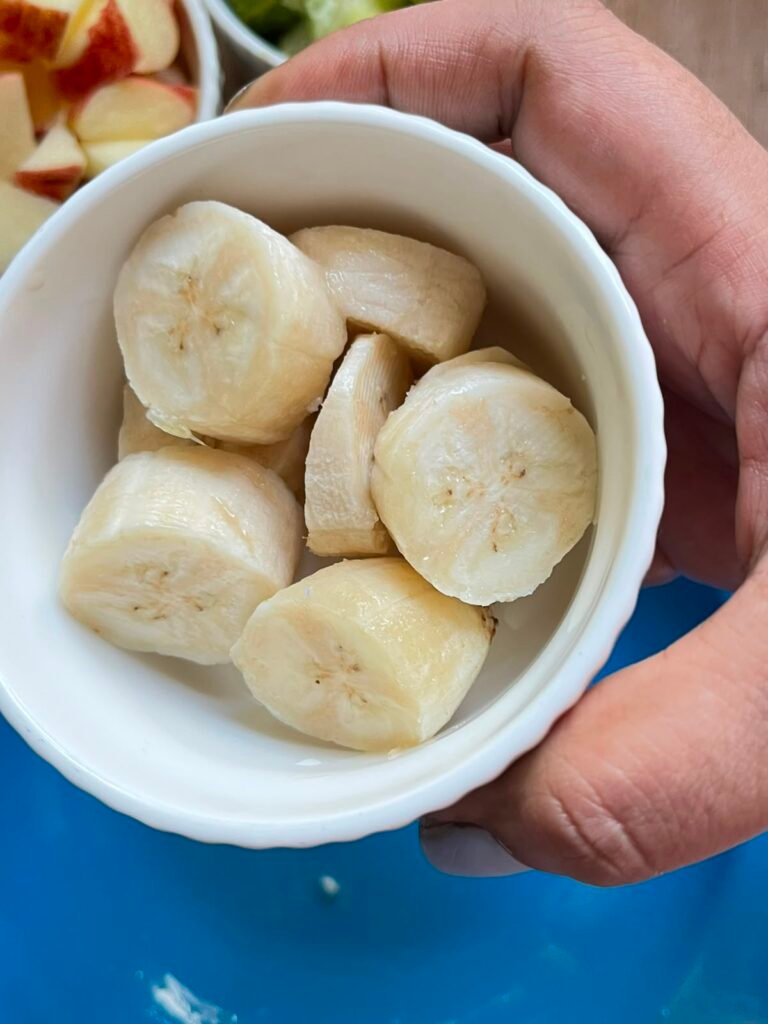
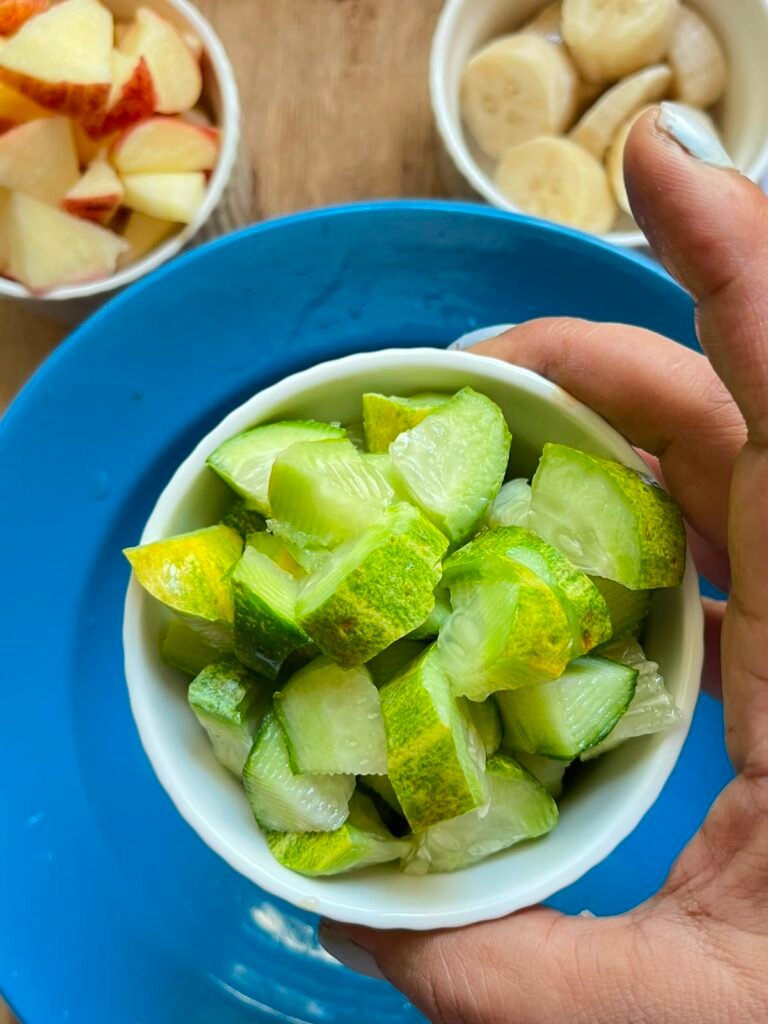
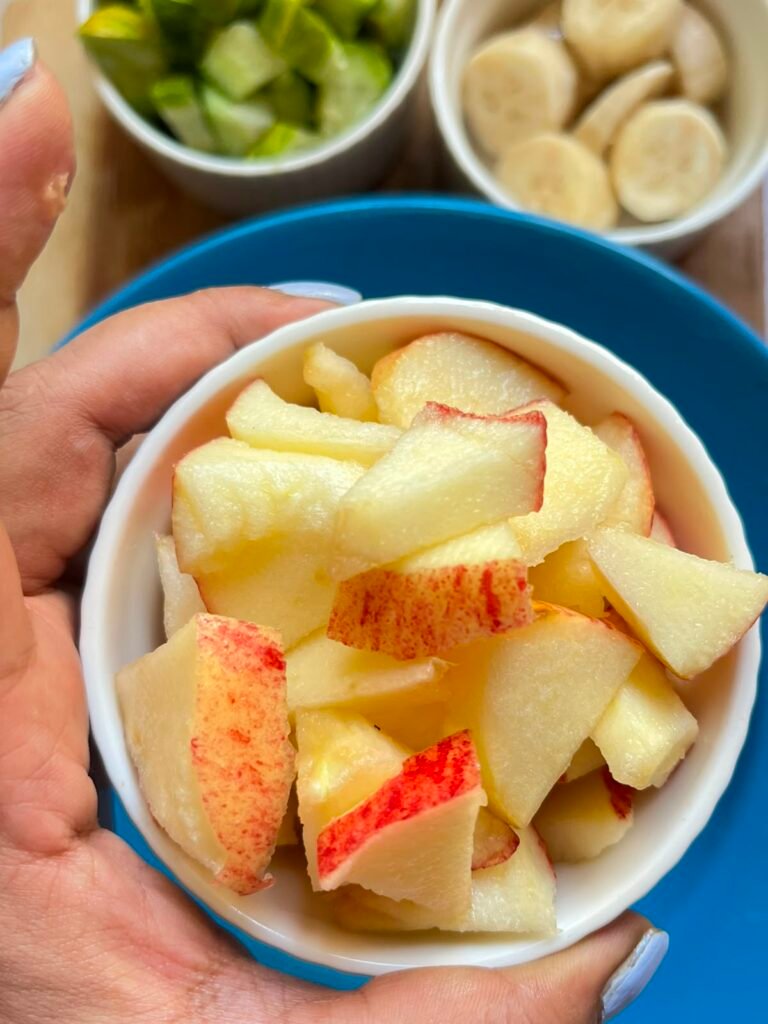
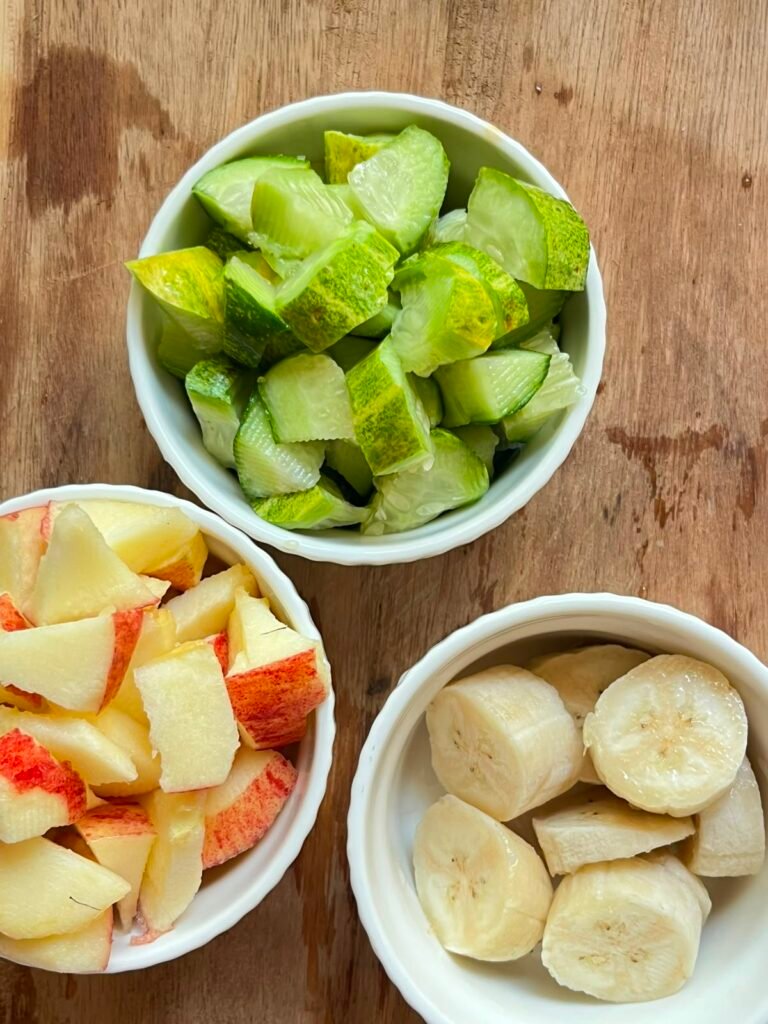
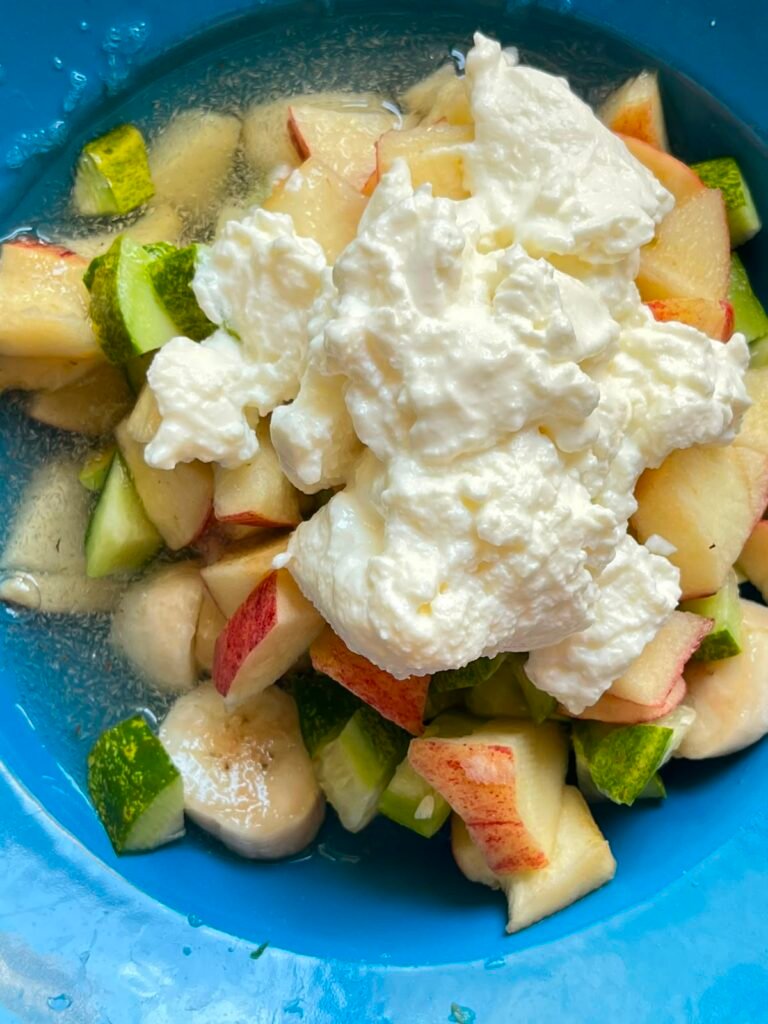
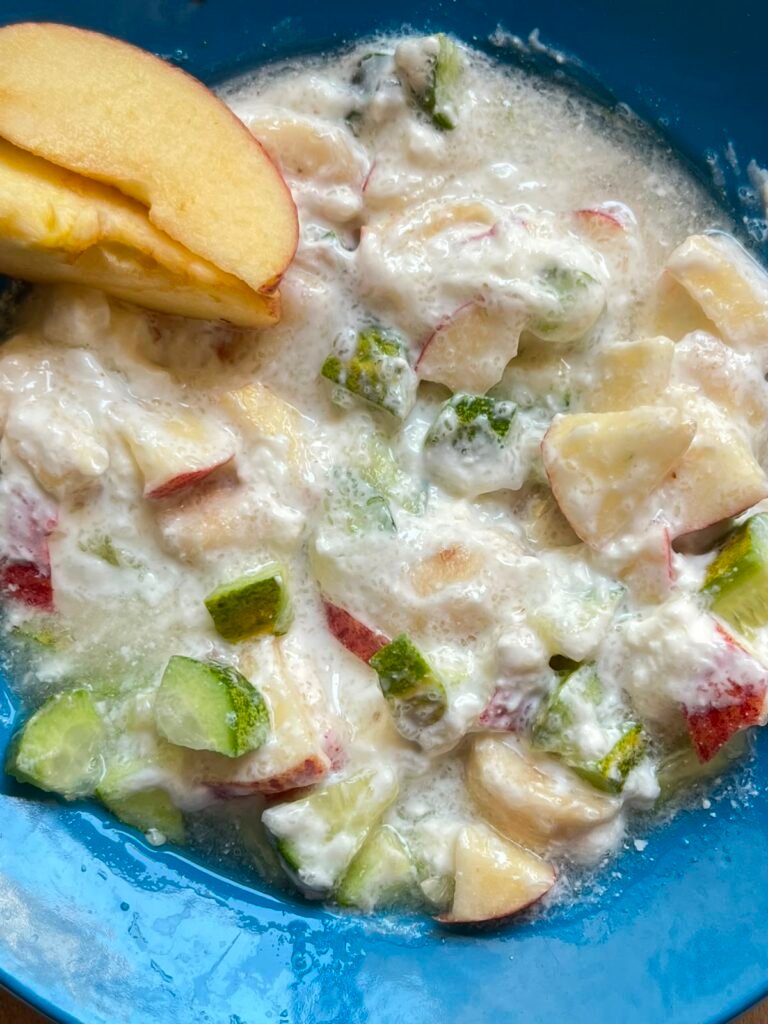
Once the husk is soaked, I add lactose-free hung curd (hung curd), then chopped apple (seb), banana (kela), and cucumber (kheera). I mix it all together and eat it before my lunch, then I have my protein, and by the time I get to the carbs I am genuinely not that hungry, so I eat only a little rice or roti. That last part matters as much as the bowl itself.
Why lactose-free hung curd and not regular curd?
I use lactose-free hung curd for two reasons. First, hung curd is thicker and higher in protein than regular curd because the whey has been strained out, so it adds to the protein layer I am trying to build before the carbs. Second, I use the lactose-free version because ordinary dairy can be hard on my gut, and the last thing I want is to fix my blood sugar and upset my stomach in the same meal.
If regular curd sits fine with you, that is your call, but the lactose-free version is what keeps this gentle for me.
Is this blood sugar salad bowl good for IBS?
This is where I have to be honest, because my whole blog runs on honesty about my gut. This bowl is gut-aware, but I would not call it strictly low-FODMAP as written. Apple and banana both carry FODMAPs, and larger portions of either can set off my symptoms.
So I keep them to half portions, a small amount of each, and at that level they sit gently with me. If your gut is more sensitive than mine, start with even less, or swap in a lower-FODMAP fruit you already know you tolerate, like a few strawberries or some kiwi. Al though I make one Big blood sugar salad bowl and store in Fridge for 1 day in Glass Container or Box .
The cucumber and the lactose-free hung curd are the gentle backbone of the bowl. The psyllium husk itself is generally kind to the gut and is often used to help with regularity. So the structure is friendly; it is really just the fruit portions you want to watch if you have IBS like I do.
Can you change the fruits and vegetables in the bowl?
Yes, and you should make it yours. The bowl is not a strict recipe so much as a template: soaked fiber, a protein base, and then whatever fruit and veg you like and tolerate. Some days I use cucumber and a little apple only. Other days I add a few pomegranate seeds or some papaya. The point is the order and the layer, fiber and protein before carbs, not the exact fruit. Build it around what your body is happy with.
When should you eat it?
I eat mine right before lunch, because lunch was where my crash always hit. But the same idea works before any meal that is heavy on carbs. This blood sugar salad bowl only does its job if it comes first, before the rice or roti or bread, because the whole point is to lay the fiber-and-protein blanket down before the carbs arrive. Eating it after the meal does not do the same thing.
What difference did it actually make for me?
The honest answer is that the afternoon weakness that used to flatten me most days eased off once I started eating this way. I am not going to promise you numbers or medical outcomes, because I am sharing my own experience and everyone’s body is different.
What I can tell you is that a simple bowl I can actually enjoy replaced a fiber routine I hated, and I have stuck with it, and that consistency is the real win. If your afternoons crash the way mine used to, this is worth trying, and worth talking through with your own doctor or dietitian.
How does this fit into a whole day of eating?
One thing I have learned living with both a prediabetic tendency and IBS is that no single bowl fixes everything. This one solves a specific problem, the after-lunch crash, but it works best as part of a steadier rhythm across the day.
I try not to leave huge gaps between meals anymore, because a long empty stretch followed by a big plate is exactly the pattern that used to wreck me. So I eat something reasonable at breakfast, I keep this bowl and my protein before lunch, and I try to keep my evening meal from being a pile of plain carbs too.
The bowl also quietly solves a portion problem for me. Because I eat the fiber and the hung curd first, I genuinely arrive at the rice or roti less hungry, so I take less without having to force any willpower. That was a surprise. I expected to fight myself at every meal, and instead the order of eating did the work for me. For anyone who struggles with portion control at lunch, that alone might be worth trying, separate from the blood sugar side of things.
What if you do not have all the ingredients?
Do not let a missing ingredient stop you. The two things that matter most are the soaked psyllium husk and a protein base, because those are what form the layer before your carbs. If you have no cucumber, skip it.
If you have a different fruit you tolerate, use that. If you only have plain lactose-free curd and not hung curd, that still works, it is just a little thinner and slightly lower in protein. I would rather you make a rough version and actually eat it than skip the whole thing waiting for a perfect shopping list. The habit matters more than the exact recipe.
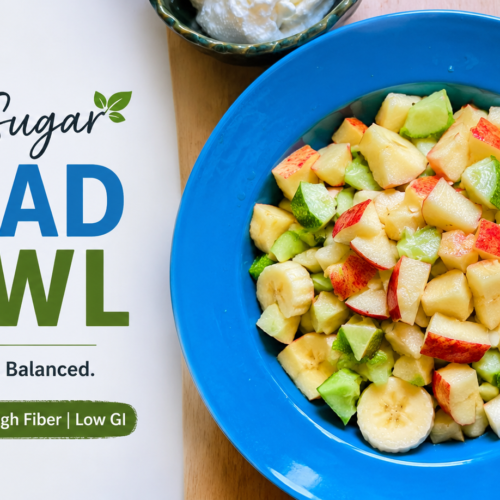
Blood sugar salad bowl recipe

Equipment
- 1 Big Bowl
Ingredients
- 1 tsp psyllium husk isabgol, soaked in 2 tbsp water for a few minutes
- ½ cup lactose-free hung curd hung curd — about 120 g
- ½ small apple seb, chopped — about 70 g
- ½ small banana kela, chopped — about 50 g
- ½ cup cucumber kheera, chopped — about 60 g
Instructions
- Soak the psyllium husk in 2 tablespoons of water for 3 to 5 minutes until it swells. Never add it dry.
- In a bowl, add the lactose-free hung curd.
- Add the chopped apple, banana and cucumber.
- Add the soaked psyllium husk and mix everything together.
- Eat this bowl before your lunch, then have your protein, then a small portion of carbs.
Video
Notes
Breakfast options You can try Blueberry Chia Pudding –No Sugar, IBS-Friendly Breakfast
Low FODMAP High Protein Dessert – Tiramisu Chia Pudding Sweet Corn Fritters IBS Friendly Snacks -Low Fodmap
Frequently Asked Questions
What is a blood sugar salad bowl?
A blood sugar salad bowl is a quick, no-cook bowl made with soaked psyllium husk, lactose-free hung curd, apple, banana, and cucumber. It’s eaten before a meal so the fibre and protein are consumed before carbohydrates, helping slow carbohydrate absorption. For many people, this can help reduce sharp blood sugar spikes after meals.
Why do you soak the psyllium husk first?
Psyllium husk expands significantly when it comes into contact with liquid. Soaking it in water for a few minutes allows it to swell before eating, making it easier and more comfortable to swallow. Adding psyllium dry is not recommended because it absorbs liquid rapidly after you eat it.
Is the blood sugar salad bowl low-FODMAP?
Not strictly. Apple and banana naturally contain FODMAPs, so keeping them to small portions may make the bowl easier to tolerate. If your gut is especially sensitive, reduce the fruit or substitute it with an option you tolerate better, such as a few strawberries. The cucumber, lactose-free hung curd, and psyllium husk form the gentler base of the recipe.
Can I use regular curd instead of lactose-free hung curd?
Yes, if you tolerate regular dairy well. Lactose-free hung curd is used because it is thicker, naturally higher in protein, and easier to digest for people who are sensitive to lactose. The extra protein also helps create a satisfying layer before eating carbohydrates.
When should I eat the blood sugar salad bowl?
Eat it immediately before a carbohydrate-rich meal, not afterwards. The goal is to consume the fibre and protein first so they slow the digestion and absorption of the carbohydrates that follow. Many people enjoy it before lunch, but it can also be eaten before other carb-heavy meals.
🌿 Love gut-friendly recipes? Add Caloriematterss as your Google Preferred Source so my low-FODMAP, high-protein recipes show up more often for you. Set Caloriematterss as a preferred source →