Best Foods to Eat With IBS — A Complete FODMAP Guide for Indian and Global Diets
📌 TL;DR
The key idea: IBS is highly individual, but the low-FODMAP framework is the best-evidenced starting point for working out your safe foods
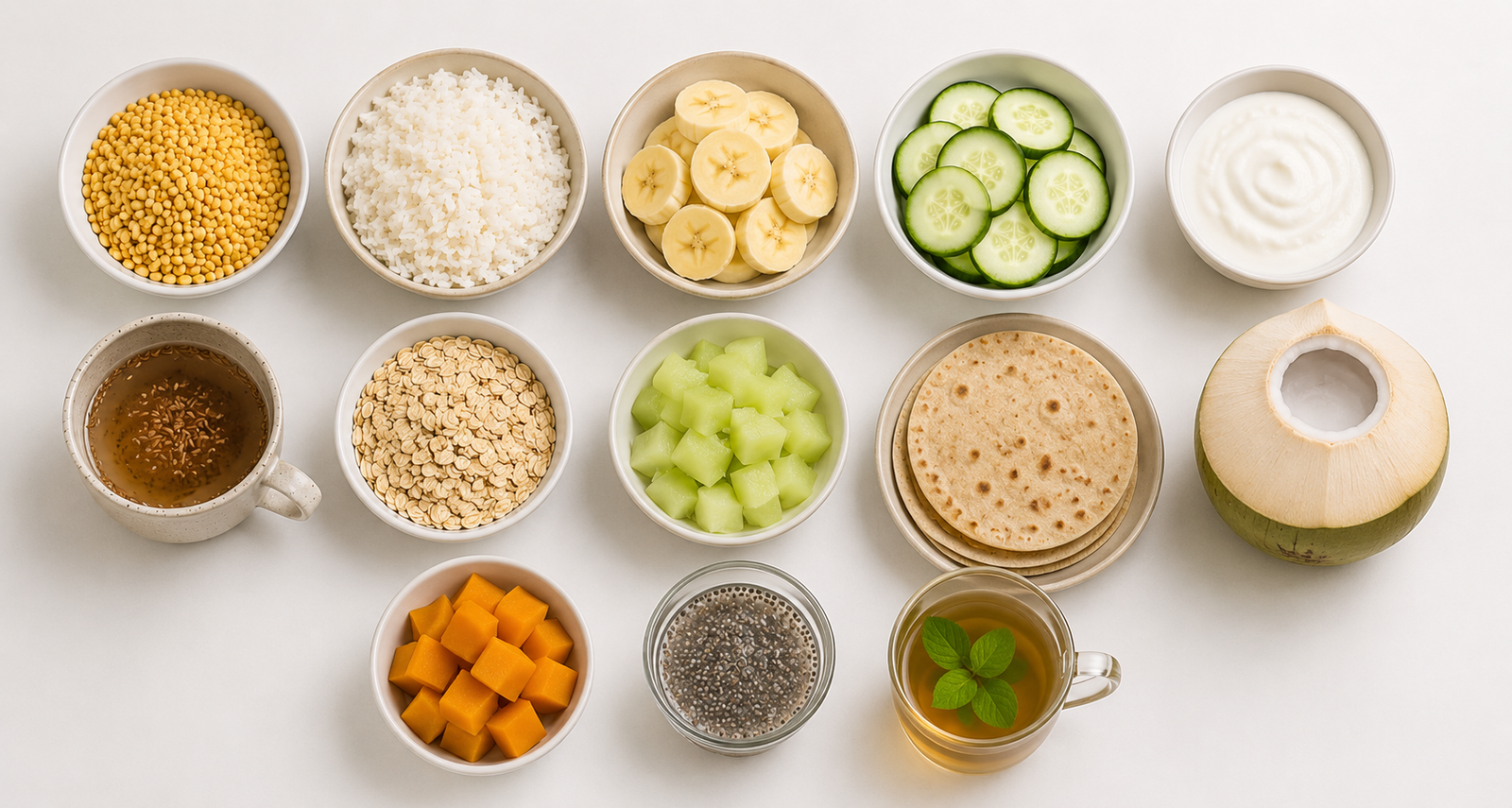
Safest foods: Moong dal (split green gram), white rice, lauki (bottle gourd), eggs, fish, ripe banana, cucumber, ginger
Biggest triggers: Onion, garlic, wheat, rajma (kidney beans), chana (chickpeas), apple, mango, excess dairy
Includes: Full low and high FODMAP lists for both Indian foods and foods available outside India
Remember: Portion and preparation matter as much as the food itself
What Should You Eat When You Have IBS?
A complete guide to the best food to eat in IBS — full low and high FODMAP lists for Indian and global diets, the 13 safest foods, and flare-day meals.
If you are tired of feeling bloated, gassy, or painfully full after even the simplest meal, you are not alone. IBS (irritable bowel syndrome) is unpredictable and often misunderstood. One day rice works, the next day it does not. Working out the right foods to eat is the single biggest lever you have for calming your gut.
This is a complete guide to the foods that are generally safe with IBS, the ones that commonly trigger it, and how to cook and combine them — covering both Indian foods and foods available outside India, since IBS does not care where you live.
It is built around the low-FODMAP framework, which is the most scientifically validated approach to identifying IBS triggers. But the most important principle to hold onto is that IBS is individual: these lists are a starting point, not a rulebook, and your own gut always has the final say.
Table of Contents
What Is the FODMAP Diet and Why Does It Matter for IBS?
FODMAP stands for Fermentable Oligosaccharides, Disaccharides, Monosaccharides, and Polyols — types of carbohydrate that are poorly absorbed in the small intestine and ferment in the gut, producing the gas, bloating, and cramping that characterise IBS. The low-FODMAP diet, developed by Monash University, is the most evidence-backed dietary approach for managing IBS symptoms.
It is important to understand that low-FODMAP is not meant to be permanent. The usual approach is to reduce high-FODMAP foods for a few weeks until symptoms settle, then reintroduce them one at a time to identify your personal triggers. Many foods are also dose-dependent — safe in a small portion but triggering in a large one. That is why portion size appears so often in the lists below.
Which Indian Foods Are Low FODMAP and Safe for IBS?
These are generally well-tolerated Indian foods in normal portions, organised by category.
| Category | Low FODMAP Indian foods (IBS-safe) |
|---|---|
| Grains | Rice, ragi (finger millet / nachni), poha (flattened rice), oats, suji (semolina) in moderation |
| Pulses | Moong dal (split green gram), masoor dal (red lentils) in small portions |
| Vegetables | Lauki (bottle gourd), tori (ridge gourd), palak (spinach), gajar (carrot), kaddu (pumpkin), kheera (cucumber), tinda (apple gourd), beans in small amounts |
| Fruits | Ripe banana (kela, half), papaya (papita), kiwi, orange (santra) in moderation |
| Proteins | Eggs, chicken, fish, tofu, paneer (cottage cheese) in small portions if tolerated |
| Spices | Hing (asafoetida), jeera (cumin), dhania (coriander), haldi (turmeric), saunf (fennel), adrak (ginger) |
| Fats | Ghee (clarified butter), coconut oil in small amounts, ground alsi (flaxseed) |
| Drinks | Jeera-saunf (cumin-fennel) tea, ginger water, ajwain (carom) tea, chaas (buttermilk) if dairy is tolerated |
Which Global Foods (Outside India) Are Low FODMAP?
For readers outside India, or anyone whose kitchen is not primarily Indian, here are widely available low-FODMAP options.
| Category | Low FODMAP global foods (IBS-safe) |
|---|---|
| Grains | White rice, oats, quinoa, gluten-free bread and pasta, rice cakes |
| Vegetables | Carrot, cucumber, courgette (zucchini), spinach, bell pepper, green beans, potato, aubergine (eggplant) |
| Fruits | Ripe banana, strawberries, blueberries, kiwi, orange, grapes, pineapple (small portions) |
| Proteins | Eggs, chicken, fish, firm tofu, tempeh, lactose-free yoghurt |
| Dairy | Lactose-free milk, hard cheeses (cheddar, parmesan), lactose-free yoghurt |
| Nuts and seeds | Pumpkin seeds, sunflower seeds, walnuts, chia seeds, peanuts (small portions) |
| Fats and drinks | Olive oil, garlic-infused oil, peppermint tea, ginger tea |
Which Foods Are High FODMAP and Should Be Limited With IBS?
These commonly trigger IBS symptoms and are best reduced, especially during a flare. Both Indian and global high-FODMAP foods are listed.
| Category | High FODMAP foods to limit (common triggers) |
|---|---|
| Aromatics | Onion (pyaaz), garlic (lehsun) — the two biggest triggers |
| Vegetables | Cabbage (patta gobhi), cauliflower (phool gobhi), mushrooms, large amounts of beans |
| Grains | Wheat (gehu), maida (refined flour), bakery items, regular bread and pasta |
| Pulses | Rajma (kidney beans), chana (chickpeas), whole urad dal (black gram), chole — unless sprouted and in tiny amounts |
| Fruits | Apple (seb), mango (aam), watermelon (tarbooz), pear, cherries, dried fruit |
| Dairy | Regular milk, large amounts of paneer, soft cheeses — unless lactose-free or well-fermented |
| Other | Sugar-free gums and sweets (polyols), sodas, processed sauces, honey in large amounts |
What Are the 13 Best Food to Eat in IBS?
1. Moong Dal (Split Green Gram) — Why Is It the Safest Dal?
Moong dal (split green gram) is low FODMAP, easy to digest, and rich in protein — ideal especially for constipation-prone IBS. Cook it light, without onion or garlic and not too much ghee. Moong dal khichdi with jeera (cumin) and hing (asafoetida) is the gentlest way to eat it.
2. Cooked White Rice — Is Rice Really IBS-Friendly?
Yes — white rice is genuinely IBS-friendly when eaten with gut-calming spices. Pair it with lauki (bottle gourd) curry, a jeera (cumin) tadka, or curd (dahi) at lunch. Avoid fried rice, biryani, and heavy store-bought pulao, which add the triggers rather than the rice being the problem.
3. Ripe Banana (Kela) — When Should You Eat It?
A small ripe banana (kela) is low in fermentable fibre and high in potassium — great for IBS-D and post-flare recovery. Eat it in the morning or as a snack rather than at night. An under-ripe banana is higher FODMAP, so let it ripen.
4. Cucumber (Kheera) — How Does It Help?
Peeled and de-seeded cucumber (kheera) is cooling, hydrating, and helps reduce acidity-related flare-ups. Add it to a salad with pink salt and pudina (mint), or blend it into chaas (buttermilk) if you tolerate dairy.
5. Curd (Dahi) at Lunch — Can You Eat Dairy Curd With IBS?
If you tolerate dairy, homemade curd (dahi) is full of probiotics — but the timing matters. Eat it at room temperature, at lunch rather than at night, and avoid it if you are lactose sensitive. If dairy is a trigger, use coconut curd instead.
Blood Sugar Salad Bowl (High-Fiber, High-Protein Bowl)
6. Ajwain (Carom) Water — Why Is It Good for Bloating?
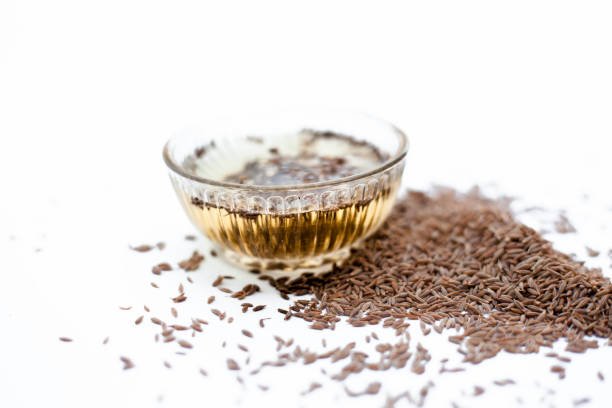
Ajwain (carom seeds) is one of the most reliable remedies for bloating and gas. Boil half a teaspoon ajwain with a quarter teaspoon jeera (cumin) and a pinch of rock salt, and drink it after meals.
7. Oats — How Do They Help Both IBS-C and IBS-D?
Rolled or steel-cut oats are a good source of soluble fiber, which helps bulk stools in both constipation and diarrhea-predominant IBS. Cook them with water or almond milk. Avoid raw oats and instant flavoured packets, which often contain triggers.
No Sugar No Cream Ice Cream- Apple Banana Flavour (4 Ingredients)
8. Steamed Lauki (Bottle Gourd) — Why Is It So Gentle?
Lauki (bottle gourd) is one of the safest foods for IBS — light, alkaline, and anti-inflammatory. Season it with hing (asafoetida), haldi (turmeric), and jeera (cumin), and avoid chilli or tomato when your gut is sensitive.
7-Day Gut Reset Plan (Low-FODMAP, High-Protein )
9. Gluten-Free Rotis — Why Switch From Wheat?
Wheat (gehu) can be a hidden IBS trigger because of its fructan content. Switching to gluten-free rotis helps — try moong (green gram) flour roti, rice flour roti, or ragi (finger millet) roti with a gentle sabzi.
10. Fresh Coconut Water (Nariyal Pani) — When Is It Useful?
Fresh coconut water (nariyal pani) is high in electrolytes, which makes it ideal during IBS-D or heat-triggered flares. Avoid bottled versions with preservatives or added sweeteners, which can themselves trigger symptoms.
11. Pumpkin (Kaddu) — How Does It Calm the Gut?
Boiled or stir-fried pumpkin (kaddu) eases constipation and soothes the gut lining. A lauki-kaddu (bottle gourd and pumpkin) mixed sabzi with ghee (clarified butter) and hing (asafoetida) is a gentle, comforting option.
12. Chia Seeds (Soaked) — Why Soak Them First?
Soaked chia seeds help regulate bowel movements and hydrate the colon. Always soak them overnight rather than eating them dry. Use them in a smoothie, porridge, or a simple mid-morning pudding.
13. Herbal Teas — Which Ones Calm the Gut?
Fennel (saunf), mint (pudina), and chamomile teas are natural muscle relaxants that calm spasms, reduce bloating, and ease the anxiety-related side of IBS. Sip them warm, not hot or iced.
What Are the Best Cooking Methods for IBS?
| Method | Why it helps |
|---|---|
| Steaming | Retains nutrients and is easy to digest |
| Boiling | Breaks down tough fibres |
| Dry roasting | For jeera (cumin), ajwain (carom), and saunf (fennel) before use |
| Pressure-cooking | Makes pulses much more gut-friendly |
What Are the Most Common IBS Food Mistakes?
| Mistake | Better alternative |
|---|---|
| Eating curd (dahi) at night | Have it at lunch with rice instead |
| Raw salads during a flare | Steam the vegetables instead |
| Onion and garlic tadka | Use hing (asafoetida), ginger, and jeera (cumin) |
| Instant oats with milk | Use rolled oats with almond milk |
| Store-bought masala mixes | Use homemade dry spice blends |
What Should You Eat During an IBS Flare-Up?
When you are bloated or in pain, strip it back to the gentlest possible food: a thin moong dal (split green gram) soup, steamed lauki (bottle gourd) or kaddu (pumpkin), thin rice porridge with jeera (cumin) and no curd, ginger-fennel tea every few hours, and a teaspoon of soaked chia seeds in lukewarm water. These soothe inflammation without overloading the gut. Stay on these for a day or two until symptoms settle, then gradually rebuild.
How Do You Save Time With IBS Meal Prep?
A few habits make eating this way sustainable. Soak dals, chia, and methi (fenugreek) overnight. Pressure-cook in bulk and store in glass containers. Avoid leftovers beyond a day, as older food can be harder on a sensitive gut. And it helps to mentally label meals as lunch-safe versus flare-day-safe, so you always know what to reach for when symptoms hit.
Frequently Asked Questions
Which foods are safe to eat for IBS?
Choose low-FODMAP options like ripe bananas, papaya, carrots, spinach, bottle gourd (lauki), oats, white rice, eggs, boiled chicken, fish, and moong dal in small portions. These are the safest foods to eat in IBS because they digest easily and don’t ferment in the gut the way high-FODMAP foods do.
Can I include dairy if I have IBS?
Stick to lactose-free dairy or alternatives like almond, oat, or coconut milk. Fresh curd (dahi) at lunch only works for some people with IBS, but avoid it at night and if you’re lactose-sensitive. Regular dairy may trigger symptoms, so test small amounts and observe your own response.
Are nuts and seeds okay for IBS?
Small portions of almonds, macadamia nuts, chia seeds, and ground flaxseeds are usually well-tolerated. Avoid large servings or high-FODMAP nuts like cashews and pistachios. Soak chia seeds overnight to make them easier to digest, and eat nuts as a midday snack, not at meals.
What are the biggest IBS trigger foods I should avoid?
The main triggers are onion (pyaz) and garlic (lehsun), wheat (gehu), maida (refined flour), beans and rajma (kidney beans), chole (chickpeas), heavy lentils like urad dal and chana dal, high-FODMAP fruits like apples and mangoes, and sugar-free sweeteners. These ferment in the gut and spike bloating and pain almost immediately in IBS.
How long does it take to feel better after changing to IBS-friendly foods?
Bloating and gas usually improve within 3 to 5 days of removing onion, garlic, and high-FODMAP triggers. Full symptom relief and better digestion take 2 to 4 weeks of consistent eating of low-FODMAP foods. The timeline depends on your individual gut bacteria and how sensitive your system is, but most people notice a significant shift within the first week.
🌿 Love gut-friendly recipes? Add Caloriematterss as your Google Preferred Source so my low-FODMAP, high-protein recipes show up more often for you. Set Caloriematterss as a preferred source →