Does Intermittent Fasting Work for Indian Women With IBS?
📌 Quick Guide
The honest answer: Intermittent fasting helps some women with IBS and makes others worse — it is genuinely individual
If you try it: A gentle early window (around 9am–5pm) suits Indian digestion better than a late 12pm–8pm window
Gentlest option: 14:10 or even 12:12 — long fasts often worsen IBS, so start short
Break the fast gently: Soft, warm, simple food — never spicy, oily, or heavy
Important: Fasting affects women’s hormones differently — check with your doctor before starting, especially with IBS or PCOS
Can Intermittent Fasting Actually Help if You Have IBS?
Struggling with IBS and belly fat? 7 Truths About Intermittent Fasting for Indian Women with IBS & Belly Fat . you have tried every diet, nothing has helped your IBS, and that lower belly weight will not move. So the question comes up: can intermittent fasting work for me?
Here is the honest answer, before anything else: intermittent fasting helps some women with IBS and makes others worse. It is not a universal solution, and anyone who tells you it definitely will or will not work for you does not know your gut. For some women with IBS, bloating, hormonal stress, and stubborn weight, a gentle fasting structure genuinely helps. For others, the longer gaps trigger acid, cramping, and flares. The difference is entirely in how it is done and how your individual gut responds.
This post covers both sides honestly — when fasting can go wrong for IBS, when it can help, and how to do it as gently as possible if you decide to try.
Table of Contents
Why Can Intermittent Fasting Go Wrong for Women With IBS?
It is worth understanding the risks first, because this is where most people get into trouble. Several common mistakes can turn fasting from helpful to harmful for a sensitive gut.
| Problem | What can happen |
|---|---|
| Fasting too long | Acid reflux, bloating, gas |
| Breaking the fast with the wrong food | Loose motion or cramps |
| Hormonal stress from under-eating | Cortisol spike, which can drive fat gain |
| Not hydrating during the fast | Constipation, fatigue |
| Cutting fat too aggressively | Gallbladder stress, possible IBS flare |
If you already have severe IBS, long fasts in particular can make symptoms worse rather than better. This is why a gentle, short window is the only sensible starting point, and why some people with IBS are better off not fasting at all.
Why Does Intermittent Fasting Help Some Women With IBS?
For the women it does suit, fasting works because it gives the digestive system a genuine break. With IBS, the gut lining is already sensitive, and constant snacking, irregular meal times, or heavy late-night food never give it a chance to reset. Structured gaps between meals allow inflammation to settle and digestion to find a rhythm.
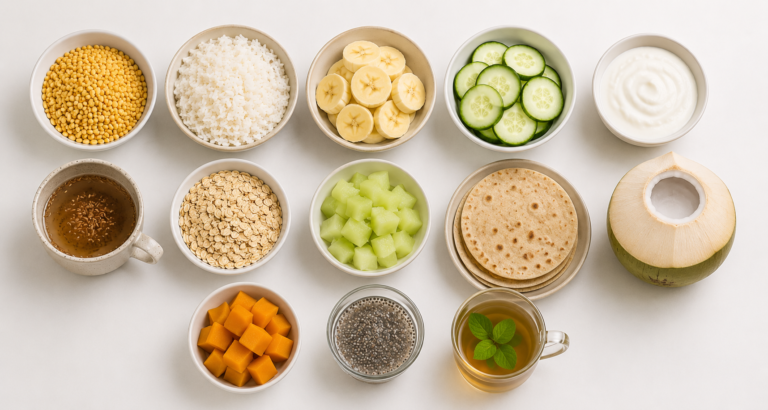
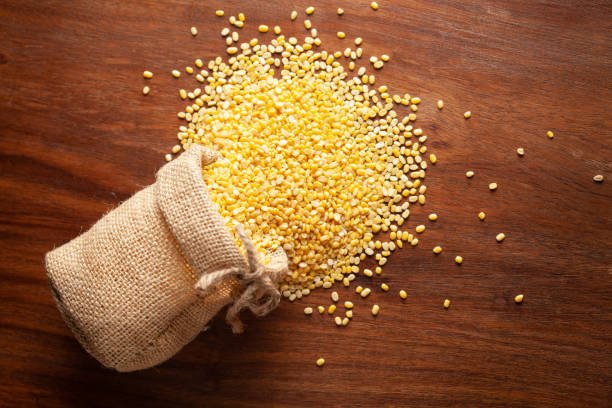
Some women report fewer flares on a gentle 12:12 or 14:10 window — less bloating, fewer cravings, and a slimmer middle over time. The likely reasons are steadier insulin levels and a gut that is no longer constantly processing food. Traditional Indian meals like moong dal khichdi, coconut chutney with idli, or an ajwain-infused sabzi are naturally easy to digest, and eaten within a sensible window they support both gut comfort and gradual fat loss.
But this only holds when fasting is done gently — breaking the fast with soft, mild food rather than spicy or oily dishes, sleeping well, hydrating through the fasting hours, and avoiding very long gaps if your IBS is severe. Done this way, fasting removes some of the food-related stress on the gut. Done carelessly, it adds to it.
What Is the Best Fasting Window for Indian Women With IBS?
Why Is an Early Window Better Than a Late One?
An eating window of roughly 9am to 5pm tends to suit Indian digestion far better than the popular 12pm to 8pm window. Digestion is naturally strongest in the first half of the day, so eating earlier reduces bloating and works with your body’s rhythm rather than against it. Finishing food by early evening also means your gut is not processing a meal while you are trying to sleep.
How Should You Break the Fast?
Gently, always. Around 9am, start with something light — jeera (cumin) and amla water, followed by soft poha with ghee, boiled eggs, or sabudana (tapioca). Avoid breaking the fast with spicy paratha, milk tea, or pickle, all of which can shock a gut that has been resting.
What Should Lunch Look Like?
Lunch around 11:30am to 12pm is the main meal. Rice with ghee and dal, a chicken stew, or moong khichdi all work well. A tablespoon of soaked sabja (basil seeds) before the meal supports the gut lining and smooth digestion.
What Works for an Afternoon Snack?
Around 4pm, a digestive tea of cinnamon, ginger, and lemongrass with some roasted makhana (fox nuts) or a date with coconut keeps you going until the window closes. Avoid black coffee, fried snacks, and milk biscuits, which work against the gut-calming purpose of the fast.
What Should You Avoid While Fasting With IBS?
A few things consistently cause trouble and are worth avoiding. Coffee on an empty stomach can trigger acid and urgency. Ajwain on a completely empty stomach can also trigger acidity for some, so take it with food. Pushing through stress or skipping meals entirely tends to worsen hormonal IBS rather than help it. And breaking the fast with heavy proteins — a rich chicken curry, or eggs loaded with chilli — is one of the fastest ways to cause cramping after a fasting period.
What Are the Benefits of Fasting for IBS When It Works?
| Benefit | Why it can help |
|---|---|
| Gut rest | Gives the gut lining time to settle between meals |
| Steadier blood sugar | Reduces cravings and insulin spikes |
| Hormone balance | Can improve cortisol, ghrelin, and leptin rhythm for some |
| Gradual fat loss | Supported by reduced overeating and steadier insulin |
These benefits are real for the women fasting suits — but they are not guaranteed, and they depend entirely on doing it gently and individually.

What Does a Gentle Daily IF Plan Look Like?
| Time | What to do |
|---|---|
| 7 AM | Warm jeera and saunf (fennel) water |
| 8:30 AM | Light yoga or a 10-minute walk |
| 9 AM | Break the fast with amla and a ghee-soaked light food |
| 12 PM | Main meal — dal rice or chicken stew with sabja |
| 4 PM | Digestive tea with dry fruit or makhana |
| 5 PM | Finish eating for the day |
| 6–10 PM | Only water and herbal tea, no food |
Treat this as a flexible template, not a strict rule. If any part of it does not suit your gut, adjust it — your own response always matters more than the schedule.
What Are the Most Common Fasting Mistakes With IBS?
The most frequent mistakes are fasting late into the night, which increases acidity; skipping meals entirely, which tends to worsen IBS rather than help it; relying on protein powders, which often trigger bloating; and breaking the fast with cold food, which traditional Indian thinking links to weaker digestion. Avoiding these few mistakes makes the difference between fasting that calms the gut and fasting that aggravates it.
Is the 14:10 Window a Gentler Option?
Yes — for IBS and PCOS, a 14:10 window (14 hours fasting, 10 hours eating) or even a simple 12:12 is far gentler than longer fasts like 16:8. It still gives the gut a meaningful overnight rest without the long daytime gaps that tend to trigger acid and cramping. If you are new to fasting or your IBS is sensitive, start here rather than with an aggressive window — you can always extend slightly later if it suits you, but most people with IBS do best keeping the fast gentle.
7-day diet plan for IBS recovery — https://caloriematterss.com/powerful-diet-plan-for-ibs-recovery-and-gut-relief/ how to lose belly fat without dieting — https://caloriematterss.com/how-to-lose-belly-fat-without-dieting/ best dals for IBS — https://caloriematterss.com/best-dals-for-ibs/
Blue Pea Tea For Weight Loss –Ginger, Cinnamon & Lemon
Frequently Asked Questions
Is intermittent fasting safe for women with IBS?
It can be for some, but it is genuinely individual — fasting helps some women with IBS and worsens it for others. The safest approach is a gentle, short window like 12:12 or 14:10, eaten earlier in the day, with the fast broken on soft, mild food. Long fasts often trigger acid and cramping in sensitive guts. Because fasting also affects women’s hormones differently and can interact with conditions like PCOS, it is worth checking with your doctor before starting, especially if your IBS is severe.
What is the best fasting window for IBS and hormonal balance?
An early window of around 9am to 5pm tends to suit Indian digestion and hormones better than a late 12pm to 8pm window. Digestion is strongest in the first half of the day, so eating earlier reduces bloating and lets the gut rest before sleep. In terms of length, a gentle 12:12 or 14:10 is far better for IBS and PCOS than aggressive 16:8 or longer fasts, which tend to spike stress hormones and trigger symptoms.
Can intermittent fasting worsen gas, acidity, or bloating?
Yes, it can — this is the main risk for people with IBS. Fasting too long, having coffee or ajwain on a completely empty stomach, or breaking the fast with spicy or oily food can all trigger acid, gas, and bloating. If you notice your symptoms getting worse rather than better after starting to fast, that is a clear sign the approach is not right for your gut. Shorten the fast, break it more gently, or stop altogether — worsening symptoms are not something to push through.
What should you eat to break a fast with IBS?
Break the fast gently with soft, warm, simple food. Good options are soft poha with a little ghee, boiled eggs, sabudana (tapioca), or jeera and amla water to start. Avoid spicy paratha, milk tea, pickle, heavy proteins, and cold food when breaking a fast — these can shock a gut that has been resting and cause cramping or loose motion. The gentler the food you break with, the less likely the fast is to trigger symptoms.
Is intermittent fasting effective for belly fat and bloating?
For some women it helps with both — steadier insulin can support gradual fat loss, and giving the gut a rest can reduce bloating. But fasting is not a guaranteed or magic fix for belly fat; it works mainly by helping you eat in a more structured way and reducing overeating, which still depends on overall food balance. And for people whom fasting does not suit, it can increase bloating rather than reduce it. As with all of this, the honest answer is that it depends on your individual gut and how gently you do it.
🌿 Love gut-friendly recipes? Add Caloriematterss as your Google Preferred Source so my low-FODMAP, high-protein recipes show up more often for you. Set Caloriematterss as a preferred source →
Medical Disclaimer
This article shares general information and personal experience, not medical advice. Intermittent fasting is not suitable for everyone — it can affect women’s hormones and may worsen some health conditions. Please consult a doctor or registered dietitian before starting, especially if you have IBS, PCOS, diabetes, a history of disordered eating, or are pregnant or nursing.