Blue Pea Tea for Weight Loss – Ginger, Cinnamon & Lemon (IBS-Friendly, Zero Calories)
📌 Quick Guide
What it is: Blue pea flowers (aparajita) boiled with cinnamon stick and ginger, strained, then lemon squeezed in — the colour shifts from deep blue to violet-purple the moment the lemon hits
Why it works: Blue pea flowers are rich in anthocyanins — antioxidants that reduce inflammation, support fat metabolism, and calm the gut lining
IBS-friendly: Yes — zero caffeine, zero sugar, no gut irritants. Ginger and cinnamon actively support digestion
Best time: Morning or mid-afternoon | Calories: ~5 kcal per cup
Blue Pea Tea for Weight Loss
This Blue Pea Tea for Weight Loss – Ginger, Cinnamon & Lemon is IBS-Friendly and Zero Calories. The first time I made this, I stood in the kitchen watching it change colour and forgot I was supposed to be drinking it.
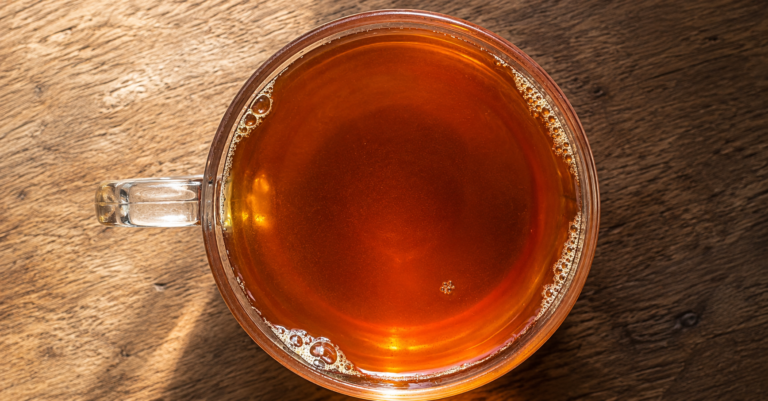
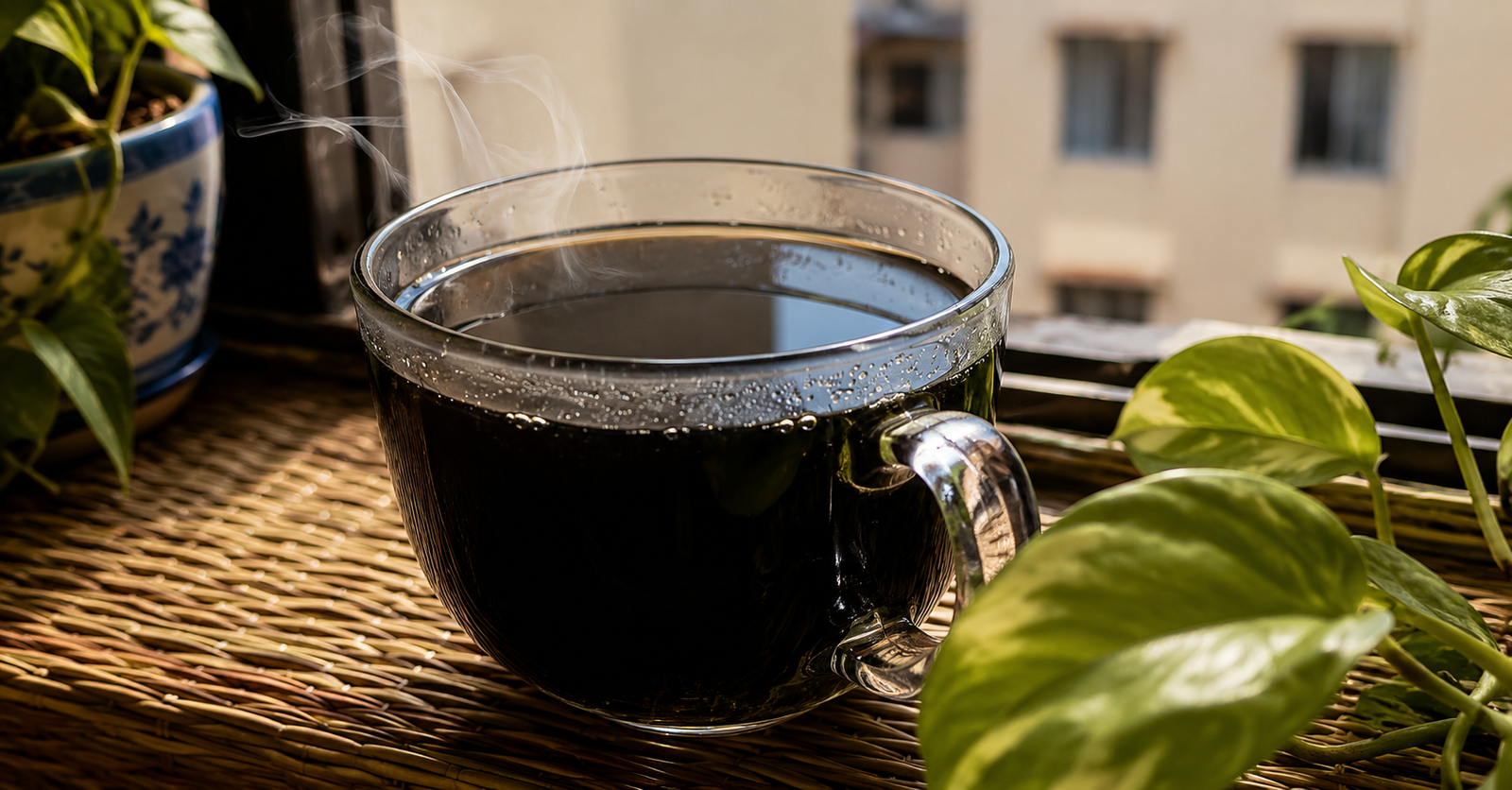
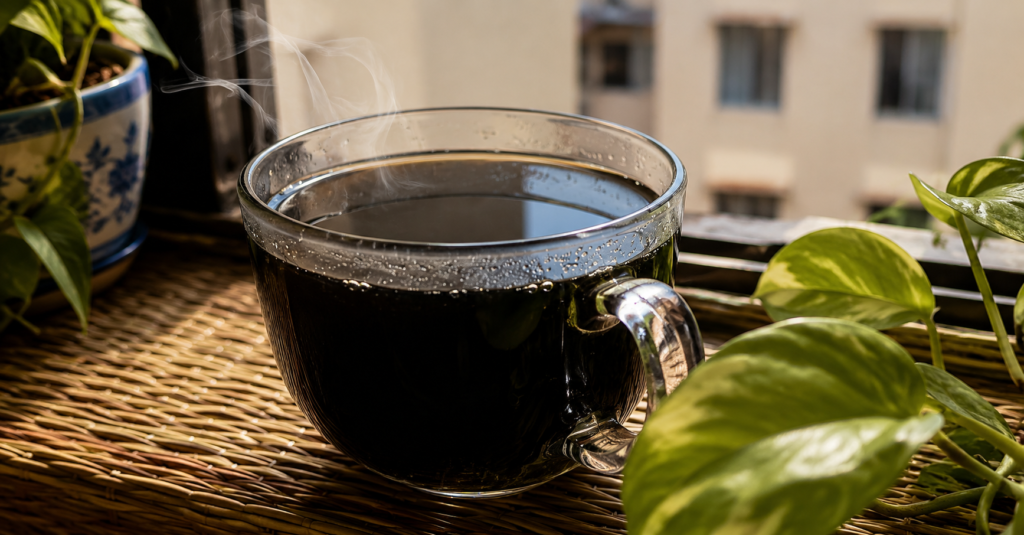
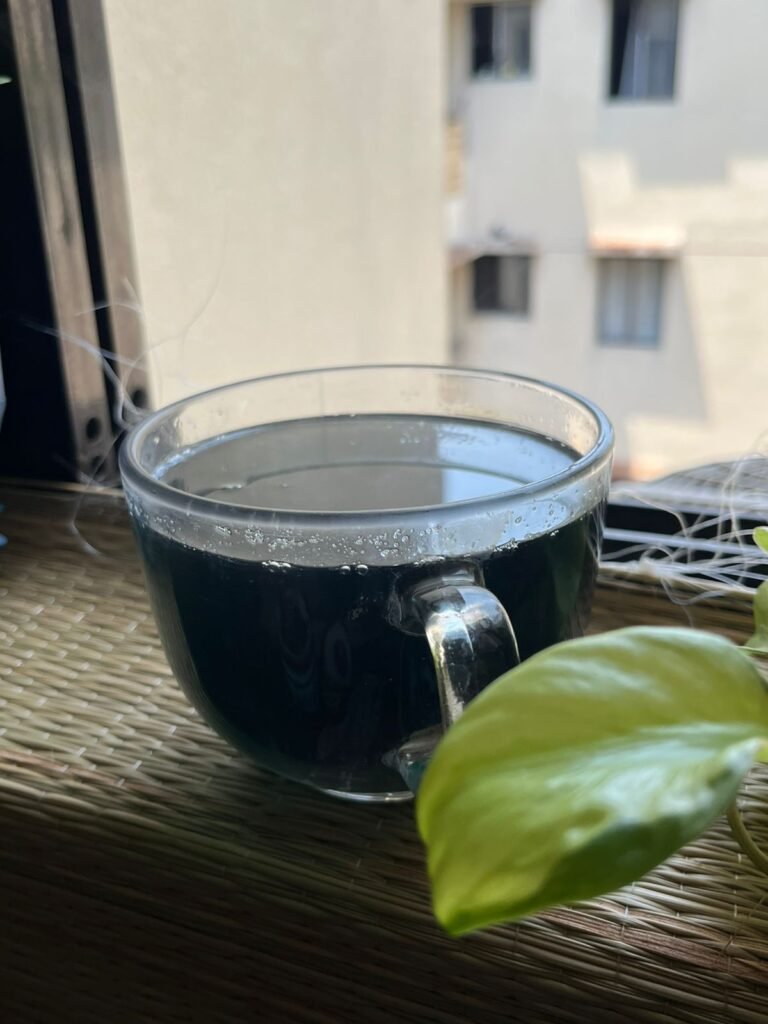
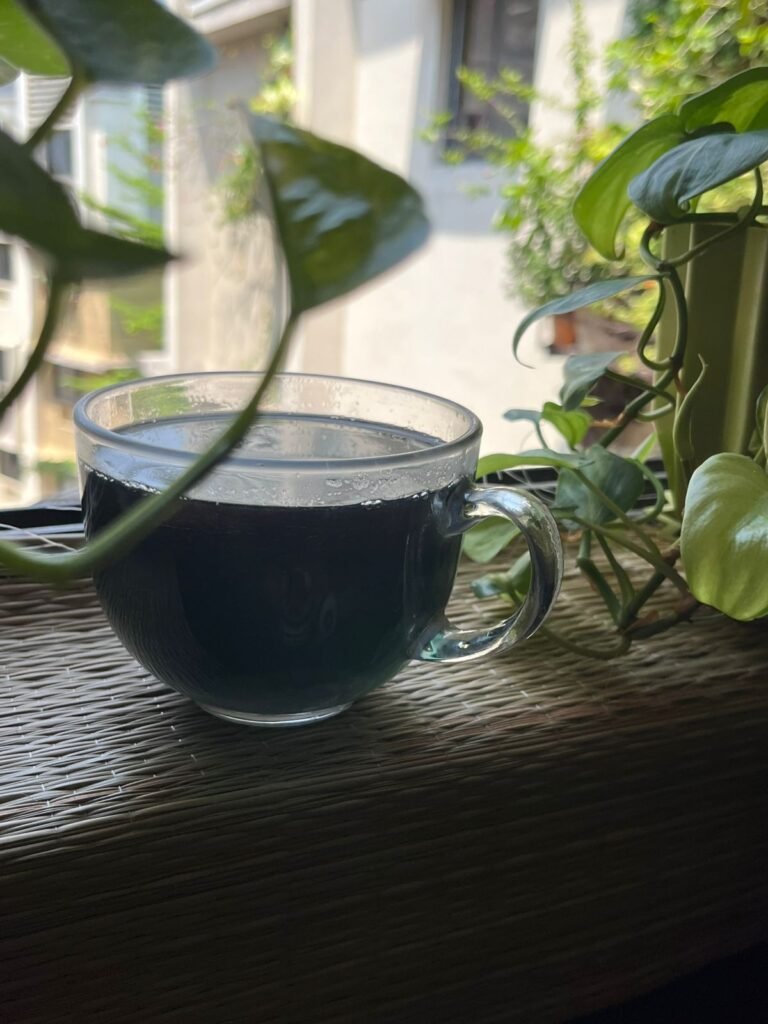
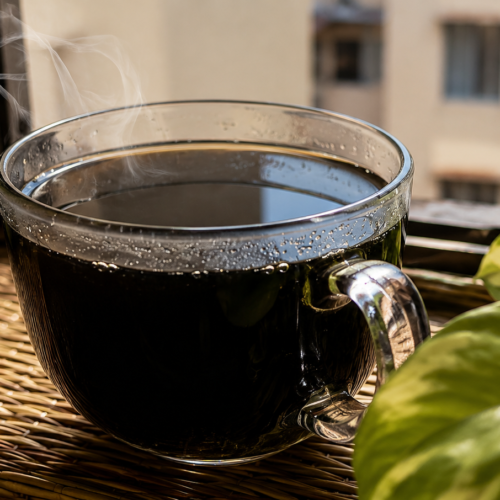
You boil the blue pea flowers with cinnamon and ginger, strain the liquid, and it comes out a deep, clear indigo blue — the kind of blue that does not look like it belongs in a kitchen. Then you squeeze lemon in. And in about three seconds, right in front of you, it shifts. Blue to violet. Violet to purple. The anthocyanins in the petals react to the acid from the lemon and the colour changes completely.
It is the most visually interesting thing you can make in five minutes with ingredients that cost almost nothing.
But the blue pea tea for weight loss is not just aesthetic. Butterfly pea flowers (aparajita — Clitoria ternatea) are one of the richest natural sources of anthocyanins — the same family of antioxidants found in blueberries and black grapes, but in higher concentration. Anthocyanins reduce oxidative stress, lower inflammatory markers, and have been studied for their role in supporting fat metabolism and blood sugar regulation. Ginger and cinnamon reinforce both effects.
Zero caffeine. Zero sugar. Zero calories worth tracking. The colour shift when the lemon hits is just a bonus.
Table of Contents
What Makes Blue Pea Tea Good for Weight Loss?
The weight loss connection comes from the anthocyanins in the butterfly pea flowers — and it is more direct than most herbal tea claims.
Anthocyanins inhibit an enzyme called alpha-glucosidase, which breaks down complex carbohydrates into simple sugars in the small intestine. When this enzyme is inhibited, carbohydrate digestion slows and glucose enters the bloodstream more gradually. The result is a flatter blood sugar curve after eating — no spike, no crash, no cortisol surge, no subsequent craving for more food. This mechanism is the same one that some diabetes medications work on, though butterfly pea flower works more gently and as a food rather than a drug.
The cinnamon in this blue pea tea for weight loss reinforces exactly this effect — dalchini or cinnamon improves insulin sensitivity through a different but complementary pathway. Ginger accelerates gastric emptying and has been shown in multiple studies to reduce appetite and support fat oxidation.
Together, the three ingredients address blood sugar regulation, appetite, and fat metabolism — all relevant for weight loss — without any caffeine, stimulants, or refined ingredients.
What Is the Colour Change and Why Does It Happen?
This is chemistry, not food colouring.
Blue pea flowers contain anthocyanins — specifically ternatins, a subclass unique to Clitoria ternatea. These pigment molecules are pH-sensitive. In neutral or alkaline water, they appear deep blue. When acid is introduced — lemon juice, lime juice, any citric acid source — the pH drops and the molecular structure of the anthocyanin changes slightly, shifting the wavelength of light it absorbs and therefore the colour it reflects.
Blue at neutral pH → violet → purple-pink at acidic pH.
The more lemon you add, the more acidic the tea becomes and the further the colour shifts — from blue to purple to a bright magenta-pink with a lot of lemon. The colour you land on is completely controllable by how much lemon you squeeze in.
This colour shift is also how you know the anthocyanins are active and intact — a tea that does not change colour when acid is added either has very few flowers or has been overboiled to the point where the pigments have degraded. A good blue pea tea for weight loss changes colour dramatically within seconds of the lemon hitting the surface.
What Does Each Ingredient Do?
Blue pea flowers (aparajita / butterfly pea flowers)
The source of anthocyanins, the colour, and the primary active compound. Dried flowers are available in most health food stores and online. Use 8 to 10 flowers per cup — enough for a deep blue colour and meaningful anthocyanin concentration. More flowers give a darker colour and more antioxidants; fewer give a paler result.
Ginger (adrak)
Two thin slices, boiled with the flowers. Ginger accelerates gastric emptying, reduces nausea, and has direct anti-inflammatory action through gingerols and shogaols. In a weight loss context, ginger also has mild thermogenic properties — it slightly raises body temperature and metabolic rate after consumption. For IBS, it is the most gut-calming ingredient in this blue pea tea for weight loss.
Cinnamon (dalchini)
One small stick, boiled with the flowers and ginger. Cinnamon’s blood sugar-regulating effect through improved insulin sensitivity complements the alpha-glucosidase inhibition of the anthocyanins directly. The two together give a more complete glucose management effect than either alone. Dalchini also adds a warm, slightly sweet note to the tea that balances the earthiness of the blue pea flowers.
Lemon (nimbu)
Squeezed in fresh after straining, never boiled. Boiling lemon destroys the vitamin C and changes the flavour from bright to bitter. The lemon serves three purposes here: it triggers the colour change, adds brightness to the flavour, and contributes citric acid that further supports digestion and alkalises the body once metabolised.
How Do You Make Blue Pea Tea for Weight Loss?
Simple and fast once you have the flowers.
Add 8 to 10 dried blue pea flowers, 2 thin slices of fresh adrak, and one small dalchini stick to a small pot with 300ml of cold water. Bring to a boil on medium heat. Reduce to a simmer for 3 to 4 minutes — the water will turn a deep, clear indigo blue. Do not boil aggressively for more than 5 minutes total — prolonged boiling degrades the anthocyanin pigments and reduces both the colour intensity and the nutritional value.
Strain into a cup. The liquid should be a clear, deep blue — no cloudiness.
Squeeze half a nimbu directly into the cup. Watch it change colour. Drink immediately while hot, or let it cool for an iced version.
No sugar needed — the cinnamon adds natural warmth and sweetness. If you want it sweeter, half a teaspoon of raw honey after the tea cools below 40°C is the right addition. Never add honey to boiling liquid — heat destroys the active enzymes and probiotic properties.
For an iced version: brew the same way, let cool completely, pour over ice. The colour is even more vivid cold against clear ice. Add a slice of lemon to the glass rather than squeezing it in and the colour change happens gradually as the lemon sits in the drink — a slow shift that looks even better than the instant version.
Is Blue Pea Tea Safe for IBS?
Yes — butterfly pea flowers have no known gut irritants and are well tolerated by most people, including those with IBS.
There is no caffeine, which means none of the aggressive gut motility stimulation that coffee causes. There is no tannin from tea leaves, which can irritate a sensitive gut lining. There are no FODMAPs in the flowers. The ginger and cinnamon are both gut-calming rather than gut-irritating at these quantities.
The only thing to be aware of: blue pea flowers have mild laxative properties in very large quantities — specifically, consuming many cups a day rather than one. One to two cups daily is the right amount. More than that can increase gut motility beyond what is comfortable for an IBS stomach, particularly IBS-D.
For an IBS-sensitive stomach, this is one of the gentlest herbal teas available. The anti-inflammatory anthocyanins actively support gut lining health over time — the same mechanism that makes blueberries good for gut health, just in a drink form.
It sits well in a morning drink rotation alongside the anti inflammatory drink and the ayurvedic tea for gut health — different days, rotating benefits, no overlap in ingredients. Indian Drinks To Burn Belly Fat While Sleeping
Where Do You Buy Blue Pea Flowers in India ?
Dried butterfly pea flowers (aparajita ke phool) are available from several places:
Online – Amazon India, Flipkart, and specialty herbal stores stock them readily. Search ” butterfly pea flower tea” or “aparajita flower dried.” Blue Tea is an Indian brand that sources them well — they are available on their site and on Amazon.
Local — Ayurvedic stores and health food shops in most cities carry them. In Kolkata, look in New Market herb stalls or any shop selling dried flowers and herbs. The plant itself — aparajita — grows commonly in Indian gardens and the fresh flowers can be used directly in the same quantities as dried.
Fresh from the plant — aparajita is a fast-growing creeper that is easy to grow in a pot on a balcony. Flowers bloom almost daily and can be used fresh or dried in the sun for a few days. This is the most sustainable source if you drink this tea regularly.
Blue Pea Tea for Weight Loss – Ginger, Cinnamon & Lemon

Equipment
- 1 Tea Pot
- 1 cup
- 1 strainer
Ingredients
- 8 dried blue pea flowers aparajita ke phool / butterfly pea flowers
- 2 thin slices fresh ginger ginger
- 1 small cinnamon cinnamon stick
- 300 ml cold water
- Juice of ½ Lemon lemon — squeezed in after straining, never boiled
Instructions
- Boil — Add blue pea flowers, ginger slices, and cinnamon stick to a small pot with 300ml cold water. Bring to a boil on medium heat.
- Simmer — Reduce to a gentle simmer for 3–4 minutes. The water will turn deep indigo blue. Do not boil aggressively for more than 5 minutes total.
- Strain — Pour through a strainer into a cup. The liquid should be clear and deep blue.
- Add lemon — Squeeze half a nimbu or lemon directly into the cup. Watch the colour shift from blue to purple-violet. Drink immediately.
Video
Notes
Frequently Asked Questions
Does blue pea tea for weight loss actually work?
The mechanism is real — butterfly pea flower anthocyanins inhibit alpha-glucosidase, slowing carbohydrate breakdown and flattening the blood sugar curve after eating. This reduces insulin spikes, cortisol surges, and subsequent cravings. Cinnamon reinforces this through improved insulin sensitivity. This tea supports weight loss, but it does not replace a protein-adequate diet or consistent movement.
Why does blue pea tea change colour when you add lemon?
Anthocyanins in butterfly pea flowers are pH-sensitive. In neutral water they appear deep blue. Lemon juice lowers the pH, shifting the molecular structure of the anthocyanin and the wavelength of light it reflects — from blue to violet to purple-pink depending on how much lemon is added. A vibrant colour change means the anthocyanins are intact and active.
Can you drink blue pea tea every day?
One to two cups daily. Anthocyanins accumulate their anti-inflammatory and blood sugar effects over weeks of consistent use. More than two cups daily can increase gut motility uncomfortably for IBS-sensitive stomachs — the flowers have mild laxative properties in large quantities. One morning cup as part of a rotating drink routine is the sustainable approach.
Where do you buy blue pea flowers in India?
Amazon India, Flipkart, or Blue Tea’s website — search butterfly pea flower or aparajita flower dried. In Kolkata, Ayurvedic herb shops and New Market herb stalls carry them. The aparajita plant grows easily in Indian gardens and on balconies — fresh flowers can be used directly in the same quantities as dried. Growing your own is the most cost-effective option for regular use.
Can you make this tea cold instead of hot?
Yes — brew hot, cool completely, pour over ice, add a lemon slice to the glass. The colour shifts gradually from blue to purple as the acid from the lemon slowly releases, which is more dramatic visually than the instant hot version. All anthocyanin benefits are preserved. Serve in a clear glass to show the colour. Works well as an afternoon drink in summer.
🌿 Love gut-friendly recipes? Add Caloriematterss as your Google Preferred Source so my low-FODMAP, high-protein recipes show up more often for you. Set Caloriematterss as a preferred source →