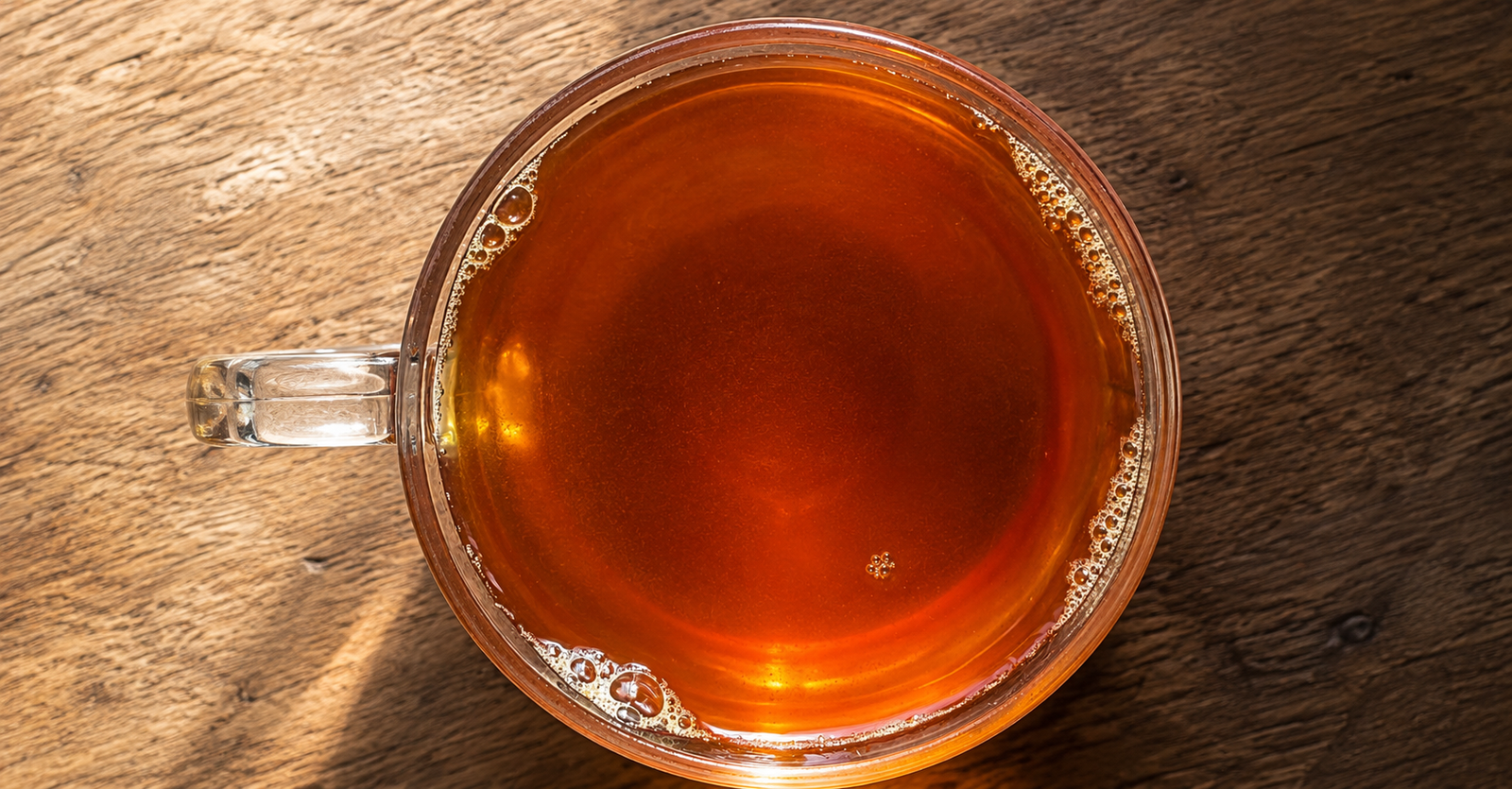
Anti Inflammatory Drink – Ginger, Tulsi, Cardamom Turmeric, Cinnamon & Fennel Tea
📌 Quick Guide
What it is: Hot water steeped with ginger slices, tulsi leaves, a pinch of turmeric, a cinnamon stick, fennel seeds, and a couple of cardamom pods-no tea leaves, no caffeine, no sugar
Why it works: Every ingredient has documented anti-inflammatory or digestive properties-this is not a wellness trend, it is a combination that has been used in Indian kitchens for centuries
IBS-friendly: Yes-fennel and ginger are both well-established gut antispasmodics; turmeric supports gut lining; tulsi reduces cortisol which directly affects gut motility; cardamom reduces gas formation
Best time to drink: First thing in the morning, 20–30 minutes before eating
Calories: ~5 kcal per cup
Anti Inflammatory Drink
This anti inflammatory drink has ginger, tulsi, turmeric, cinnamon ,cardamom and fennel in hot water. No caffeine, no sugar. IBS-friendly, gut-healing, done in 5 minutes.
I did not quit coffee because someone told me to.
I quit it because my IBS made the decision for me. Two cups every morning, the way I had been drinking it for years and every single morning my gut would respond within 20 minutes. Not in a good way. Coffee stimulates the gut aggressively. For someone whose gut was already overreacting to everything , it was like pouring petrol on a fire I was trying to put out.
The problem was I missed the ritual more than the caffeine. Something hot, something with flavor, something to hold while I sit for ten minutes before the day starts. Tea bags were not it-I wanted something that felt like it was doing something, not just being warm.
I started making this anti inflammatory drink the same week I started working with my dietitian. She had mentioned ginger (adrak) and tulsi in the context of gut health. I knew about haldi (turmeric) already. Dalchini (cinnamon) and saunf (fennel seeds) I had always had in the kitchen — every Indian kitchen does. I just started putting them all in one cup.
Five ingredients. Hot water. Ten minutes of steeping. No caffeine, no sugar, no tea leaves. Within the first week I noticed my morning bloating was less. Within the second week I had stopped thinking about coffee.
This anti inflammatory drink is what I have had every morning since. The 220k views on the Instagram Short tell me I am not the only one who needed it.
Table of Contents
Why Should You Try an Anti Inflammatory Drink Instead of Coffee?
This is not about coffee being evil. Coffee has genuine health benefits for many people, antioxidants focus, liver protection. But for a significant portion of people with IBS, coffee is a consistent trigger, and the reason is specific.
Coffee stimulates the production of gastrin, a hormone that increases gut motility. It also relaxes the lower oesophageal sphincter and stimulates the colon directly. For a healthy digestive system, this is mildly inconvenient at worst. For an IBS gut that is already hypersensitive and prone to overreaction, coffee essentially sends an alarm signal to the entire digestive tract before the day has started.
The other issue is cortisol. Coffee consumed first thing in the morning — especially before eating — spikes cortisol, the stress hormone. Cortisol and gut function are directly connected. High cortisol is one of the most consistent triggers for IBS flares, which is why stress and gut symptoms tend to arrive together. Starting your morning with something that spikes cortisol when you have IBS is counterproductive.
This anti inflammatory drink works in the opposite direction. Tulsi (holy basil) is an adaptogen — it reduces cortisol rather than raising it. Ginger calms the gut rather than stimulating it aggressively. Fennel relaxes the intestinal muscles rather than contracting them. The combination does not just replace coffee as a warm morning drink — it actively supports the gut in a way that coffee, for IBS sufferers, cannot.
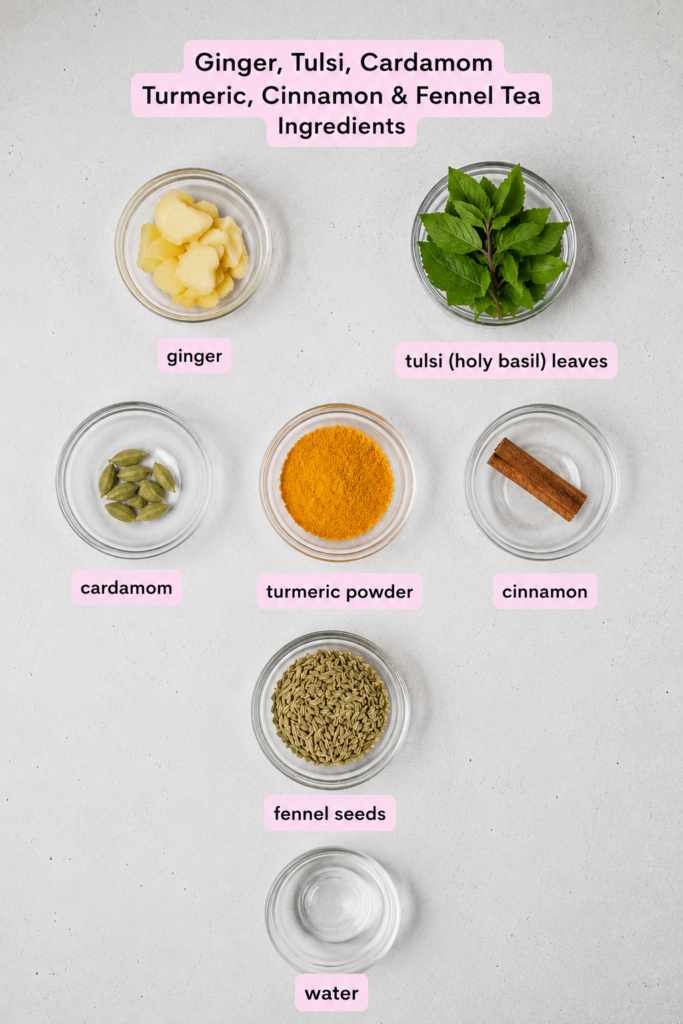
What Does Each Ingredient in This Anti Inflammatory Drink Actually Do?
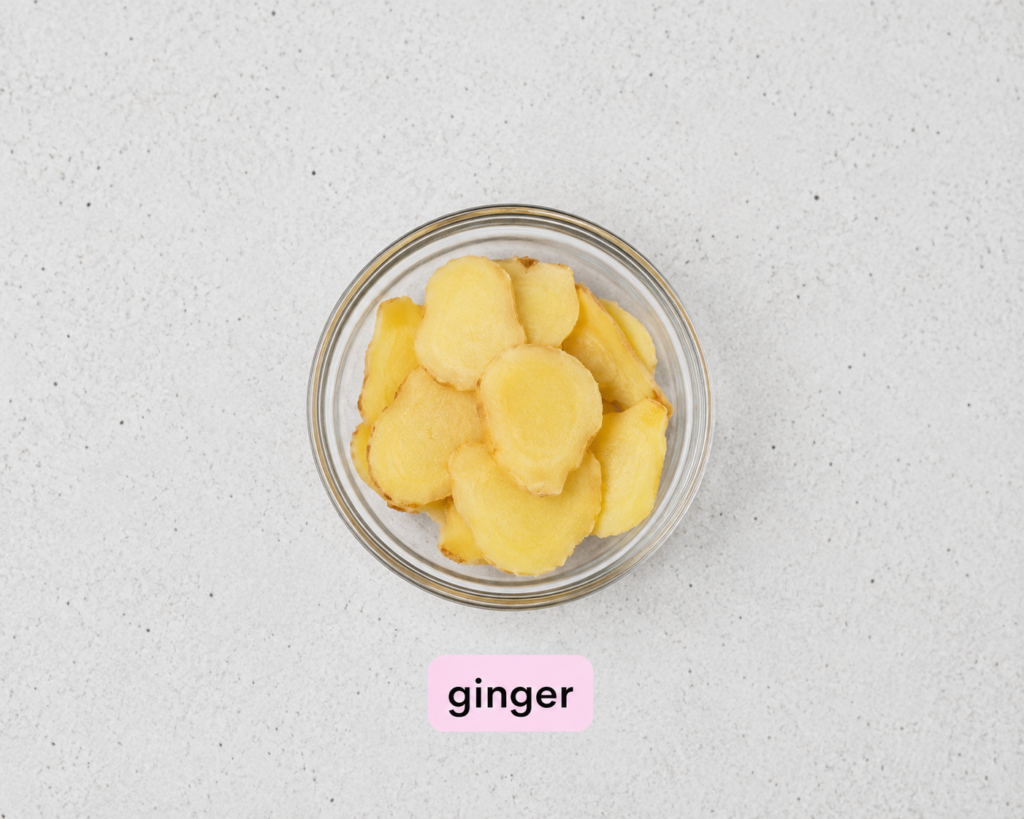
Does Ginger (Adrak) Really Help with IBS and Inflammation ?
Ginger (adrak) is the ingredient in this recipe with the most research behind it, and the research is consistent. Ginger contains gingerols and shogaols — bioactive compounds that inhibit the production of prostaglandins and leukotrienes, two of the key molecules involved in the inflammatory response. This is the same pathway that ibuprofen works on, though ginger works more gently and without the gut-damaging side effects that NSAIDs carry.
For IBS specifically, ginger is an antispasmodic — it reduces the involuntary muscle contractions in the gut wall that cause cramping. My dietitian mentioned it in our very first conversation about managing IBS through food. It also accelerates gastric emptying, meaning food moves from the stomach into the small intestine faster, which reduces the nausea and bloating that comes from food sitting in the stomach too long.
Fresh ginger slices are better than ginger powder in this recipe because the gingerols — the active anti-inflammatory compounds — are more bioavailable in fresh form. Ginger powder has higher concentrations of shogaols, which form during drying, but for a morning drink where you want the gentler, fresher effect, fresh slices steeped in hot water are the right choice.
Two to three thin slices per cup is enough. More than that tips the flavour into too sharp for a morning drink.
What Does Tulsi (Holy Basil) Do for Gut Health?
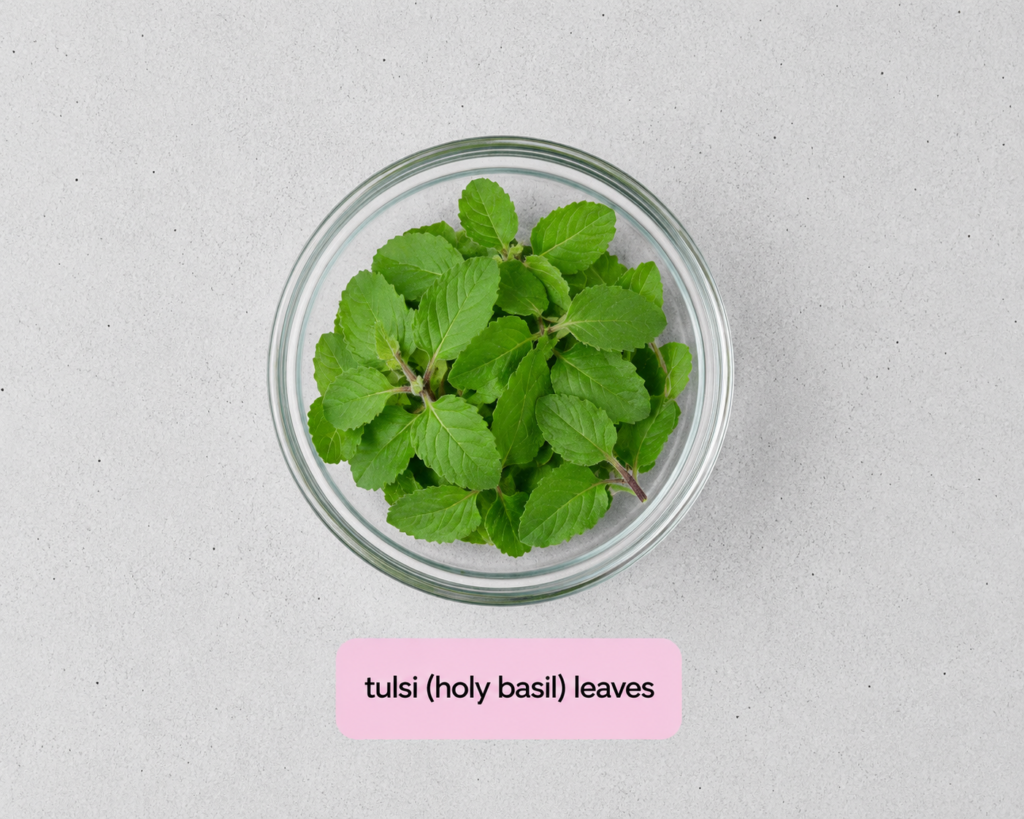
Tulsi (Ocimum tenuiflorum) — holy basil — is one of the most used herbs in Ayurvedic medicine and one of the few traditional remedies that modern research has validated consistently. It is classified as an adaptogen, meaning it helps the body regulate its response to stress rather than simply sedating or stimulating it.
The cortisol connection is the most important one for IBS. Tulsi has been shown in multiple studies to reduce serum cortisol levels when consumed regularly. Since cortisol is one of the primary drivers of IBS flares — the gut-brain axis means emotional and physical stress directly affects gut function — reducing morning cortisol through tulsi is a genuinely useful mechanism rather than a vague wellness claim.
Tulsi also has direct antimicrobial properties, inhibiting the growth of certain pathogenic bacteria in the gut while leaving beneficial bacteria undisturbed. For people managing IBS who are also trying to support a healthy gut microbiome, this matters.
Six to eight fresh tulsi leaves per cup. Dried tulsi works if fresh is not available, but the volatile oils that carry the adaptogenic compounds degrade during drying. Fresh is significantly better for this anti inflammatory drink.
Does Turmeric (Haldi) Actually Reduce Inflammation?
Yes — with one important caveat that most people miss.
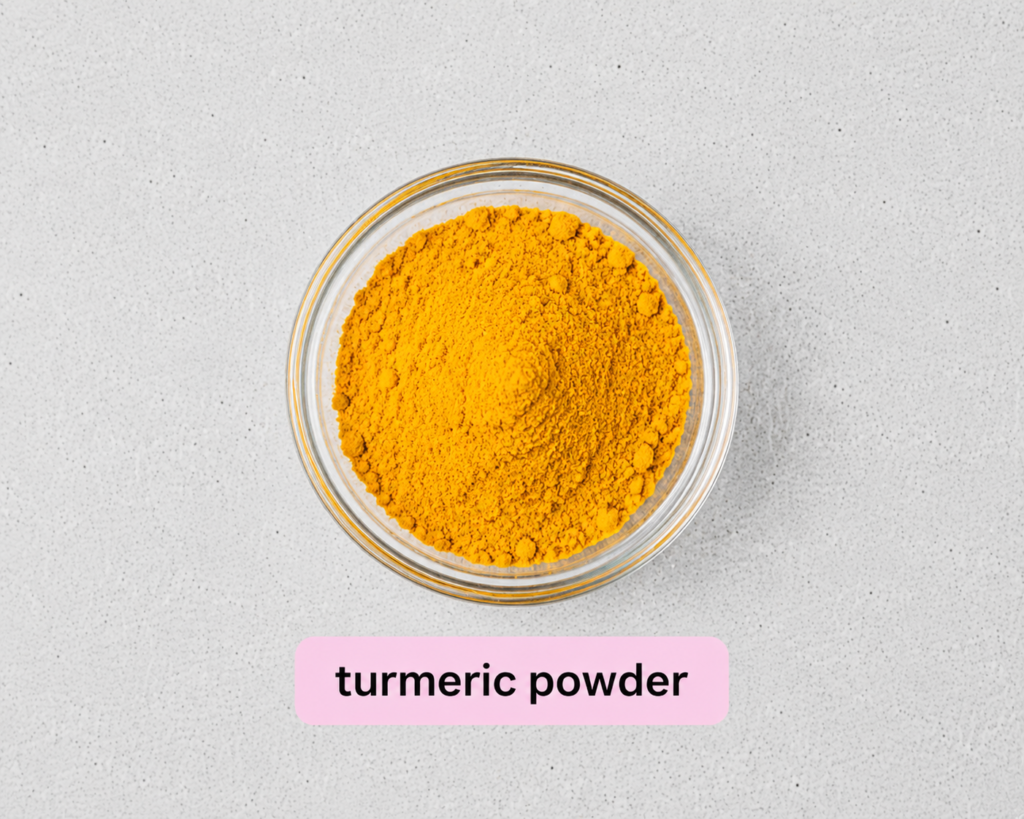
Curcumin, the active compound in haldi (turmeric), has some of the strongest anti-inflammatory evidence of any food compound studied in clinical research. It inhibits NF-κB, a molecule that activates genes involved in inflammation, and reduces markers of inflammation including CRP (C-reactive protein) and IL-6. Multiple clinical trials have found it effective for conditions including arthritis, inflammatory bowel disease, and metabolic syndrome.
The caveat: curcumin has very poor bioavailability on its own. The body absorbs very little of it from food unless it is paired with piperine (found in black pepper), which increases curcumin absorption by up to 2,000%. This is why traditional Indian cooking almost always uses turmeric with black pepper — the combination is not accidental, it is functional.
For this anti inflammatory drink, add a small pinch of kali mirch (black pepper) alongside the haldi. It does not change the flavour of the drink noticeably but it changes the anti-inflammatory impact significantly. I add it every time. My dietitian confirmed this was worth doing when I asked her about it directly.
A pinch of turmeric — no more than a quarter teaspoon — is enough for one cup. Too much haldi makes the drink taste medicinal and slightly bitter in a way that is hard to drink every day.
Why Does Cinnamon (Dalchini) Belong in a Morning Drink?
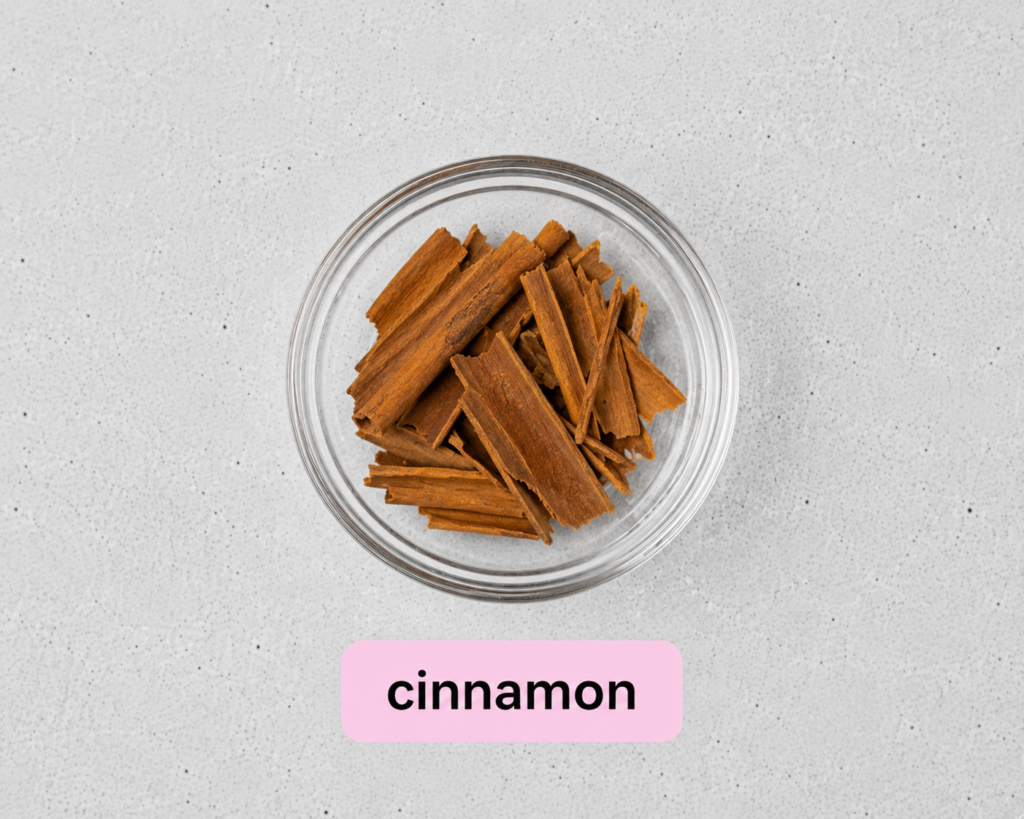
Dalchini (cinnamon) does two things that are particularly relevant for morning drinking on an IBS-sensitive gut.
First, it regulates blood sugar. Cinnamon improves insulin sensitivity and slows the absorption of glucose into the bloodstream after eating. Drinking it first thing in the morning — before food — primes the body’s blood sugar response for the meal that follows. Stable blood sugar means stable energy, which means no mid-morning cortisol spike from a blood sugar crash. For IBS, stable blood sugar also means less physiological stress on the gut.
Second, cinnamon has antimicrobial and antifungal properties. The cinnamaldehyde compound in cinnamon inhibits the growth of certain pathogenic gut bacteria without disrupting the beneficial microbiome. Over time, this supports a healthier gut flora balance — relevant for IBS, where gut dysbiosis (imbalance of beneficial vs harmful bacteria) is increasingly recognized as a contributing factor.
Ceylon cinnamon (true cinnamon, lighter in colour and more delicate in flavour) is preferable to Cassia cinnamon (the common darker variety) for daily use because it contains lower levels of coumarin, a compound that can cause liver stress in very high quantities. One small stick per cup is safe and beneficial regardless of which variety you use.
Does Fennel (Saunf) Help with Bloating and IBS?
Saunf (fennel seeds) is the ingredient in this anti inflammatory drink that most people with IBS notice the fastest effect from, and the reason is well established.
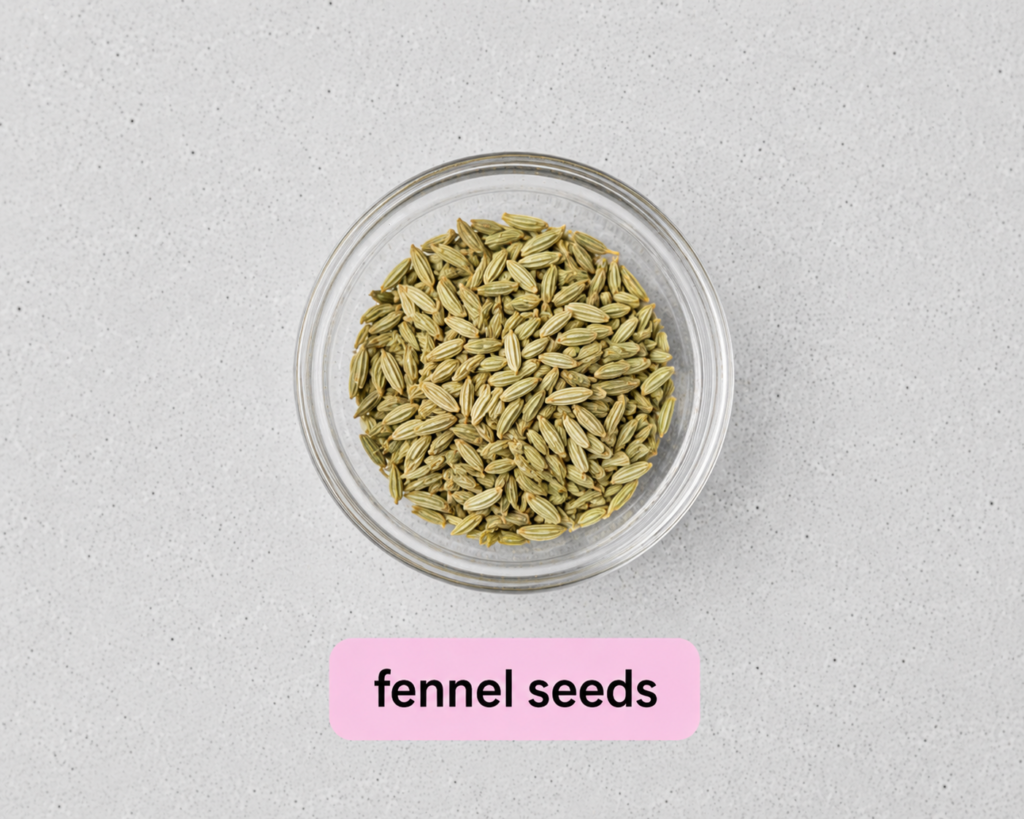
Fennel contains anethole, fenchone, and estragole — volatile compounds that have direct antispasmodic action on the smooth muscle of the intestinal wall. When the gut muscles are in spasm — which is exactly what causes the cramping and pain in IBS — fennel compounds cause them to relax. This is why fennel seeds have been used as a digestive aid in Indian households for centuries and why they appear in so many post-meal rituals across South Asian culture.
Fennel also reduces gas production by inhibiting the fermentation of certain carbohydrates in the gut. The bloating that IBS causes is often gas-related — the gut produces excess gas through fermentation of undigested food, and fennel reduces both the production and the discomfort of that gas.
Half a teaspoon of saunf per cup is the right amount — enough for the active compounds to steep into the water without the drink becoming overwhelmingly anise-flavoured. Lightly crushing the seeds before adding them to the water releases more of the volatile oils and makes the steep more effective. You can do this with the back of a spoon in the cup itself.
How Do You Make This Anti Inflammatory Drink?
This takes five minutes of preparation and ten minutes of steeping. The preparation is almost entirely just gathering the ingredients.
What you need per cup:
- 2–3 slices fresh adrak (ginger), each about the thickness of a one-rupee coin
- 6–8 fresh tulsi leaves (or 1 tsp dried)
- 1 small dalchini (cinnamon stick), roughly 3–4cm
- ¼ tsp haldi (turmeric powder) or a small slice of fresh turmeric
- 2 pods Cardamom
- ½ tsp saunf (fennel seeds), (lightly crushed is optional)
- Pinch of kali mirch (black pepper) (optional
- 300ml hot water — just off the boil, not boiling (around 90°C)
Method:
Lightly crush the fennel seeds with the back of a spoon — just enough to crack them, not grind them. Place ginger slices, tulsi leaves, cinnamon stick, turmeric, fennel seeds, and black pepper directly into your cup or a small pot. Pour hot water over everything. Cover with a small plate or lid — this traps the volatile oils that would otherwise escape as steam, which is where most of the active compounds are. Steep for 8 to 10 minutes. Strain into your cup if using a pot, or drink directly from the cup around the ingredients.
Do not boil the ingredients in water on the stove for a long time. Prolonged boiling degrades the heat-sensitive compounds in tulsi and ginger. Steeping in just-off-the-boil water for 10 minutes is the right method — hot enough to extract, cool enough to preserve.
Drink on an empty stomach, 20 to 30 minutes before your first meal. This is when the gut is most receptive to the antispasmodic and anti-inflammatory action of these ingredients — before it has to manage digesting food at the same time.
Can You Drink This Anti Inflammatory Drink Every Day?
Yes — and consistency is where the benefits come from. The anti-inflammatory action of these ingredients is cumulative. One cup does something. Thirty cups, drunk every morning for a month, does considerably more. The cortisol-lowering effect of tulsi, the gut-lining support from turmeric, the blood sugar regulation from cinnamon — all of these work better over time and with regular exposure than as a one-off.
The 7-day challenge framing from the YouTube Short is a useful starting point — seven days is long enough to notice a difference in morning bloating and gut reactivity, and short enough that it does not feel like a permanent commitment before you know whether it works for you. Most people who try it for seven days do not go back to coffee, at least not first thing in the morning.
There are a few people for whom daily turmeric in large amounts is not appropriate — those on blood thinners, or with gallbladder issues, should check with their doctor before making high-dose turmeric a daily habit. A pinch in one cup of tea per day is a very small amount and is not a concern for most people, but it is worth knowing.
For more on how specific herbs and seeds support gut health, the post on magnesium for gut health covers the mineral side of the same picture — what your gut needs at a cellular level to function well, and how food provides it. And if you are building a full morning gut-healing drink rotation, the digestive teas for IBS guide covers more options beyond this one.
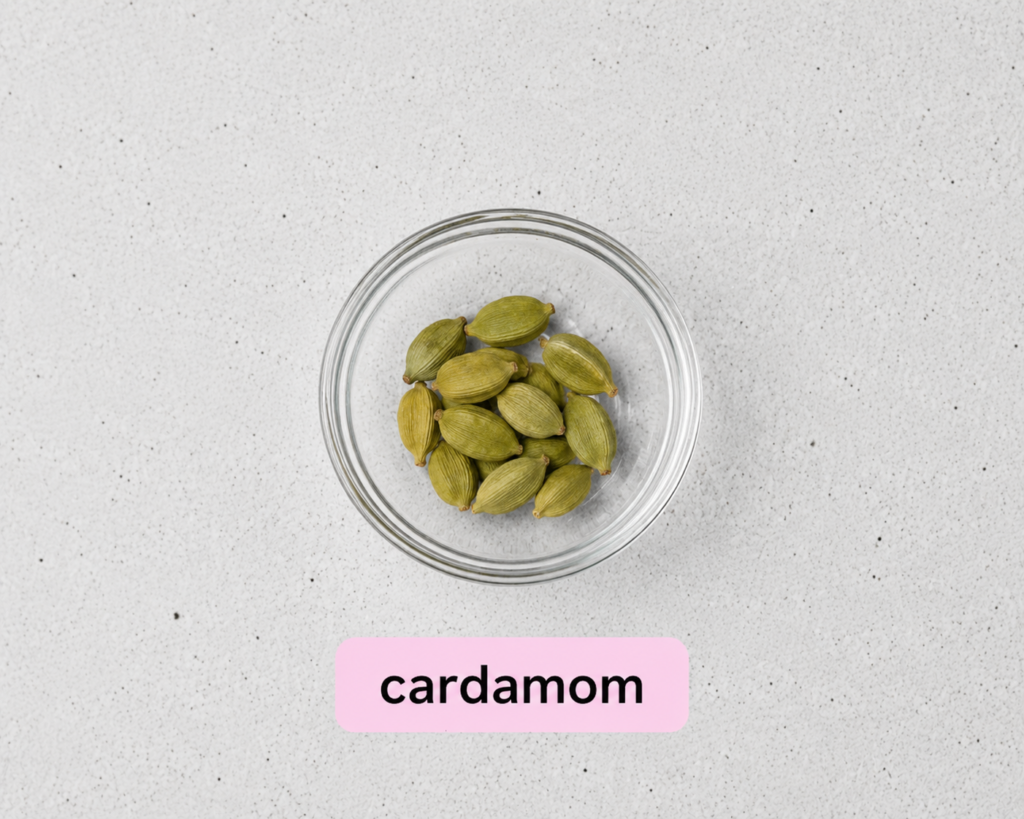
Does Cardamom (Elaichi) Help Digestion and Inflammation?
Elaichi (cardamom) is the ingredient that ties the whole cup together — it adds a warm, slightly sweet aroma that softens the earthiness of the turmeric and the sharpness of the ginger, and it brings its own set of gut benefits alongside the flavour.
Cardamom contains cineole and terpinene — volatile compounds with documented carminative properties, meaning they reduce the formation of gas in the gut during digestion. For IBS, where bloating is so often gas-related, this works in tandem with the fennel: fennel relaxes the gut muscle and reduces fermentation, while cardamom reduces gas formation at the source. The two together cover more of the bloating problem than either does alone.
Cardamom also stimulates the production of digestive enzymes and bile, which helps the body break down the first meal of the day more efficiently — useful when you are drinking this on an empty stomach 20 minutes before breakfast. It has mild anti-inflammatory action too, through the same volatile oils, which adds to the overall anti-inflammatory effect of this anti inflammatory drink rather than just contributing flavour.
Two pods per cup, lightly cracked open to release the seeds and oils. The cracking matters — whole uncracked cardamom releases very little into the water. Press them with the back of a spoon until the green shell splits, then drop the whole thing, seeds and shell, into the cup.
How Is This Different from Regular Chai ?
Regular chai — the kind made with tea leaves, milk, and sugar — contains caffeine (from the tea leaves), lactose (from the milk), and refined sugar. For someone with IBS, that is three potential triggers in one cup.
This anti inflammatory drink contains none of them. No tea leaves means no caffeine. No milk means no lactose. No sugar means no refined carbohydrate spike. What it has instead is five ingredients that actively support the gut rather than challenging it.
The flavour is different too. Regular chai is warming and sweet with a slight tannin bitterness from the tea. This drink is earthy, slightly spicy from the ginger, mildly sweet from the fennel and cinnamon, with a warmth that comes from turmeric rather than caffeine. It takes two or three mornings to adjust if you are coming from strong coffee or chai — your palate expects bitterness and stimulation and gets something quieter instead. By day four or five, most people find they prefer it in the morning specifically because it does not create the crash that follows caffeine.
If you need the recipe for your whole gut-health tea rotation, the herbal tea for weight loss post has more options that sit well alongside this one.
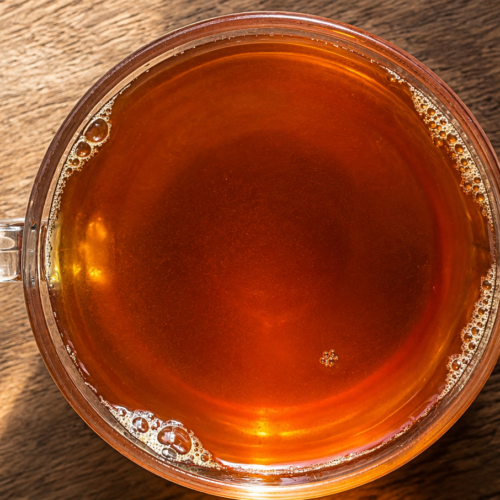
Anti Inflammatory Drink – Ginger, Tulsi or Basil , Turmeric, Cinnamon & Fennel Tea

Equipment
- 1 Tea Pot
- 1 cup
- 1 strainer
Ingredients
- 2 –3 slices fresh adrak ginger, coin-thick
- 6 –8 fresh tulsi holy basil leaves — or 1 tsp dried
- 1 small dalchini cinnamon stick, 3–4cm
- ¼ tsp Turmeric turmeric powder — or a thin slice fresh turmeric
- ½ tsp saunf fennel seeds, lightly crushed
- Pinch of kali mirch (Optional) black pepper
- 300 ml hot water just off the boil (~90°C)
Instructions
- Add everything to the cup — Add ginger slices, tulsi leaves, cinnamon stick, turmeric, directly to the cup with the fennel.
- Crush the fennel — Place saunf in your cup and press with the back of a spoon to lightly crack the seeds. This releases the volatile oils for a more effective steep.
- Pour hot water — Use water just off the boil — around 90°C. Do not use rapidly boiling water; it degrades the heat-sensitive compounds in tulsi and ginger.
- Cover and steep — Place a small plate or saucer over the cup to trap the volatile oils. Steep for 8–10 minutes.
- Drink — Sip slowly around the ingredients, or strain into a second cup first. Drink on an empty stomach, 20–30 minutes before your first meal.
Video
Notes
Frequently Asked Questions
Is this anti inflammatory drink safe to have every day?
Yes — for most people. The quantities are culinary, not medicinal doses. Exception: people on blood thinners or with gallbladder conditions should check with a doctor before making daily turmeric a habit. For everyone else, daily use is where cumulative benefits come from. Bloating and gut reactivity improve within days; inflammation markers and cortisol reduction take 2 to 4 weeks of consistent daily consumption.
Can you add honey or jaggery to this anti inflammatory drink?
Yes — a teaspoon of raw honey added after the drink cools below 40°C adds natural sweetness and its own antimicrobial and prebiotic properties. Jaggery in small amounts works too. Do not add honey to boiling water — heat destroys the active enzymes. Avoid refined sugar, which promotes inflammation and works against the purpose of the drink. Reduce sweetener gradually over the first two weeks until you no longer need it.
Why does the anti inflammatory drink need black pepper with the turmeric?
Without black pepper, the body absorbs almost none of the curcumin from turmeric. Piperine in black pepper inhibits the liver enzyme that rapidly metabolizes curcumin, increasing its bioavailability by up to 2,000%. A pinch adds nothing to the flavour but changes the anti-inflammatory impact entirely. This is not optional if turmeric is going to do its job in this drink.
How long before you notice results from drinking this every morning?
Bloating and gut cramping: 3 to 5 days, because fennel and ginger act quickly on gut motility and gas production. Inflammation reduction and cortisol effects from tulsi and turmeric: 2 to 4 weeks of consistent daily use. The 7-day challenge works well as a starting point because bloating results are fast enough to keep you motivated for the longer-term benefits.
Can you make a batch of this anti inflammatory drink in advance?
You can scale up for 2 to 3 cups at once in a small pot, but do not store overnight. Volatile oils in tulsi and ginger degrade within hours of steeping and the drink loses both flavour and active content by the next morning. Make fresh each day — preparation takes under 5 minutes once the habit is established. Keep ginger slices and tulsi leaves prepped in the fridge. Fennel and cinnamon live permanently in the kitchen.
🌿 Love gut-friendly recipes? Add Caloriematterss as your Google Preferred Source so my low-FODMAP, high-protein recipes show up more often for you. Set Caloriematterss as a preferred source →
This is nice , Thank you for sharing .