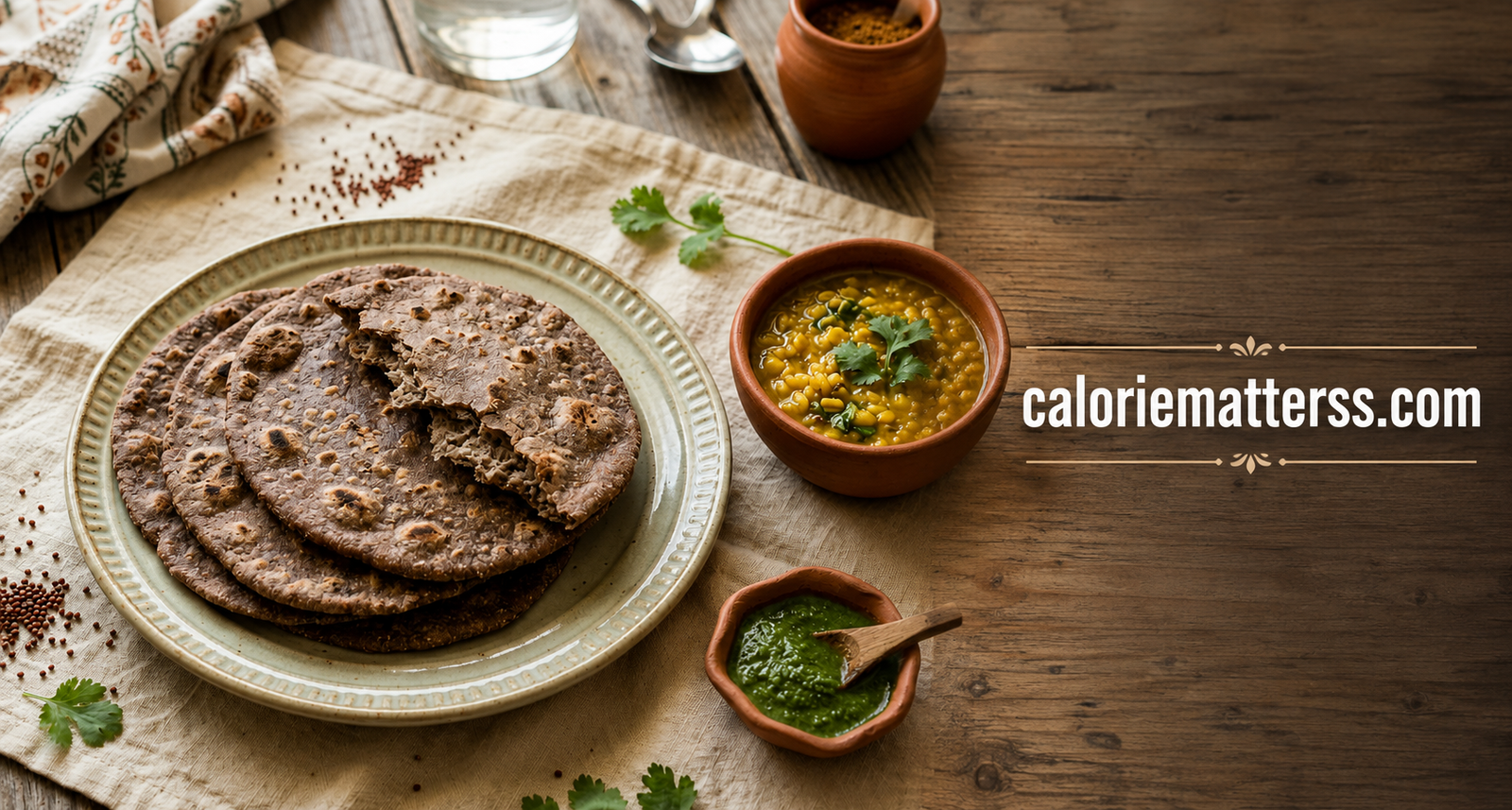
Gluten-Free Ragi Moong Roti: A Soft, High-Fiber Flatbread That Doesn’t Leave Me Bloated
📝 Quick Guide
What it is: A soft, Gluten-Free Ragi Moong Roti (finger millet), moong dal flour and grated lauki, seasoned with ajwain and jeera-a gentle flatbread I eat when regular wheat roti sits heavy.
Why it works: Ragi and moong are gentle, filling and low-FODMAP in normal portions, and the ajwain-jeera helps with the gas I’d otherwise get. It fills me up without the bloated, sluggish feeling wheat roti gives me.
Honest IBS/low-FODMAP note: Ragi, moong, lauki, ajwain and jeera are low-FODMAP in the amounts here. This is a gentle everyday roti, not a weight-loss food-it won’t “burn belly fat” and I won’t pretend it does. It’s just easy on the gut.
Per roti: ~80 kcal | Protein: ~3g
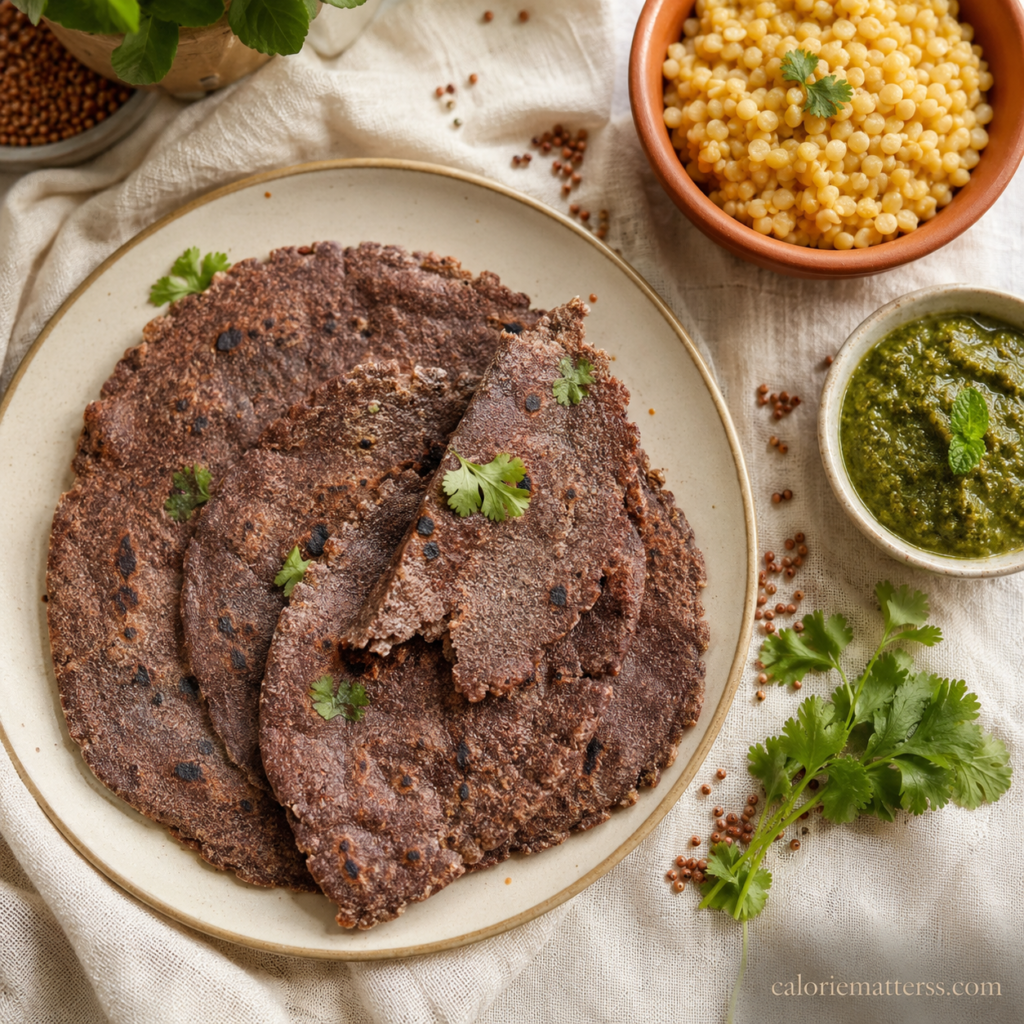
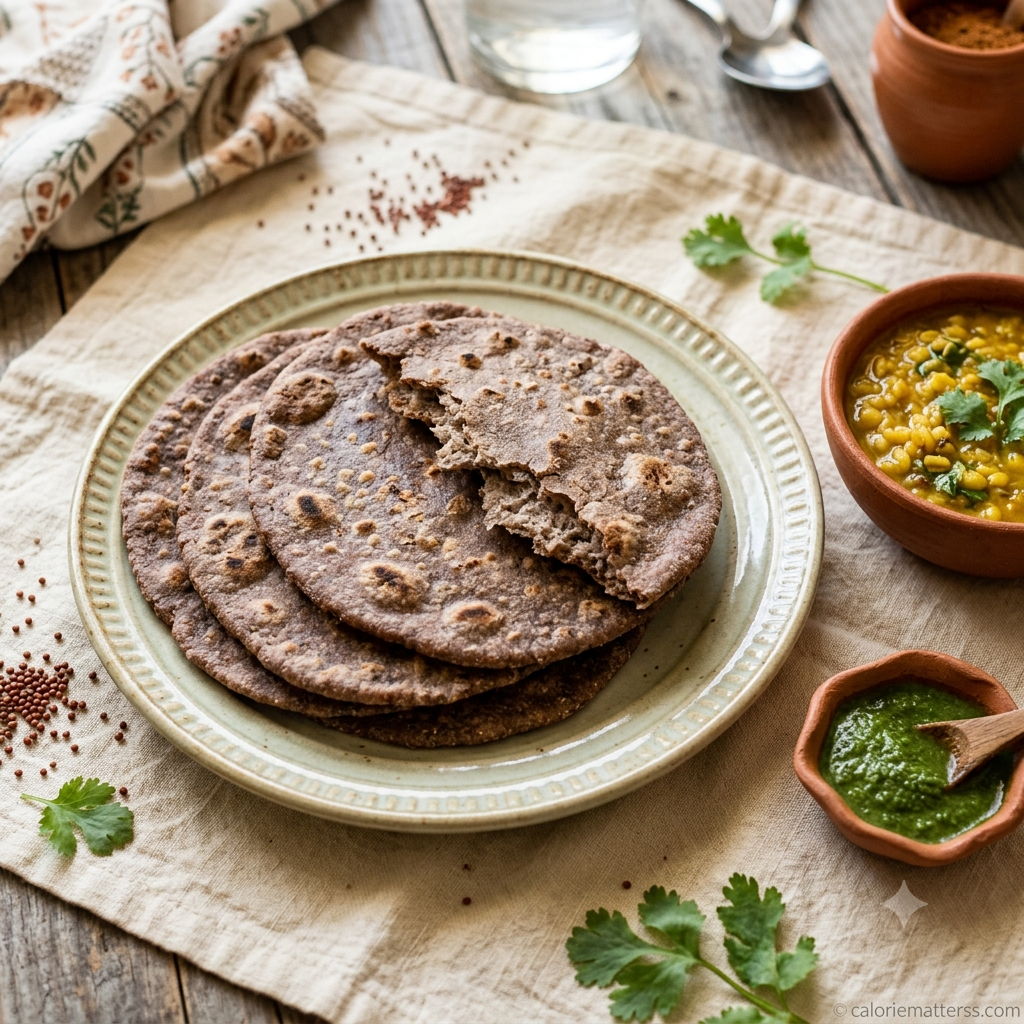
Gluten-free ragi moong roti earned its spot in my kitchen the evening I realized I’d stopped dreading dinner. For a long stretch, a couple of wheat rotis meant the same thing every night-a tight, heavy stomach and a restless couple of hours before sleep. Swapping to this soft finger-millet flatbread quietly ended that. It fills me up, it goes down easily, and it doesn’t sit like a brick.
Let me be straight about what this roti is, because it once wore a very different, dishonest headline. It is not a “flat stomach” trick and it won’t burn belly fat-no single food does that, and I won’t sell you one that pretends to. What it actually is: a gentle, high-fiber, gluten-free roti that keeps me full without the gas and bloating wheat leaves behind. That’s the honest promise, and it’s plenty.
The whole thing rests on three ingredients-ragi (finger millet, nachni), moong dal flour, and grated lauki (bottle gourd)-with ajwain and jeera worked in for flavour and digestion. Lauki is the quiet hero: it keeps the dough moist so the roti stays soft instead of cracking, which is the usual downfall of millet flatbreads.
Table of Contents
Why is a gluten-free ragi moong roti gentler than wheat roti?
It comes down to two things: no gluten, and less density. Heavily kneaded atta, and anything with maida in it, tends to feel heavy and leaves me sluggish. Ragi and moong are naturally gluten-free and lighter to digest, and moong especially is one of the kindest ingredients for a sensitive gut.
I don’t want to oversell it, though. Wheat isn’t a villain for everyone-plenty of people handle roti perfectly well, and if that’s you, there’s no need to change a thing. But if wheat sits heavy on you, or you simply want a lighter, more interesting flatbread in the mix, this one is worth keeping in rotation.
What goes into a gluten-free ragi moong roti?
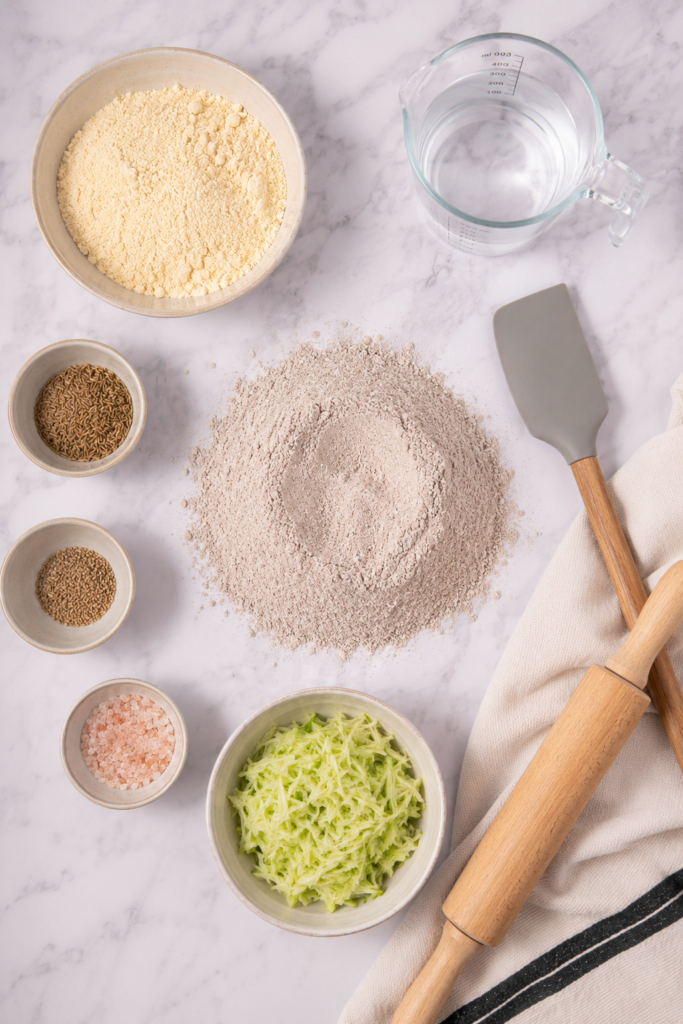
I keep the ingredient list short on purpose. Equal parts ragi flour and moong dal flour, grated lauki for moisture, ajwain (carom seeds) and cumin (jeera) for flavour and to settle the stomach, and a pinch of rock salt (sendha namak). That’s the entire dough-full quantities are in the recipe card below.
An honest correction from how this recipe used to read: I’ve removed the psyllium husk and flaxseed that were once listed. Psyllium is a bulking laxative, not a roti ingredient, and it doesn’t belong in a casual flatbread. If you like a little flax for the omega-3s, add it by choice-but it isn’t part of the basic roti, and you don’t need it.
How do you stop a millet roti from cracking?
This is the question everyone asks, because gluten-free flours have nothing stretchy to hold them together. What reliably works for me: the grated lauki brings moisture and helps everything bind, warm water (never cold) makes a far more pliable dough, a ten-minute rest lets the flours drink in the water, and a dusting of rice flour keeps things from sticking as you roll. Roll a touch thicker than a wheat roti and turn it gently on the tawa. It’ll be softer and more delicate than atta roti-that’s exactly how it should be.
What do you eat with ragi moong roti?
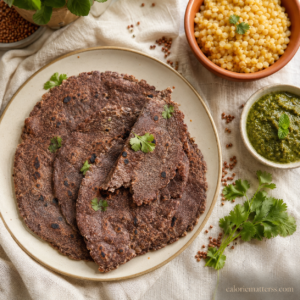
Gentle sides, always. I’ll pair it with a lauki or ridge gourd (turai) sabzi, a small bowl of moong dal, or nothing more than a squeeze of lemon and a little cumin ghee when I want it plain. At breakfast, one with mint chutney does the job.
I deliberately skip the heavy stuff-rich paneer gravies or oily curries undo the whole point of a light meal. Two of these rotis with dal and a simple sabzi is a full, satisfying plate that never leaves me uncomfortable afterward.
Can you eat ragi moong roti at night?
Yes-it’s one of my regular dinner breads. It’s lighter than white rice or maida-based bread and far easier than wheat roti, so it suits an evening meal. I stick to two simple habits: finish eating a couple of hours before lying down, and keep the portion sensible. Even the gentlest roti will misbehave if you eat five of them right before bed.
Setting the record straight on “belly fat”
Because this recipe was once sold as a belly-fat cure, it’s worth saying plainly: no roti flattens your stomach or burns fat. What a filling, high-fiber flatbread genuinely does is keep you satisfied, and being gentle on digestion, it won’t leave you bloated and puffy-which can feel like a flatter middle even though nothing has been “burned.” That’s the real, honest scope of it. Body composition comes down to your overall eating and movement over time, and that’s a conversation for a professional, not a promise a single roti can make.
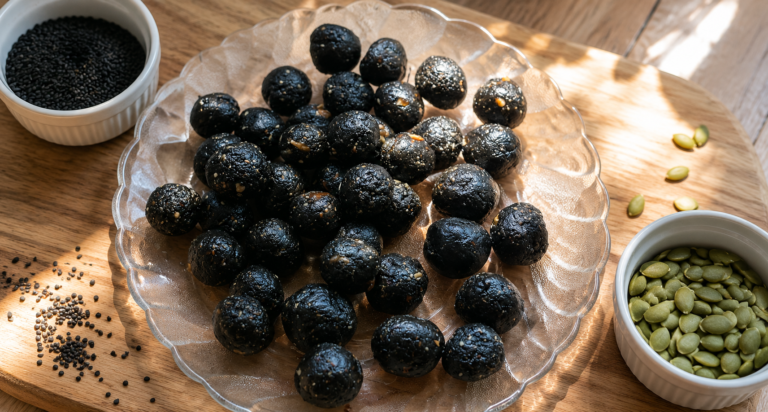
If you want more gentle meals, here’s my onion-free high-protein dal and my IBS night food ideas, both of which go well with these rotis. You can eat with this Low-FODMAP Black Sesame Spread
Gluten-Free Ragi Moong Roti

Equipment
- 1 pan
- 1 Spatula
- 1 Mixing bowl
- 1 Rolling Pin and Surface to make roti or Belan Chakki
Ingredients
- 1/4 cup 30 g ragi flour (finger millet / nachni)
- 1/4 cup 30 g moong dal flour
- 2 tbsp 30 ml grated lauki (bottle gourd), moisture squeezed lightly
- 1/2 tsp 2.5 ml ajwain (carom seeds)
- 1/2 tsp 2.5 ml cumin seeds (jeera)
- 1/4 tsp 1.25 ml rock salt (sendha namak)
- Warm water as needed to knead
- Rice flour for dusting
- 1/4 tsp 1.25 ml ghee per roti, optional, for greasing after cooking
Instructions
- In a bowl, combine the ragi flour, moong dal flour, ajwain, jeera and rock salt.
- Add the grated lauki and mix through — it adds moisture and helps the dough bind.
- Knead with warm water, adding a little at a time, into a soft, pliable dough.
- Rest the dough 10 minutes so the flours hydrate (this makes rolling easier).
- Divide into 3 balls. Dust with rice flour and roll gently, a touch thicker than a wheat roti.
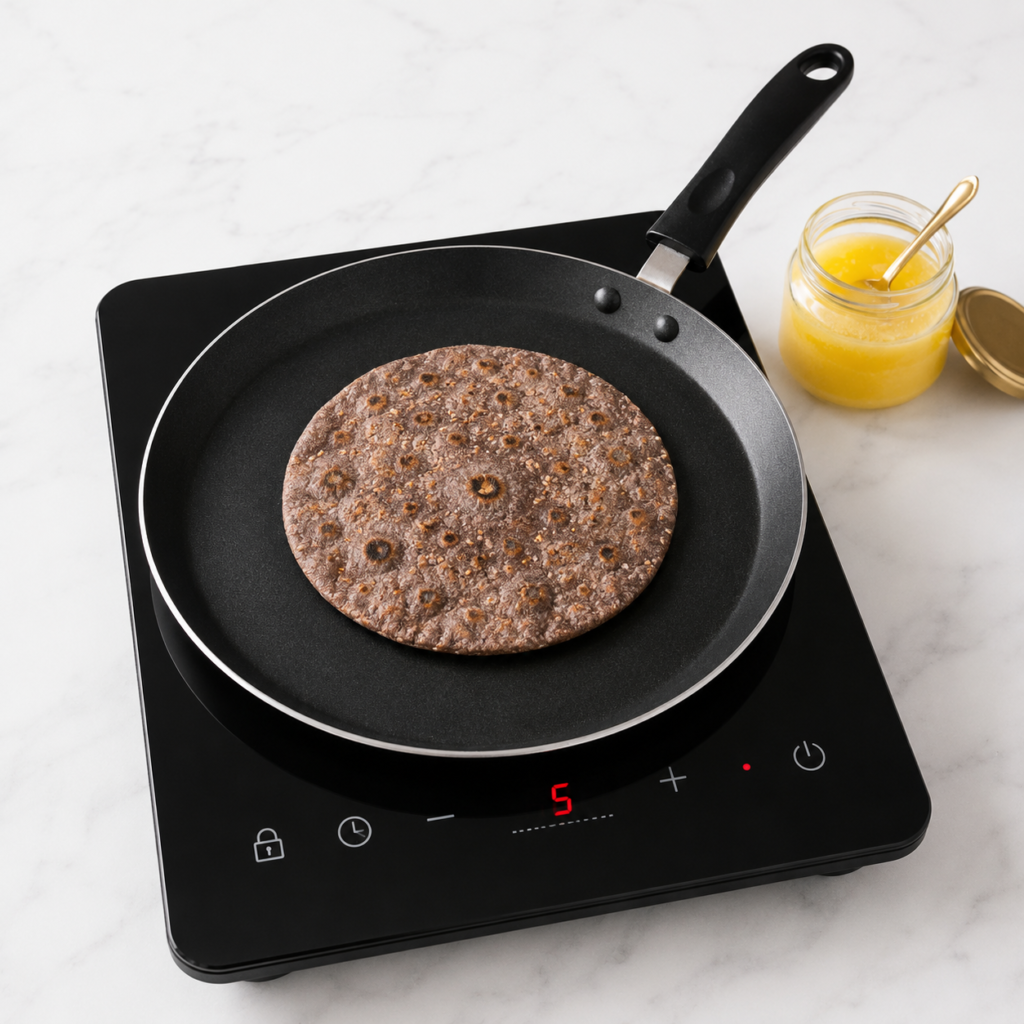
- Cook on a hot tawa 1–2 minutes each side, until light brown spots appear. Flip carefully — these are softer than wheat rotis.
- Optional: brush with a little ghee after cooking. Serve warm with a gentle sabzi or dal.
Notes
Guilt Free Chocolate Cake Recipe Ragi Version
Frequently Asked Questions
What is ragi moong roti?
It is a soft, gluten-free Indian flatbread made from ragi (finger millet) and moong dal flour, with grated lauki for moisture and ajwain and jeera for flavour. It is lighter than wheat roti and gentle on a sensitive gut.
Is ragi moong roti good for IBS?
It can be. Ragi, moong and lauki are low-FODMAP in normal portions and gluten-free, so this roti is easier on the gut than dense wheat roti if wheat is a trigger for you. Everyone’s tolerance differs, so start with one or two.
Does this roti help with belly fat or weight loss?
No, and I would be honest about that. No single roti burns fat or flattens your stomach. A high-fiber, filling roti can keep you satisfied and, being gentle, will not leave you bloated, but weight is about your overall diet and activity, not one food.
How do I stop gluten-free roti from cracking?
Use grated lauki for moisture, knead with warm water, rest the dough for 10 minutes, and dust with rice flour while rolling. Roll them slightly thicker than wheat rotis and flip gently, as they are more delicate.
Can I eat ragi moong roti at night?
Yes. It is lighter than rice or maida-based bread and does not sit as heavy as wheat roti, so it works for dinner. Just keep the portion modest and finish eating a couple of hours before bed.
🌿 Love gut-friendly recipes? Add Caloriematterss as your Google Preferred Source so my low-FODMAP, high-protein recipes show up more often for you. Set Caloriematterss as a preferred source →