Magnesium for Gut Health — Does It Actually Help With IBS?
Key Points
What this is: A guide to magnesium for gut health — what it does, which form works best for IBS, and how to get it from Indian food
Best form for IBS: Magnesium glycinate — gentle on the stomach, reduces gut spasms
Daily target: 310–420mg for adults — most Indian diets are deficient
Best Indian food sources: Pumpkin seeds, moong dal, spinach, banana, dark chocolate
IBS-friendly: Yes — magnesium helps regulate bowel movements, reduce cramping, and calm the gut-brain axis
How Did I Discover Magnesium Was Missing From My IBS Diet?
“Magnesium for gut Health ” I found out this after Six months of my IBS diagnosis in 2023, I was doing everything right on paper — eating well, managing stress, sleeping enough — but I was still getting cramping and constipation flares that made no sense. My dietitian ran a basic nutrient check and the first thing she flagged was magnesium.
I had no idea magnesium was even relevant to digestion. I thought of it as something to do with bones and muscles. But my dietitian explained that magnesium is involved in over 300 cellular processes — including the muscle contractions that move food through your gut. When you are deficient, your digestive system literally slows down.
That was the turning point. This post is everything I have learned about magnesium for gut health since then — what it actually does, which form works for IBS, and how to get more of it through Indian food before reaching for a supplement.
Table of Contents
What Does Magnesium Actually Do for Gut Health?
How Does Magnesium Help With Bowel Movements?
Your digestive tract is lined with smooth muscles that contract and relax in a rhythmic motion called peristalsis. This is how food moves through your system. Magnesium is a natural muscle relaxant — it helps these muscles perform their function without excessive cramping or tension.
When magnesium levels are low, these muscles can become overactive or sluggish depending on your IBS type. For IBS-C (constipation dominant), low magnesium slows movement and hardens stool. For IBS-D (diarrhoea dominant), magnesium helps calm overactive contractions.
Does Magnesium Reduce Gut Inflammation?
Yes. Magnesium has anti-inflammatory properties that help soothe the gut lining. For people with IBS this is significant because the gut lining in IBS is often in a low-grade inflamed state. Magnesium supports the reduction of inflammatory compounds in the intestinal tissue which reduces both the pain and the hypersensitivity that makes IBS so unpredictable.
How Does Magnesium Affect the Gut Microbiome?
Research shows that adequate magnesium levels support a more diverse gut microbiome and healthier microbial metabolism. Magnesium creates an environment where beneficial bacteria can thrive, supports the production of short-chain fatty acids which feed the gut lining, and improves the balance between different bacterial communities. A deficiency shifts this balance in ways that worsen digestive symptoms.
What Is the Connection Between Magnesium and the Gut-Brain Axis?
The gut-brain axis is the communication network between your gut and your brain. IBS is strongly connected to this system — stress triggers gut symptoms, and gut discomfort creates anxiety, which creates more gut symptoms. Magnesium plays a direct role in calming this axis by regulating neurotransmitters and reducing the stress response that aggravates IBS. This is why magnesium is sometimes recommended for anxiety-related IBS alongside gut-specific interventions.
Are Most People With IBS Deficient in Magnesium?
Quite possibly yes — and Indian diets are particularly vulnerable to magnesium deficiency for a specific reason.
Phytic acid, found in whole grains and legumes, binds to magnesium in the gut and prevents absorption. A diet heavy in roti, rice, and unsoaked legumes can actually reduce the magnesium you absorb even if you are eating enough on paper.
The solution is not to avoid these foods — it is to prepare them in ways that reduce phytic acid. Soaking lentils and grains before cooking reduces phytic acid significantly. Fermentation (dosa, idli, kanji) reduces it further. These traditional preparation methods were solving a nutrition problem we did not have language for until recently.
Signs of magnesium deficiency relevant to gut health include: constipation that does not respond to fibre increases, muscle cramps in the abdomen, persistent fatigue, poor sleep, and anxiety that worsens gut symptoms.
Which Indian Foods Are High in Magnesium ?
| Food | Magnesium per serving | IBS-friendly? |
|---|---|---|
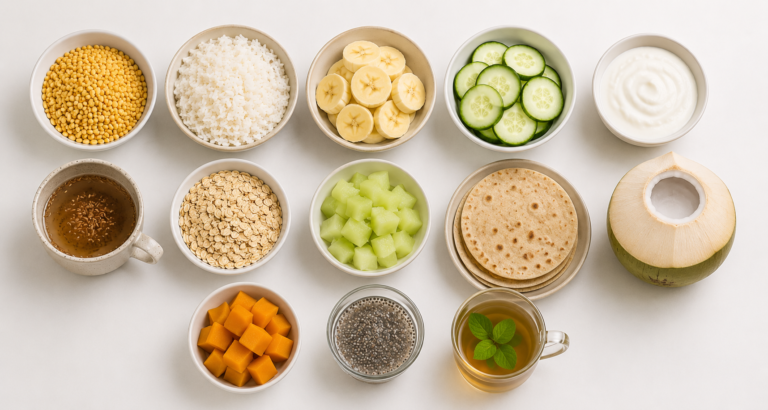
| Pumpkin seeds (30g) | 156mg | Yes — add to khichdi or dal |
| Dark chocolate 70%+ (30g) | 64mg | Yes — in moderation |
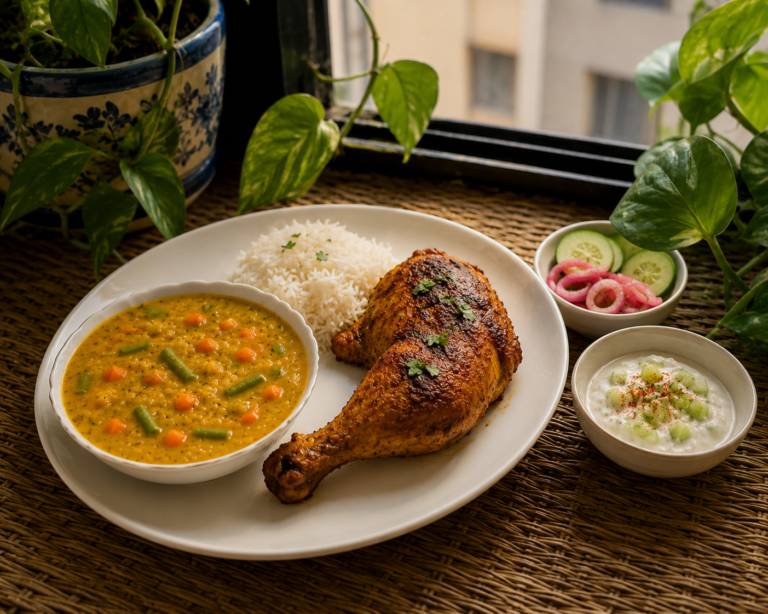
| Moong dal cooked (100g) | 48mg | Yes — daily |
| Spinach cooked (100g) | 87mg | Yes — well tolerated cooked |
| Banana (1 medium) | 32mg | Yes — ripe only |
| Masoor dal cooked (100g) | 36mg | Yes — soaked and cooked |
| Coconut water (240ml) | 60mg | Yes — excellent for IBS |
| Amaranth (rajgira) cooked (100g) | 65mg | Yes — good alternative grain |
best dals for IBS — https://caloriematterss.com/best-dals-for-ibs/ gond katira and chia seed drink — https://caloriematterss.com/gond-katira-and-chia-seed-drink/ buttermilk for gut health — https://caloriematterss.com/buttermilk-for-gut-health/
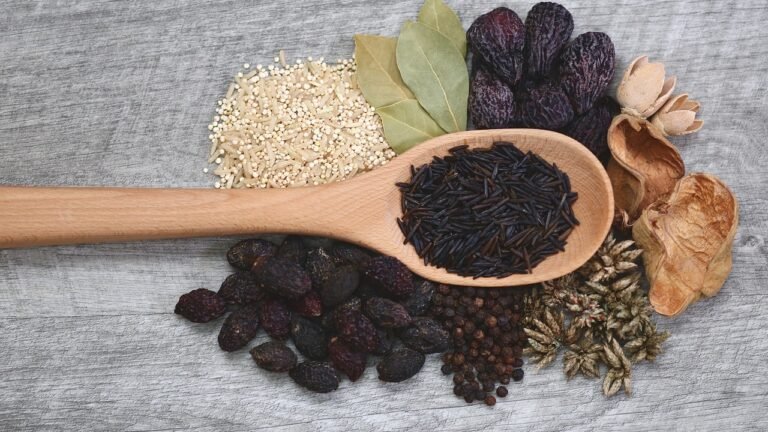
Pumpkin seeds are the easiest win — a small handful sprinkled on khichdi or dal adds significant magnesium without changing the taste or affecting your gut. I add them to my best dals for IBS specifically for this reason.
Which Type of Magnesium Supplement Is Best for IBS?
Not all magnesium supplements work the same way. The form matters significantly for IBS.
Is Magnesium Glycinate Good for IBS?
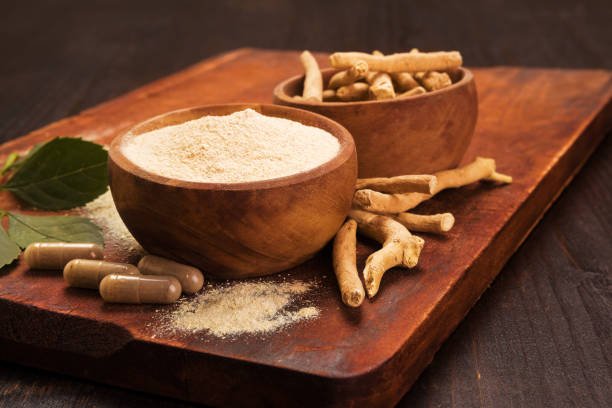
Yes — this is the best form for IBS. Magnesium glycinate combines magnesium with the amino acid glycine which makes it very gentle on the stomach. It does not have a strong laxative effect, absorbs well, and also helps with sleep and anxiety — both of which directly affect gut symptoms. If you are going to take one magnesium supplement for IBS, glycinate is the one.
Is Magnesium Citrate Good for IBS-C?
Yes for IBS-C specifically. Magnesium citrate draws water into the intestines and promotes bowel movement. It is effective for constipation but can cause loose stools in higher doses — which makes it unsuitable for IBS-D. Use only in small doses and build up slowly.
Should You Avoid Magnesium Oxide for IBS?
Generally yes. Magnesium oxide has low bioavailability and a strong laxative effect. It is the cheapest form and the least useful for IBS. Most of it passes through without being absorbed.
What Is the Best Dose of Magnesium for Gut Health?
The recommended daily intake for adults is 310 to 420mg. For IBS specifically start with 200mg of magnesium glycinate and see how your gut responds over 2 weeks before increasing. Taking it at night with food reduces the chance of any digestive discomfort.
Always check with your doctor or dietitian before starting a magnesium supplement, particularly if you have kidney disease or take medication.
Blood Sugar Salad Bowl (High-Fiber, High-Protein Bowl)
How Can You Increase Magnesium Through Indian Cooking?
Three practical changes that make a real difference:
First, add pumpkin seeds to your dal or khichdi every day. One handful takes 30 seconds and adds 150mg of magnesium. You cannot taste them in a spiced dal.
Second, soak your lentils and grains before cooking. Soaking reduces phytic acid which means more magnesium from the food you are already eating gets absorbed. This is free and takes no extra effort once it becomes a habit.
Third, use coconut water as a hydration source instead of plain water occasionally. It contains magnesium, potassium, and electrolytes that support gut function — particularly useful after a flare when you may have lost minerals.
These changes alone can meaningfully increase your magnesium absorption without needing a supplement. I made all three changes after my dietitian’s recommendation and noticed a difference in my IBS-C symptoms within about three weeks.
Frequently Asked Questions
Does Magnesium Help With IBS Symptoms?
Yes. Magnesium supports healthy muscle contractions in the digestive tract, which can improve bowel regularity. It may help soften stools in constipation-predominant IBS while also supporting normal gut function, reducing cramping, and promoting relaxation through the gut-brain connection. Because IBS varies from person to person, speak with your healthcare provider before starting a supplement.
Which Magnesium Is Best for IBS and Gut Health?
Magnesium glycinate is often preferred because it is well absorbed, gentle on the stomach, and less likely to cause a laxative effect than magnesium citrate or oxide. It may also support better sleep and stress management, both of which can influence IBS symptoms. Always follow your healthcare provider’s advice on the right dose for you.
What Are the Best Indian Foods for Magnesium?
Excellent magnesium-rich foods include pumpkin seeds, cooked spinach, moong dal, masoor dal, bananas, coconut water, and dark chocolate. Soaking lentils and whole grains before cooking can also improve magnesium absorption by reducing naturally occurring phytic acid.
Can Low Magnesium Cause Constipation?
Yes. Magnesium plays an important role in the muscle contractions that move food and stool through the digestive tract. Low levels may contribute to slower bowel movements and constipation. Magnesium citrate is sometimes used for short-term constipation relief, while other forms may be more suitable for long-term supplementation under medical guidance.
How Long Does Magnesium Take to Help With Gut Health?
Some people notice improved bowel regularity within one to two weeks of consistent magnesium supplementation, while benefits such as reduced cramping, better sleep, and improved stress response may take four to six weeks. Increasing magnesium through food alone usually takes longer and depends on regular intake.