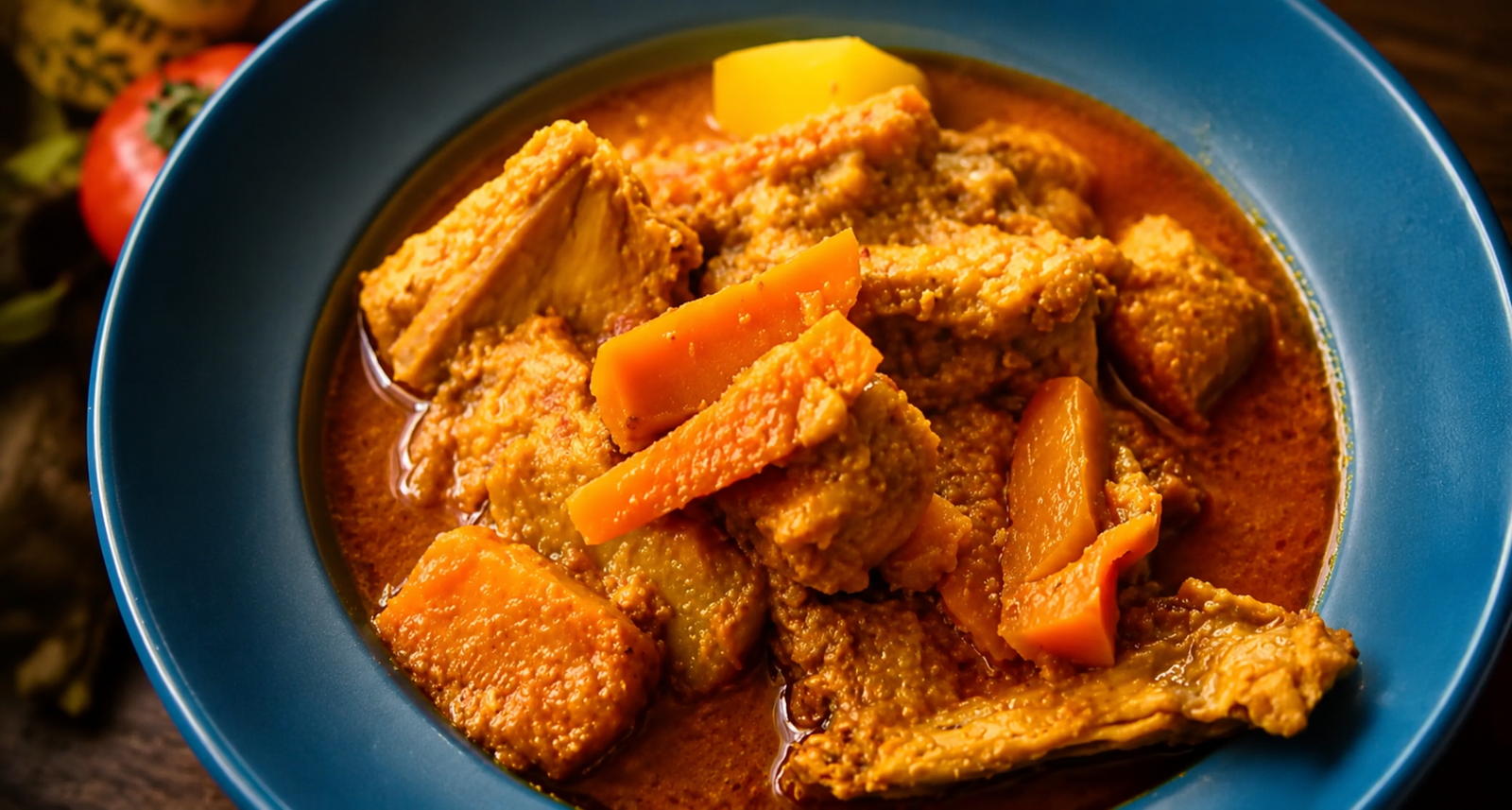
Healthy Chicken Stew Recipe — Is This the Best Gut-Healing Indian Meal for IBS?
Quick Guide
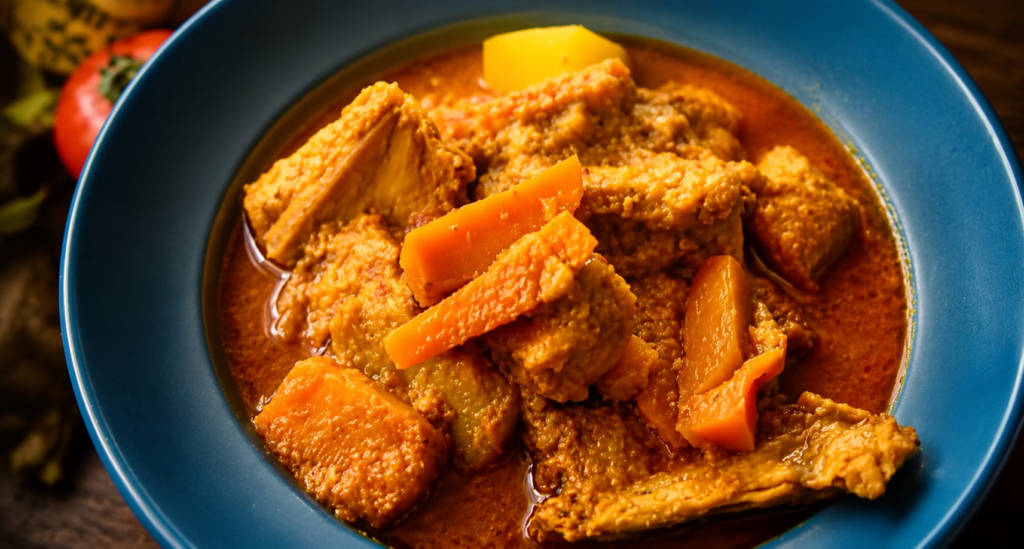
What it is: A one-pot Indian chicken stew with soft vegetables, lean chicken, and warming spices — no cream, no dairy, no gluten
Why it works: Soft-cooked vegetables, lean protein, and anti-inflammatory spices in a light broth that is easy to digest
IBS note: Contains onion and garlic — skip or reduce on flare days, use garlic-infused oil instead
Cook time: 45 minutes | Serves: 4
Best served with: Brown rice, millet, or as a standalone soup
Why This Healthy Chicken Stew Recipe Became My Post-Flare Recovery Meal ?
There is a specific kind of exhaustion that comes after an IBS flare — not just physical tiredness, but the feeling that you cannot face any food at all. Everything feels like a risk. Even safe foods feel threatening.
This healthy chicken stew recipe is what I cook on those days. I developed it about four months after my IBS diagnosis in 2023, during a rough week when I needed something warm, nourishing, and simple enough that I could make it without much energy.
The brief I gave myself was: lean protein, soft vegetables, warming spices, no cream, no heavy masala, no deep frying. Something that would feel like comfort food without the consequences.
This is that recipe. It has become one of my most cooked meals. I make a big pot on Sunday and eat it through the week — as a proper meal with brown rice, or just as a warming soup on its own.
One note on the IBS angle: this recipe uses onion and garlic which are high FODMAP. On stable days I make it as written. On sensitive days or during a flare I skip the onion and garlic completely and use asafoetida (hing) and garlic-infused oil instead. The stew still tastes deeply satisfying — the chicken, vegetables, and whole spices carry it.
Table of Contents
What Makes This Chicken Stew Good for Gut Health?
Why Is a Light Stew Better Than a Heavy Curry for IBS?
Heavy curries with thick masala paste, cream, and large amounts of oil are slow to digest. The fat content slows gastric emptying, the onion and garlic in paste form are more concentrated and therefore higher FODMAP per serving, and the cooking process locks in compounds that can be irritating to a sensitive gut.
A stew is different. The cooking method — slow simmering with water — creates a lighter broth. The vegetables become soft and easy to digest. The chicken becomes tender and simple to break down. The liquid base means everything moves through the digestive system more smoothly.
For IBS specifically, the soft texture of everything in a stew is a significant advantage over dishes where vegetables are still firm or meat is still chewy.
Are the Vegetables in This Stew Good for IBS?
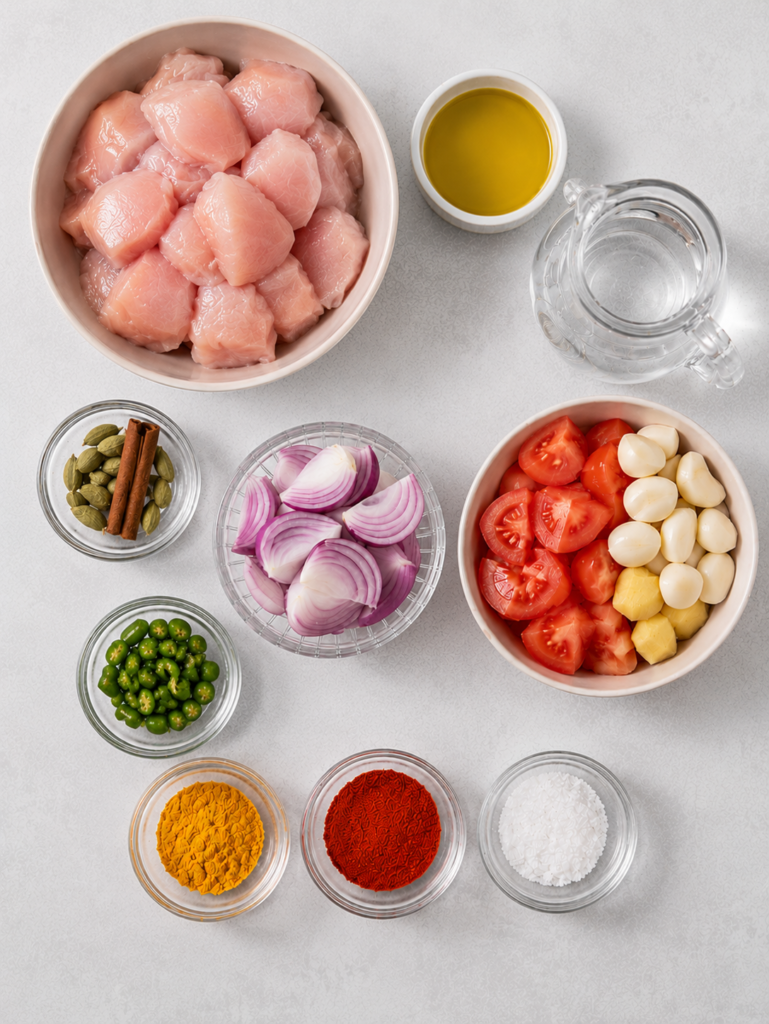
Yes — potatoes, carrots, and green beans are all low to moderate FODMAP in the portions used here. Potatoes are one of the most gut-safe starchy vegetables. Carrots are well tolerated cooked. Green beans in moderate amounts (50g per serving) are low FODMAP.
The key is that all vegetables are cooked until completely soft — not al dente. Firm vegetables are harder to digest for IBS. In a stew cooked for 20 to 25 minutes everything should be soft enough to break apart easily with a spoon.
Is Cardamom and Cinnamon Good for IBS?
Yes. Both are traditional digestive spices that have anti-inflammatory properties and support gut motility. Cardamom reduces gut spasms and has a slightly warming quality that helps with IBS-C. Cinnamon regulates blood sugar which indirectly affects gut function. Using whole spices in a stew allows their beneficial compounds to infuse into the broth without overwhelming the dish with heat.
What Are the Ingredients for This Healthy Chicken Stew?
Protein:
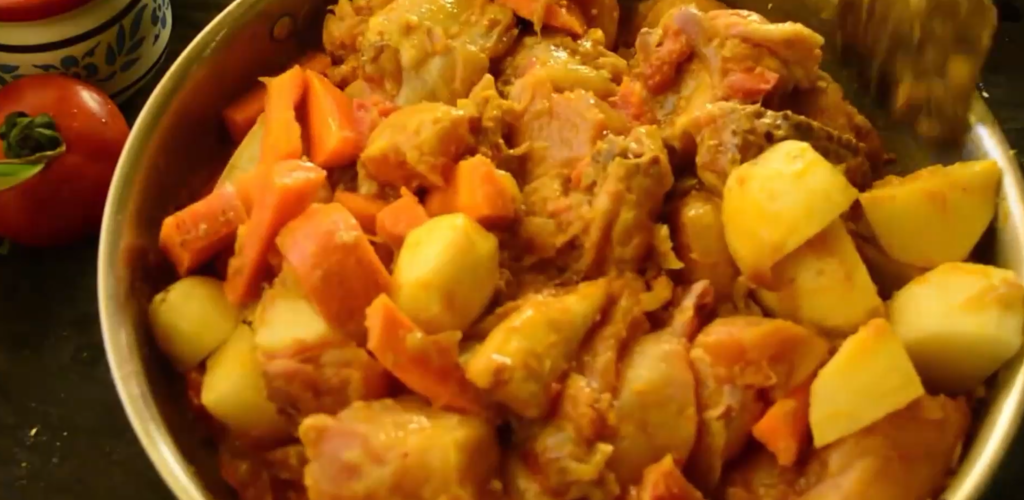
- 1kg chicken, skinless, bone-in preferred
Vegetables:
- 200g potatoes, peeled and chopped
- 300g carrots, peeled and chopped
- 50g green beans, trimmed and cut
- 2 medium tomatoes, roughly chopped
Aromatics:
- 2 large onions, finely chopped (skip on flare days)
- 30g ginger garlic paste (skip garlic on flare days, use hing instead)
Spices:
- 2 tsp turmeric powder
- 2 tsp red chilli powder (reduce to 1 tsp on sensitive days)
- Salt to taste
- 3 to 4 cardamom pods
- 1 small cinnamon stick
Fat:
2 tbsp olive oil
How Do You Make Healthy Chicken Stew Step by Step?
Step 1 — How Do You Marinate the Chicken?
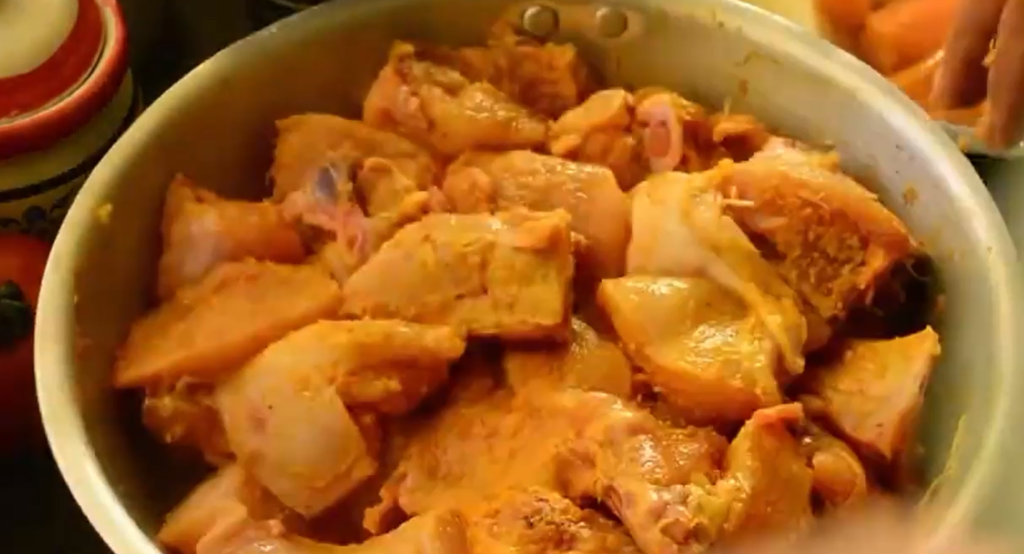
In a bowl combine the chicken pieces with ginger garlic paste, turmeric, red chilli powder, and salt. Mix until every piece is coated. Cover and marinate for at least 1 hour — overnight in the fridge gives deeper flavour. Add 2 crushed cardamom pods to the marinade for extra aroma.
Step 2 — How Do You Build the Stew Base?
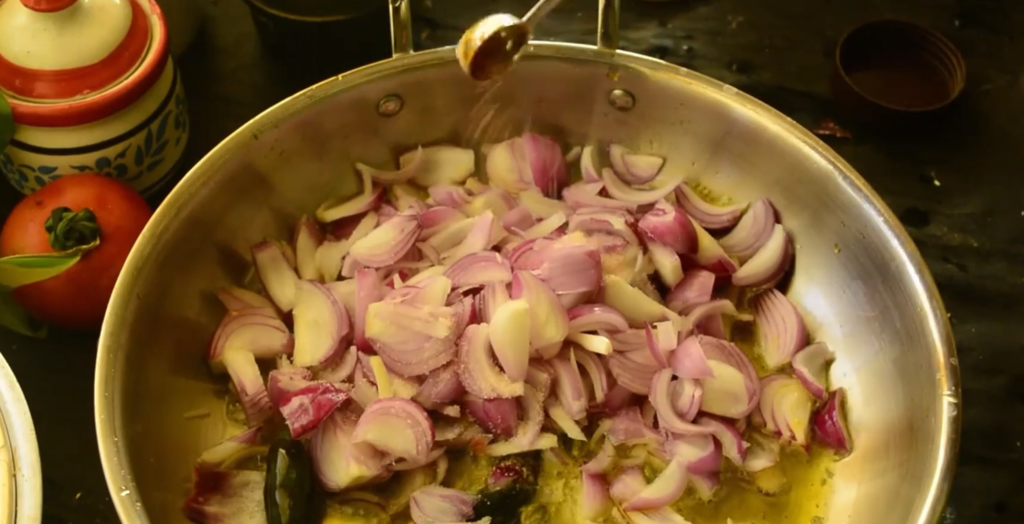
Heat 2 tablespoons of olive oil in a heavy-bottomed deep pan. Add the remaining cardamom pods and cinnamon stick. Let them sizzle for 30 seconds. Add chopped onions with a pinch of salt — the salt helps them soften faster. Cook until translucent, about 5 to 6 minutes. Add ginger garlic paste and stir for 2 minutes until fragrant.
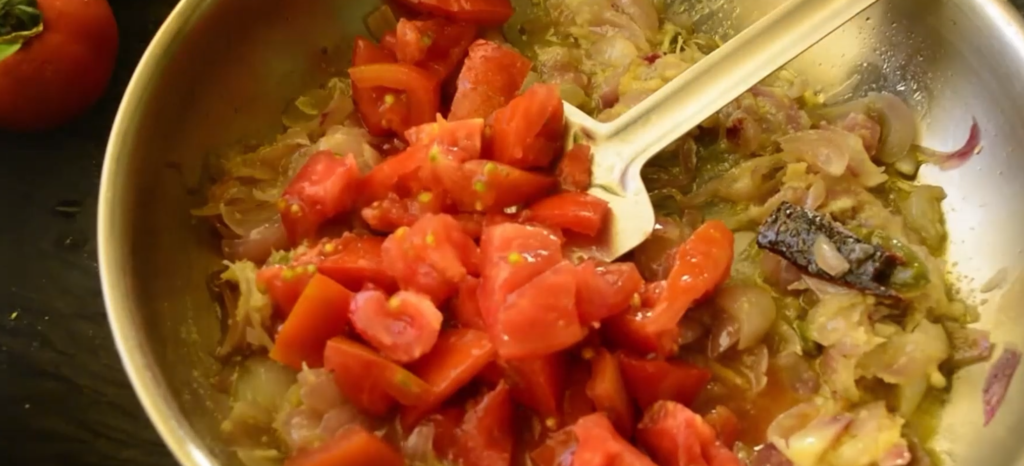
Add the tomatoes, remaining turmeric, and red chilli powder. Cover and cook until tomatoes soften completely and the masala starts pulling away from the sides of the pan — about 8 to 10 minutes.
Step 3 — How Long Do You Cook the Chicken in the Stew?
Add the marinated chicken to the masala base. Stir to coat well. Cover and cook on low flame for 10 to 12 minutes. The chicken will release its own juices — no water needed at this stage. Stir occasionally. You will see a rich oily masala forming around the chicken.
Step 4 — When Do You Add the Vegetables?
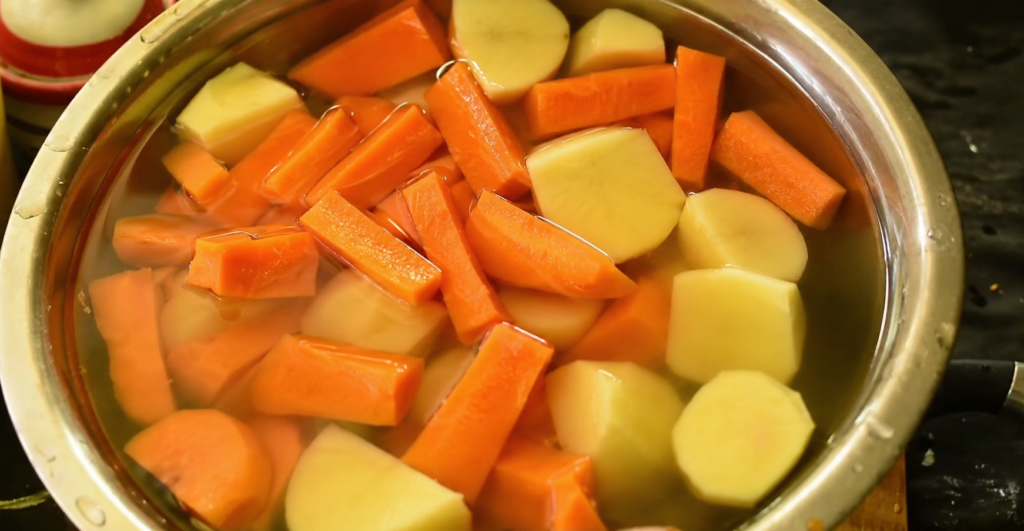
Add the chopped carrots, potatoes, and green beans. Pour in half to one cup of hot water to create the stew consistency. Stir everything together, cover, and cook on low heat for 20 to 25 minutes until both the chicken and vegetables are completely soft.
Check once or twice and add a splash more water if the stew is getting too thick.
Step 5 — How Do You Finish and Serve the Stew?
Taste and adjust salt. Garnish with fresh coriander. Serve warm with steamed brown rice, whole wheat roti, or millet. Or eat it as a standalone soup without any sides — the stew is complete enough on its own.

Healthy Chicken Stew (Light & Gut-Friendly)
Equipment
- 1 Mixer Grinder
- 1 Stainless Steel Wok with Lid
- 1 Spatula
Ingredients
- 1 KG Chicken without Skin
- 100 GM carrots
- 50 GM Green French Beans
- 100 GM Potato
- 100 GM Tomato
- 2 tbsp Ginger and Garlic Paste
- 2 tsp Turmeric
- 2 tsp Red chili Powder
- Salt As per test
- 2 tbsp Olive Oil
Instructions
- Heat olive oil in a pan. Add chopped onions and sauté until soft.
- Add ginger and garlic paste. Cook for 1 minute until fragrant.
- Add chicken pieces and sauté until lightly golden.
- Stir in turmeric and salt.
- Add chopped carrots, beans, and potatoes. Mix well.
- Pour in water or chicken broth. Cover and simmer for 20–25 minutes or until veggies are tender and chicken is cooked through.
- Garnish with fresh coriander and serve warm.
Video
Notes
- You can swap potato for sweet potato or skip entirely for a lighter version.
- Avoid heavy cream or masalas to keep it IBS-friendly.
- For extra gut health, add a spoonful of flaxseed at the end.
- Perfect for meal prep or recovery meals.
How Do You Make This Stew IBS-Safe on a Flare Day?
Replace the two onions with one pinch of hing (asafoetida) added directly to the hot oil at the start before any other ingredients. Hing gives a savoury depth similar to onion without the high FODMAP content.
Replace the ginger garlic paste with one teaspoon of freshly grated ginger only. Skip the garlic entirely or use a teaspoon of garlic-infused oil in place of the paste.
Reduce the red chilli powder to half a teaspoon or skip it entirely. Turmeric, cardamom, and cinnamon provide enough warmth without chilli.
These substitutions make the stew fully IBS-safe during a flare while keeping it warm, nourishing, and satisfying.
What Can You Serve With This Healthy Chicken Stew?
Brown rice is the classic pairing — it has more fibre than white rice but is still generally well tolerated for IBS in moderate portions.
White rice is the better option during a flare — lower fibre, easier to digest, low FODMAP.
Millet is good for IBS-C — higher fibre, lower GI than rice.
Whole wheat roti works on stable days. Skip it during a flare and have the stew as a soup instead.
The stew is hearty enough to eat completely on its own. On difficult IBS days I eat just the stew without any grain and that is enough.
How Can You Meal Prep This Stew for the Week?
This healthy chicken stew keeps for 4 days in the fridge in an airtight container. It also freezes well for up to 3 months — unlike most Indian stews the vegetable texture holds reasonably well after freezing because of the long cooking time.
Make a full pot on Sunday. Store in portions. Reheat each portion in a pan with a splash of water — do not microwave or the chicken will toughen.
This is one of my main meal prep staples. I make it alongside my best dals for IBS and rotate between the two through the week for a high-protein, gut-friendly dinner rotation. I also link to this recipe from my IBS-friendly Indian dinner guide for people looking for non-vegetarian options.
Try This Breakfast recipes – Blueberry Chia Pudding –No Sugar, IBS-Friendly Breakfast
Low FODMAP High Protein Dessert – Tiramisu Chia Pudding
Gluten Free High Protein Oats Chilla Breakfast – 2 Eggs
Frequently Asked Questions
Is chicken stew good for IBS?
Yes. A light chicken stew made with lean chicken, soft vegetables, and a broth-based cooking method is generally gentle on digestion. Slow-cooked vegetables require less digestive effort than raw ones, while warming spices like ginger, cardamom, and cinnamon add flavour without relying on heavy oil or rich gravies. For extra IBS friendliness, reduce or replace onion and garlic on sensitive days.
How do you make chicken stew without onion for IBS?
Replace the onion with a small pinch of hing (asafoetida) added to hot oil at the beginning of cooking. Use freshly grated ginger instead of ginger-garlic paste. Combined with whole spices such as cardamom and cinnamon, the stew remains rich and aromatic without relying on onion or garlic.
Can you eat potatoes with IBS?
Yes. Potatoes are considered one of the more IBS-friendly starchy vegetables and are generally well tolerated when cooked until soft. In this stew, they add body, make the meal more satisfying, and help create a comforting one-pot dish without needing an additional grain.
How long does chicken stew keep in the fridge?
Store the stew in an airtight container in the refrigerator for up to 4 days. The flavour often improves the following day as the spices continue to develop. For longer storage, freeze individual portions for up to 3 months and thaw overnight in the refrigerator before reheating gently on the stove.
What is the best spice for chicken stew with IBS?
Turmeric is often considered the key spice because of its anti-inflammatory properties. Ginger may help support digestion, while cardamom and cinnamon contribute warmth and flavour. Together, these spices create a comforting stew that is both flavourful and suitable for many people following an IBS-friendly diet.
🌿 Love gut-friendly recipes? Add Caloriematterss as your Google Preferred Source so my low-FODMAP, high-protein recipes show up more often for you. Set Caloriematterss as a preferred source →