Methi Water:-The Overnight-Soaked Morning Drink I Actually Keep Up
📝 Quick Guide of Methi Water
What it is: A teaspoon of fenugreek (methi) seeds soaked in a glass of water overnight, strained in the morning, and the water drunk first thing on an empty stomach. No boiling, no heating.
Why it works: As the seeds soak, their soluble fibre softens the sharp bitterness and leaches into the water. It’s a gentle, mild way to start the day — I find it settles my stomach before food.
Honest note: Methi is soothing for me, but it is not a cure, a detox or a fat-burner, and I won’t sell it as one. One real caution: fenugreek can loosen stools for some people, so start with a small amount. Check with your doctor if you’re pregnant or on diabetes or blood-thinning medication, since methi is mildly active.
Methi water is one of the few morning habits I have actually kept up, and I think that is because it asks almost nothing of me. A teaspoon of fenugreek seeds in a glass of water before bed. Strain it in the morning. Drink it. That is the entire thing, and the not-having-to-boil-anything at 7am is a large part of why it has stuck when fancier morning rituals have not.
Let me set expectations honestly before anything else, because methi water gets wildly oversold online. It is a mild, soothing drink that I find settles my stomach before I eat. It is not a detox, it does not melt fat, and it will not cure anything. If you have seen it sold as a weight-loss miracle or a blood-sugar fix, treat those claims with the suspicion they deserve. What it genuinely is, is a gentle, near-zero-effort way to start the day, and for me that is reason enough.
What is methi water?
Methi water is simply fenugreek (methi) seeds soaked in water. As they sit overnight, the hard little seeds soften and swell, and the soluble fibre in their outer coat — the part that turns slightly gel-like — starts to leach into the water. In the morning you strain the seeds out and drink the water.
There are two ways people take it. Some soak overnight in room-temperature water and drink it cold, seeds strained out. Others boil the seeds into a warm tea. I do the first — the cold, no-heat, overnight version — because it is easier and gentler, and boiling is not necessary to get the fibre into the water.
Fenugreek is bitter when raw, and that bitterness is the thing that puts people off. Soaking softens it noticeably. It is still not a treat — it tastes faintly bitter and earthy — but it is easy to drink, especially first thing before your palate has woken up.
How do you make methi water?
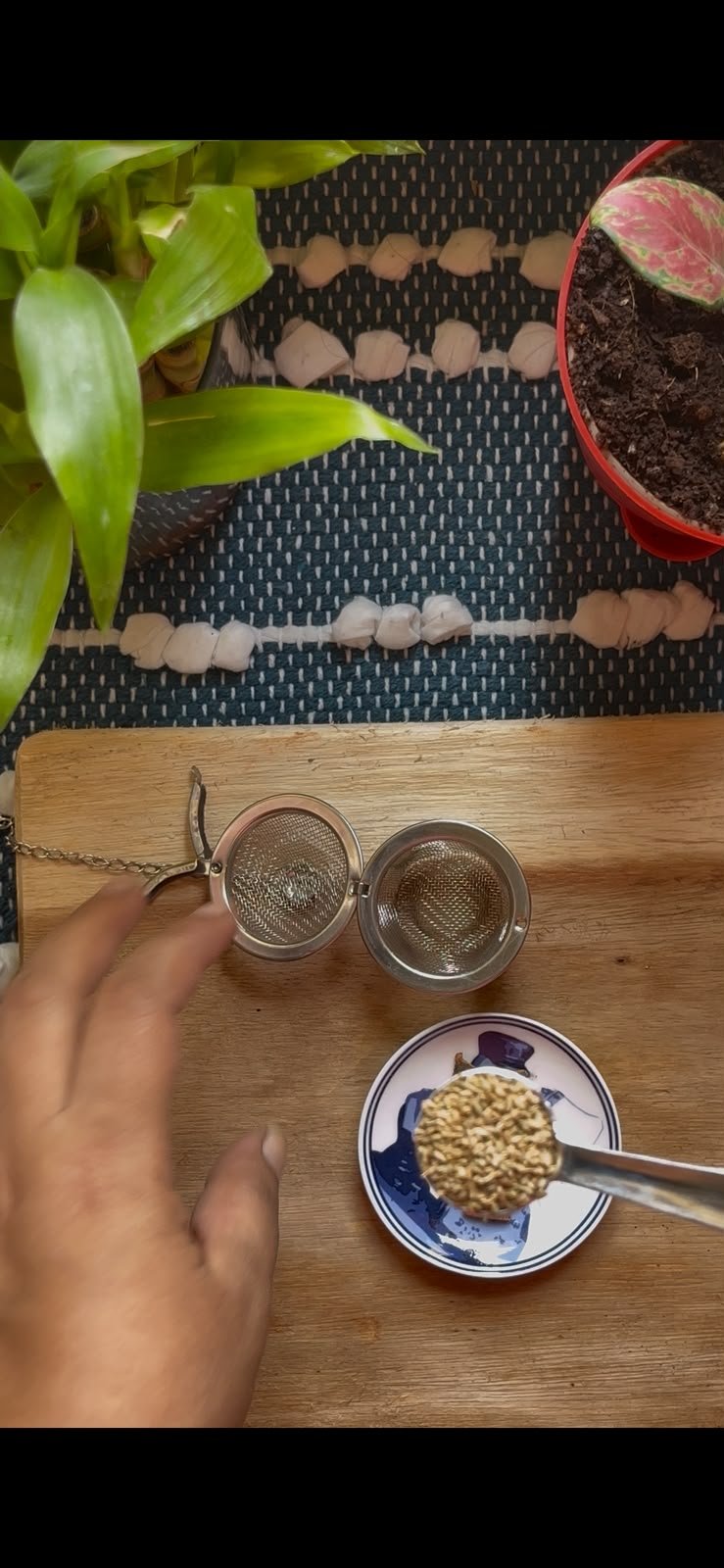
You need one teaspoon of methi seeds and a glass of water. That is the whole shopping list.
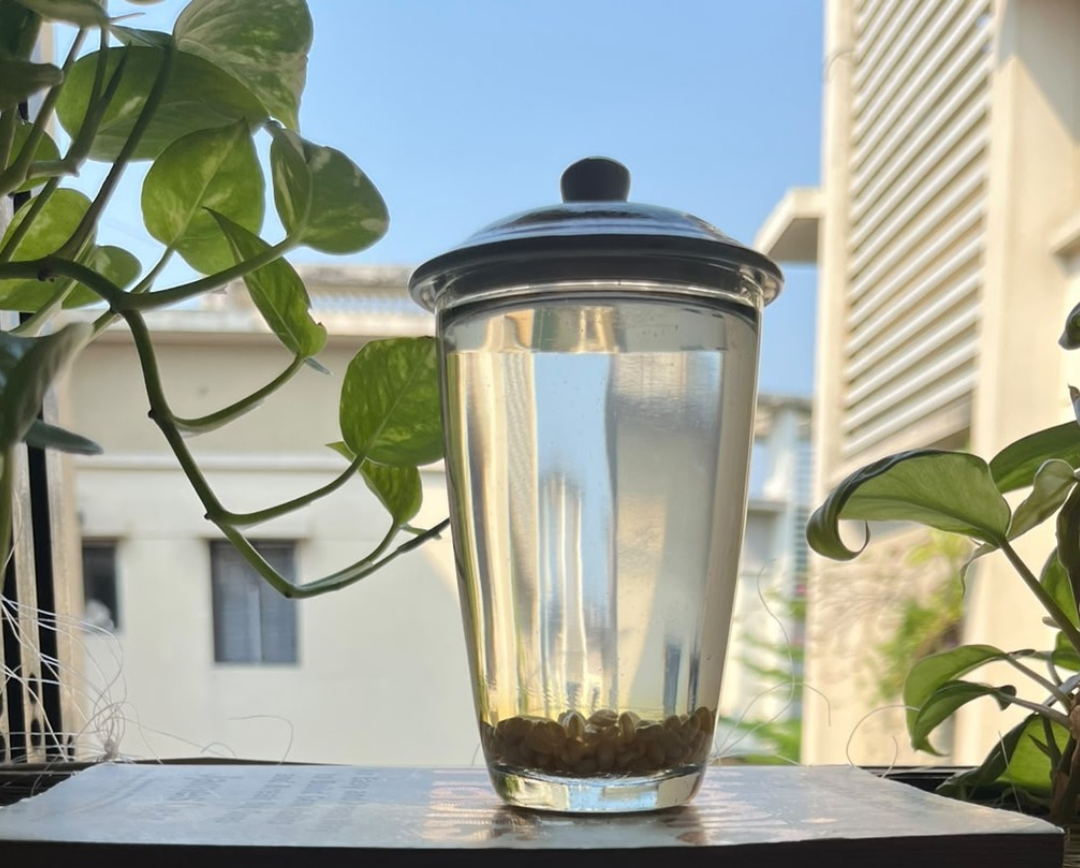
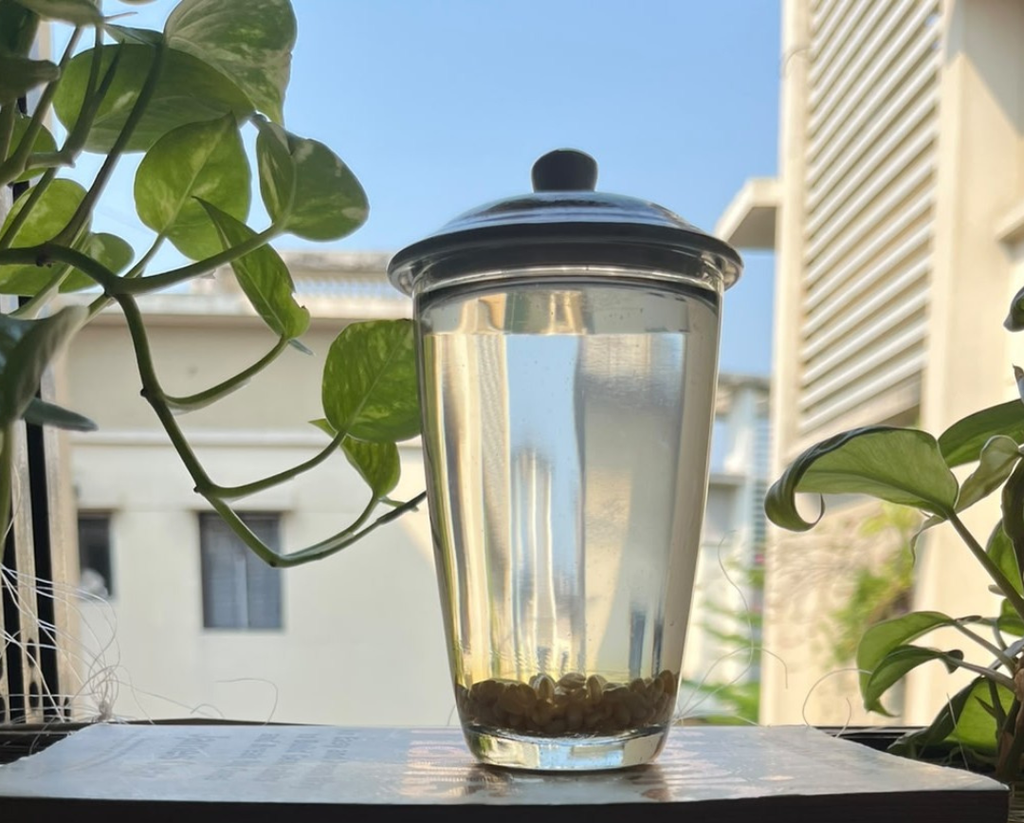
At night, put a teaspoon (about 4 g) of fenugreek seeds into a glass and pour over about a cup (240 ml) of water at room temperature. Cover it and leave it on the counter overnight, six to eight hours.
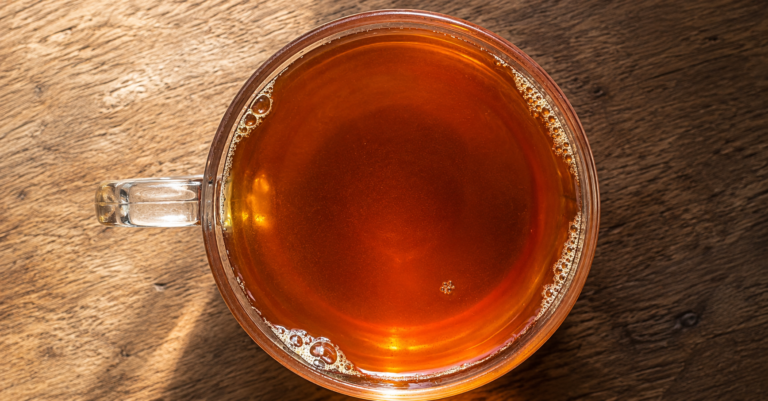
In the morning, the seeds will have swollen and the water will be faintly cloudy and a little slippery to the touch — that slipperiness is the soluble fibre, and it is exactly what you want. Strain the seeds out and drink the water first thing, before anything else, on an empty stomach.
No boiling, no heating, no lemon or honey needed. If the bitterness is too much at first, a tiny squeeze of lemon makes it easier, but I have got used to it plain.
Should you eat the soaked seeds too, or just drink the water?
Either works, and it depends on your gut.
Drinking just the water is the gentler option. You get the soluble fibre that leached out overnight without the full fibre load of the seeds themselves. This is what I usually do.
Eating the soaked seeds gives you more — more fibre, a little protein, more of everything methi has to offer. The soaked seeds are soft and far less bitter than raw ones, so they are perfectly edible. But that extra fibre hits harder, and if your gut is sensitive it can be a lot first thing in the morning. If you want to try it, start with a fraction of the seeds and see how you feel.
I mostly stick to the water. On days my digestion feels robust, I will eat the seeds too.
Why do I drink methi water in the morning?
Because it settles my stomach before food, and mornings are when my gut is at its most unsettled.
I want to keep this grounded rather than making big claims. Fenugreek’s soluble fibre is soothing, and drinking a glass of water first thing is itself a good habit that gets things moving gently after a night’s sleep. Between the two, methi water is a calm, hydrating way to begin the day, and I notice I feel a little less bloated through the morning when I have kept it up.
What I will not tell you is that it flushes toxins, resets your metabolism or shrinks your waist. Your liver and kidneys handle the actual clearing-out, not a glass of seed water. Methi water is a gentle daily nicety, not a treatment, and I would rather you have accurate expectations than be disappointed.
There is some research interest in fenugreek and blood sugar, and in fenugreek and cholesterol, but that is mostly at higher, supplemental doses and it is not settled science. A morning glass of soaked-seed water is a food habit, not a medicine, and if you are managing a health condition that is a conversation for your doctor.
Who should be careful with methi water?
This is the part most posts skip, and it genuinely matters, so here it is plainly.
Fenugreek can loosen stools. For some people it is mildly laxative, especially the seeds. If you have IBS with diarrhoea as your main pattern, be cautious and start with a very small amount, because this could make things worse rather than better. For sluggish, constipation-leaning digestion it may suit you better.
If you are pregnant, check with your doctor before making methi water a daily habit — fenugreek is traditionally approached with caution in pregnancy.
If you take medication for diabetes or blood thinning, be careful. Fenugreek may lower blood sugar and may interact with blood thinners, so it is worth clearing with your doctor rather than adding it blindly on top of medication.
And keep the amount sensible. A teaspoon of seeds in a glass of water is a food-level amount. This is not something to megadose in the hope of a bigger effect — more just means more bitterness and more chance of a loose stomach.
If none of that applies to you, a small daily glass is a harmless, gentle habit. If some of it does, talk to your doctor first.
How long can you keep methi water?
Make it fresh each night and drink it the next morning. It is a soak, not a batch you store.
If you have made too much, it will keep a few hours in the fridge, but it is not something to leave sitting for a day or two — the soaked seeds start to ferment and the water turns unpleasant. It takes ten seconds to set up before bed, so there is no real reason to make more than a glass.
If you want more gentle morning sips, here are my Indian spices for digestion and my summer drinks for IBS, both built on the same soothing ingredients.
Sources referenced (add as linked citations when publishing): general references on fenugreek’s soluble fibre and its traditional and studied uses, and clinical safety notes on fenugreek in pregnancy and with diabetes or blood-thinning medication. Link where mentioned.
- Indian spices for digestion → https://caloriematterss.com/indian-spices-for-digestion/
- Summer drinks for IBS → https://caloriematterss.com/summer-drinks-for-ibs/
- Fennel water for bloating → https://caloriematterss.com/fennel-water-for-bloating/
Frequently Asked Questions
What does methi water do?
Methi water is a gentle, soothing morning drink. As the seeds soak, their soluble fibre leaches into the water, and drinking it first thing settles my stomach before food. It’s a mild daily habit rather than a treatment. It won’t detox you, burn fat or cure anything.
Should I drink methi water on an empty stomach?
That’s how I have it, first thing in the morning before food. There’s nothing magic about the empty stomach, but it’s a simple, consistent time to fit the habit in, and a glass of water first thing is a good way to get your digestion moving after sleep.
Can I drink methi water every day?
For most people a small daily glass is fine and gentle. But fenugreek can loosen stools, so start with a little, especially if your IBS runs to diarrhoea. If you’re pregnant or take diabetes or blood-thinning medication, check with your doctor first, since methi is mildly active.
Should I eat the soaked seeds or just drink the water?
Both work. Drinking just the strained water is gentler and gives you the soluble fibre without the full seed. Eating the softened seeds adds more fibre and a little protein, but that extra fibre can be a lot first thing if your gut is sensitive, so start with a small amount if you want to try.
Does methi water help with weight loss?
No, not in the way it’s marketed. Methi water is a low-calorie, soothing drink, and staying hydrated and eating enough fibre are helpful habits generally. But a glass of soaked-seed water doesn’t burn fat or boost metabolism. Treat it as a gentle daily habit, not a weight-loss tool.
🌿 Love gut-friendly recipes? Add Caloriematterss as your Google Preferred Source so my low-FODMAP, high-protein recipes show up more often for you. Set Caloriematterss as a preferred source →