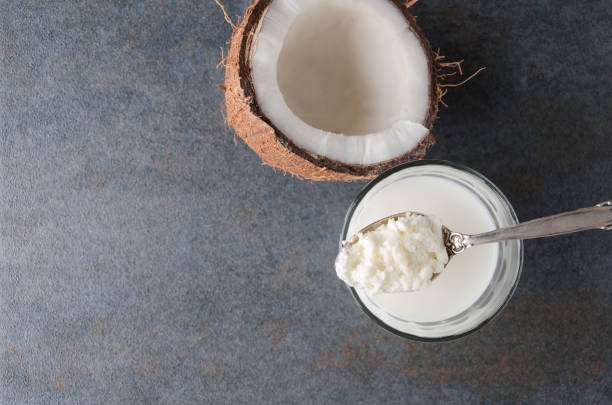
Probiotic Coconut Curd: The Dairy-Free Dahi I Make When Regular Curd Turns on Me
📝 Quick Guide
What it is: A dairy-free dahi made from two things — thick coconut milk and a vegan probiotic capsule — fermented at home into a soft, tangy curd.
Why it works: It’s lactose-free, so it skips the dairy that gives me acidity and loose motions. The live cultures do the same job as the ones in regular dahi.
Honest IBS/low-FODMAP note: Coconut milk is low-FODMAP only in modest amounts — around 1/4 cup (60 ml) per serve. A big bowl can push your FODMAP load up, so I keep portions small. This isn’t a free pass just because it’s dairy-free.
Per serving (~1/4 cup): ~110 kcal | Protein: ~1g
Probiotic coconut curd is what I make when I want dahi but regular dairy curd turns on me. Living with IBS, that happens more than I’d like — a bowl of normal curd, especially at night, can leave me acidic and running to the loo. But I didn’t want to give up the cooling, probiotic side of curd, which genuinely helps my gut. So I started fermenting my own from coconut milk, and it’s been on my shelf ever since.
It needs two ingredients: thick coconut milk and a vegan probiotic capsule. That’s it. No fancy starter, no yogurt maker. You warm the milk, stir in the capsule, and let it sit overnight.
Before the how-to, one honest thing, because it’s the mistake most coconut-curd posts make. Dairy-free does not automatically mean low-FODMAP. Coconut milk is fine for me in a small amount, roughly 1/4 cup (60 ml) per serving, but a big bowl stacks up and can cause the exact bloating I’m trying to avoid. So I treat this as a small cooling side, not a main event. Keep the portion modest and it sits gently.
Table of Contents
Why do I make coconut curd instead of buying vegan yogurt?
Two reasons, both practical. First, cost and control — a can of coconut milk and a probiotic capsule make far more than a small pot of shop-bought vegan yogurt, and I know exactly what’s in it. Store versions often carry gums, stabilisers and added sugar, and some don’t have live cultures at all by the time they reach you.
Second, taste and texture. Homemade sets soft and tangy, and I can flavour it how I like — a pinch of rock salt and jeera for a savory side, or plain for raita. I’m not against buying vegan yogurt in a pinch, but for something I eat most days, making it wins.
What do I need to make probiotic coconut curd?
Genuinely just two things, plus optional flavouring:
- Thick coconut milk (nariyal doodh), 1 cup (240 ml), full-fat, homemade or canned
- 1 vegan probiotic capsule (Lactobacillus-based), dairy-free, live and active
- Optional: a pinch of rock salt (sendha namak), and cumin (jeera) powder or curry leaves Powder to flavour
The one thing that matters is the probiotic. Check the capsule is dairy-free and actually contains live cultures — a dead capsule won’t ferment anything. Full-fat coconut milk is the other non-negotiable; thin milk won’t set properly.
How do I ferment it, step by step?
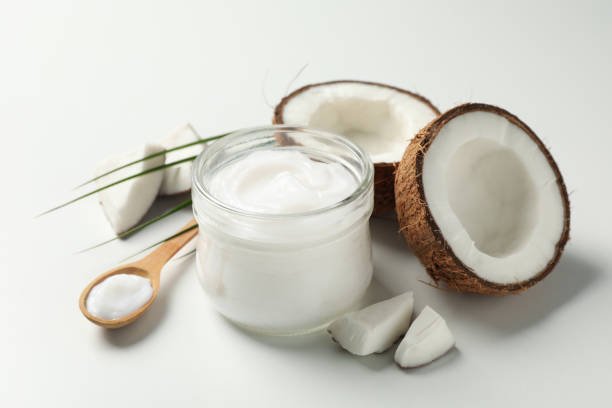
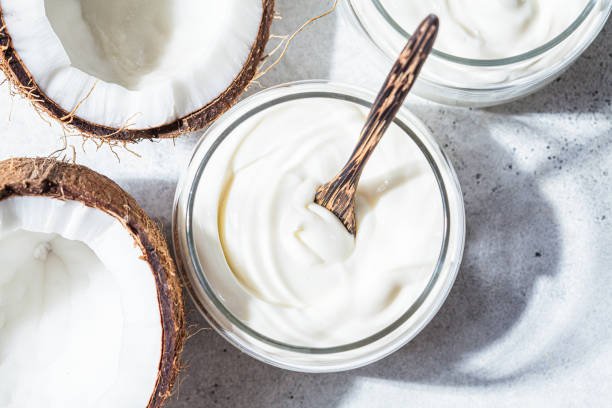
The method is in the recipe card below, so I won’t repeat every line here. The short version: warm the coconut milk to just lukewarm (not hot, or you’ll kill the cultures), stir in the capsule contents with a clean non-metal spoon, cover with muslin, and leave it somewhere warm for 8 to 16 hours depending on the weather. In a Kolkata summer mine sets closer to 8; in winter it takes longer.
Once it smells lightly tangy and has thickened, it goes straight in the fridge to stop it fermenting further. That’s the whole thing.
How do I use probiotic coconut curd in meals?
I use it more or less like regular dahi, just in smaller amounts. A little curd rice made with cooled rice and curry leaves. A cooling spoon on the side of khichdi or moong dal. A simple cucumber raita in summer. It also makes a nice coconut curd chutney with mint and jeera.
Because I keep the portion small for FODMAP reasons, I treat it as the cooling accent on a plate rather than a big bowl on its own. That’s plenty to get the tang and the probiotic benefit without the payback.
How long does it keep?
In a clean glass container in the fridge, mine stays good for three to four days. Always use a clean, dry spoon each time — any moisture or contamination and it turns quickly. If it smells sharp or off rather than pleasantly tangy, I bin it. This is fresh, preservative-free food, so it doesn’t have the shelf life of a shop pot, and that’s the trade-off I’m happy with.
What are my tips for getting it to set every time?
The handful of things that actually make the difference for me:
- Use full-fat coconut milk. Thin or light milk won’t ferment well.
- Warm the milk to lukewarm only. Hot milk kills the cultures.
- Skip metal utensils during fermentation. A non-metal spoon and a glass or clay bowl.
- Let it fully set before refrigerating. Chilling too early stops the ferment halfway.
- Use a good-quality, live, dairy-free probiotic. This is the part people cut corners on.
An honest word on the health side
I want to be careful here, because this is where a lot of coconut-curd posts overreach. What this curd does, honestly, is give me a lactose-free, probiotic-rich food that my gut tolerates far better than dairy dahi. What it does not do is cure IBS, fix hormones, or heal anything on its own. Probiotics can support digestion for some people, and skipping lactose helps if dairy is a trigger for you — but it’s one gentle food in a bigger picture, not a treatment. If your symptoms are severe, that’s a doctor’s call, not a curd’s.
If you want more like this, here are my gut-friendly kitchen essentials and my onion-free high-protein dal, both of which this curd goes beautifully alongside.
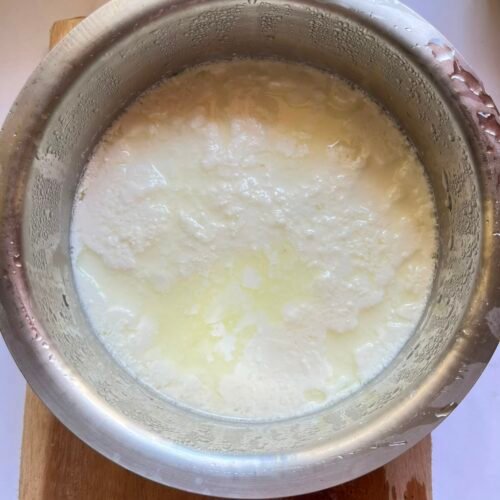
Probiotic coconut curd

Equipment
- 1 Pot
- 1 Container
- 1 Spatula
Ingredients
- 1 cup 240 ml thick full-fat coconut milk (nariyal doodh)
- 1 vegan probiotic capsule Lactobacillus-based, dairy-free
- 1 pinch rock salt sendha namak, optional
- Cumin powder jeera or fresh curry leaves, to flavour, optional
Instructions
- Warm the coconut milk gently until just lukewarm — never hot. Too much heat kills the live cultures.
- Open the probiotic capsule and stir the contents into the warm milk with a clean, non-metal spoon.
- Pour into a clean glass bowl or clay pot. Cover with a muslin cloth.
- Keep somewhere warm (inside an oven with the light on, or a closed cabinet) and let it ferment 8–16 hours, depending on the weather.
- When it smells lightly tangy and has thickened to a soft, curd-like set, refrigerate immediately to stop further fermentation.
- Stir in a pinch of rock salt and jeera before serving, if using. Keep portions to about 1/4 cup (60 ml).
Notes
No Sugar No Cream Ice Cream – Made with homemade hung curd . How Many Calories Should I Eat Per Day . Indian Spices for Digestion
Frequently Asked Questions
What is probiotic coconut curd?
It is a dairy-free dahi made by fermenting thick coconut milk with a live vegan probiotic culture. It sets soft and tangy like regular curd, but without any lactose, which makes it easier on a sensitive gut.
How do I make probiotic coconut curd at home?
Warm 1 cup of full-fat coconut milk to just lukewarm, stir in the contents of a dairy-free probiotic capsule with a non-metal spoon, cover, and leave somewhere warm for 8 to 16 hours until it sets. Then refrigerate straight away.
Is coconut curd low-FODMAP and IBS-friendly?
It is dairy-free, which helps if lactose is a trigger for you, but coconut milk is only low-FODMAP in small amounts, around a quarter cup per serving. A large bowl can add up, so keep portions modest rather than treating it as unlimited.
Why won’t my coconut curd set?
The usual reasons are thin or light coconut milk instead of full-fat, milk that was too hot and killed the cultures, or a probiotic capsule without live bacteria. Use full-fat milk, keep it only lukewarm, and check your probiotic is live and dairy-free.
How long does homemade coconut curd last?
About three to four days in a clean glass container in the fridge. Always use a dry, clean spoon, and throw it out if it smells sharp or off rather than pleasantly tangy.
🌿 Love gut-friendly recipes? Add Caloriematterss as your Google Preferred Source so my low-FODMAP, high-protein recipes show up more often for you. Set Caloriematterss as a preferred source →