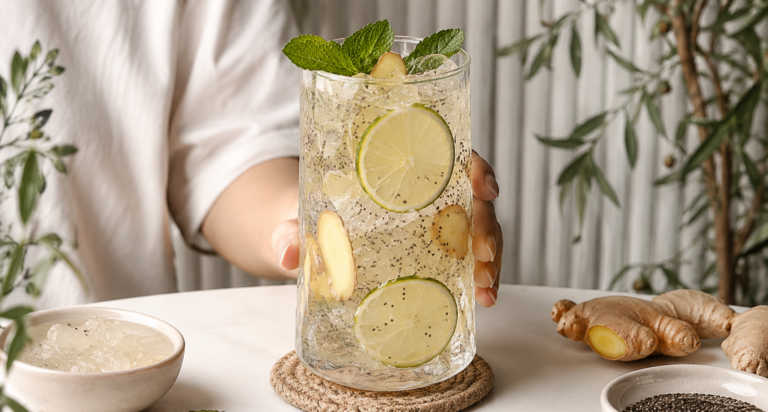
10 Digestive Teas for IBS — Which Herbal Teas Actually Calm Your Gut?
Quick Guide
What this is: A guide to 10 digestive teas for IBS ranked by gut benefit — all made from kitchen herbs, no synthetic laxatives
Best for IBS bloating: Fennel tea — relaxes gut muscle, reduces gas, low FODMAP
Best for IBS cramping: Peppermint tea — most researched tea for IBS spasms
Best for IBS-C: Ginger tea — improves gut motility and reduces constipation
IBS-friendly: Yes — all 10 are caffeine-free or low-caffeine and gut-safe in normal portions
Why I Started Using Digestive Teas for IBS Instead of Medication !
About three months after my IBS diagnosis in 2023 I had a conversation with my dietitian that changed how I thought about symptom management. I had been relying on over-the-counter antispasmodics on bad days — they worked but I did not want to depend on them permanently.
She asked me what I was drinking throughout the day. Plain water, I said. Occasionally chai with full-fat milk. She pointed out that what you drink is as important as what you eat for IBS — and that I had an entire pharmacy of digestive support sitting in my kitchen in the form of common spices and herbs.
That started my experiment with digestive teas for IBS. Not commercial detox teas or packaged blends with mystery ingredients — just simple infusions made from fennel, ginger, ajwain, mint, and cumin. Within two weeks the frequency of my bloating episodes had reduced noticeably. Within a month I was using the antispasmodics far less.
This post is the complete list I now use — 10 teas, what each one does, how to make it, and which IBS symptoms each one is best for.
Table of Contents
How Do Digestive Teas Help With IBS?
Do Herbal Teas Actually Work for IBS Symptoms?
Yes — for specific symptoms, consistently. Digestive teas for IBS work through several mechanisms: relaxing the smooth muscle of the gut which reduces spasms and cramping, reducing fermentation in the gut which reduces gas and bloating, reducing gut inflammation which calms the hypersensitivity that makes IBS unpredictable, and supporting bile production which improves fat digestion.
The key distinction is that these teas manage symptoms rather than cure IBS. Used consistently as part of a daily routine they reduce the frequency and severity of flares. They are not a replacement for dietary management but they are a meaningful addition to it.
Are Herbal Teas Safe for IBS?
Yes — the teas on this list are made from common kitchen herbs that are low FODMAP and have documented gut benefits. The important distinction is avoiding commercial detox teas which often contain senna, synthetic laxatives, or concentrated herbal extracts that can trigger IBS flares. Kitchen-made herbal teas are genuinely different from packaged products marketed with similar language.
How Many Cups of Herbal Tea Should You Drink Per Day for IBS?
Two to three cups spread across the day is the right amount. One in the morning, one after lunch, and optionally one in the evening. You do not need to drink all 10 teas daily — rotate them based on your symptoms and the time of day. The timing guide at the end of this post shows which tea works best when.
10 Digestive Teas for IBS — What Does Each One Do?
1. Fennel Tea — Is This the Best Tea for IBS Bloating?
Yes — fennel is the first tea I recommend for IBS bloating specifically. Fennel seeds contain anethole which relaxes the smooth muscle of the gut and directly reduces gas buildup. It is one of the most studied herbs for IBS and one of the safest — completely low FODMAP in normal amounts.
How to make: Boil 1 teaspoon fennel seeds in 1 cup water for 5 minutes. Strain and sip warm after meals.
Best for: Bloating, gas, post-meal discomfort, IBS-D and IBS-C both.

2. Peppermint Tea — Why Is Peppermint the Most Researched Tea for IBS?
Peppermint contains menthol which relaxes the smooth muscle of the gut and directly reduces intestinal spasms. It is the most clinically researched herbal remedy for IBS — peppermint oil capsules have consistent evidence for reducing cramping and urgency in IBS and the tea provides a gentler version of the same mechanism.
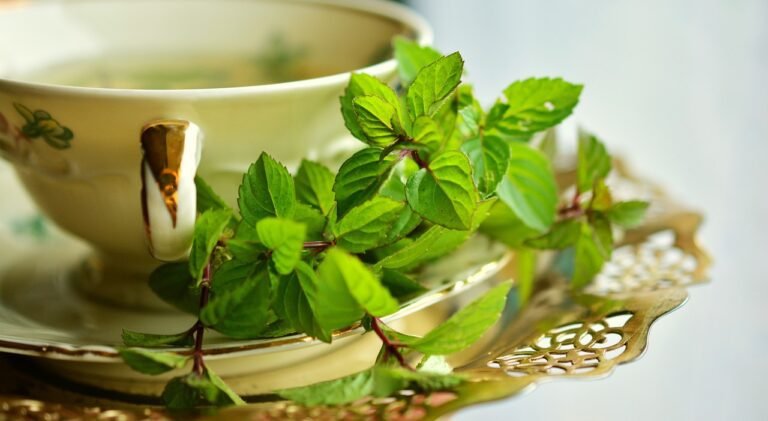
How to make: Steep 5 to 6 fresh mint leaves in hot water for 5 to 7 minutes. Drink 30 minutes after eating.
Best for: IBS cramping, urgency, spasms, general IBS-D symptoms.
IBS note: Avoid if you have severe acid reflux — peppermint relaxes the lower oesophageal sphincter which can worsen reflux symptoms.
3. Ajwain Tea — How Does Carom Seed Tea Help With IBS?
Ajwain (carom seeds) is one of the most effective carminative spices in Indian cooking. It directly reduces gas formation in the gut, improves digestion of proteins and fats, and has antispasmodic properties that reduce cramping. For IBS specifically it works on both the gas and spasm components simultaneously.
How to make: Boil half teaspoon ajwain in 1 cup water for 5 minutes. Add a pinch of rock salt if you like. Strain and drink.
Best for: Gas, bloating, IBS cramping, heavy meal recovery.
4. Ginger Tea — Is Ginger Tea Good for IBS-C?
Yes — ginger is particularly good for IBS-C because it stimulates gut motility. It also reduces gut inflammation which is the underlying cause of much of IBS pain and sensitivity. Ginger has one of the strongest evidence bases of any culinary herb for digestive benefit.
How to make: Grate 1 inch of fresh ginger into 1 cup boiling water. Steep 5 minutes. Add a squeeze of lemon and a small amount of honey if needed. Strain and drink.
Best for: IBS-C, nausea, gut inflammation, post-meal discomfort.
5. Chamomile Tea — Does Chamomile Help With IBS Anxiety and Gut Spasms?
Yes — chamomile is both anti-inflammatory and antispasmodic. It is particularly useful for the anxiety-IBS connection because it has mild sedative properties that calm the nervous system, which directly affects gut function through the gut-brain axis. If your IBS symptoms worsen with stress chamomile is one of the most relevant teas.
How to make: Steep 1 chamomile tea bag or 1 tablespoon dried chamomile flowers in hot water for 5 minutes. Drink in the evening or during a stressful period.
Best for: Stress-related IBS flares, anxiety-driven gut symptoms, IBS cramping.

6. Licorice Root Tea — How Does Licorice Help With IBS?
Licorice root (mulethi) soothes the gut lining and has anti-inflammatory properties that help with the hypersensitivity that characterises IBS. It is particularly good for IBS associated with acid reflux or a burning sensation in the gut.
How to make: Boil a small piece of dried licorice root (mulethi stick) in 1 cup water for 5 to 7 minutes. Strain and drink warm.
Best for: Gut lining soothing, IBS with reflux, gut inflammation.
IBS note: Do not use daily for more than 2 weeks continuously — licorice root can affect blood pressure in high doses. Use 3 to 4 times per week.
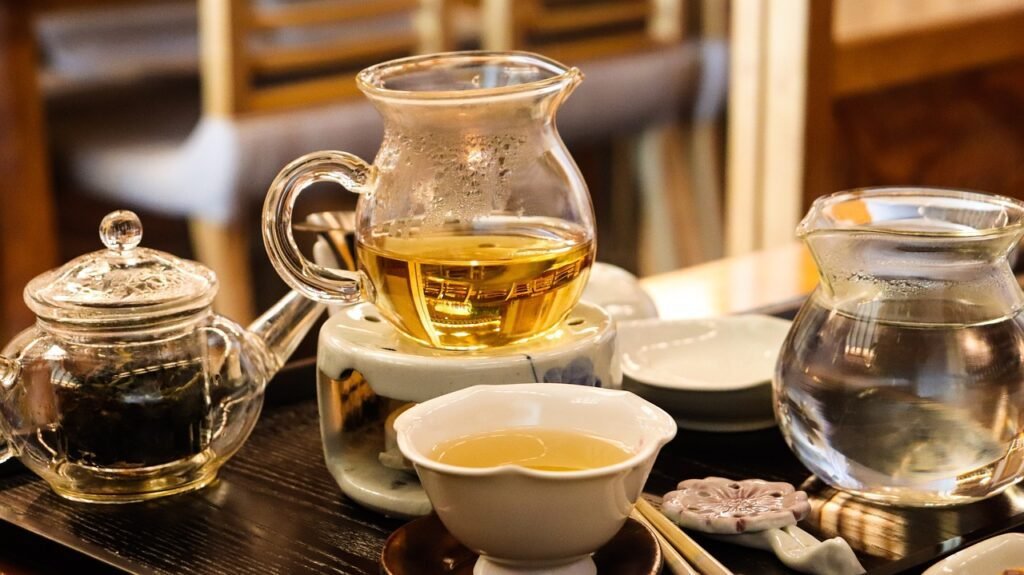
7. Jeera (Cumin) Tea — Is Cumin Tea Good for Digestion and IBS?
Yes. Jeera stimulates bile production which improves fat digestion and reduces the heaviness after meals that many IBS sufferers experience. It also reduces gas and has mild antimicrobial properties that support a balanced gut microbiome.
How to make: Boil 1 teaspoon cumin seeds in 2 cups water for 5 minutes. Strain and drink warm, ideally after lunch.
Best for: Post-meal bloating, fat digestion, general IBS management.
8. Coriander Seed Tea — Does Coriander Tea Help With IBS?
Yes. Coriander seeds reduce bloating and water retention and support liver function which affects overall digestive efficiency. They also have mild antispasmodic properties that help with IBS cramping.
How to make: Crush 1 teaspoon coriander seeds lightly. Boil in 1 cup water for 5 minutes. Strain and drink.
Best for: Bloating, water retention, IBS with liver sluggishness.
9. Tulsi (Holy Basil) Tea — How Does Tulsi Help With IBS?
Tulsi is an adaptogen — it directly reduces cortisol, the stress hormone that drives IBS flares through the gut-brain axis. It also has anti-inflammatory properties that reduce gut inflammation. For stress-related IBS tulsi is one of the most important herbs.
How to make: Steep 8 to 10 fresh tulsi leaves in hot water for 5 minutes. Or use half a teaspoon of dried tulsi. Drink in the morning or during a stressful period.
Best for: Stress-triggered IBS, cortisol-related gut sensitivity, general gut inflammation.
10. Ajwain Hing Tea — Is Hing Tea the Best IBS Emergency Tea?
Yes — this is the one I make immediately when I feel a flare starting. Hing (asafetida) directly blocks the gas-producing fermentation that causes IBS symptoms. Combined with ajwain it is the most targeted immediate-relief combination in this list.
How to make: Boil half teaspoon ajwain in 1 cup water for 5 minutes. Add a tiny pinch of hing (less than a quarter teaspoon) to the hot tea. Add rock salt. Stir and drink immediately.
Best for: Active IBS flares, sudden bloating, immediate gas and cramp relief.
When Should You Drink Each Digestive Tea for IBS?
| Tea | Best Time | Best For |
|---|---|---|
| Fennel | After meals | Bloating, gas |
| Peppermint | 30 min after eating | Cramping, spasms |
| Ajwain | Morning or after heavy meals | Gas, bloating |
| Ginger | Morning or after meals | IBS-C, nausea, inflammation |
| Chamomile | Evening or during stress | Stress-IBS, anxiety |
| Licorice root | Afternoon | Gut lining, reflux |
| Jeera | After lunch | Fat digestion, bloating |
| Coriander | Afternoon | Water retention, bloating |
| Tulsi | Morning or stressful periods | Cortisol, stress-IBS |
| Ajwain hing | During a flare, immediately | Emergency gas and cramp relief |
What Are the Mistakes to Avoid With Digestive Teas for IBS ?
Boiling peppermint — heat degrades menthol. Always steep, never boil.
Using packaged detox teas labelled for IBS — most contain senna which is a stimulant laxative and can trigger severe IBS-D episodes.
Drinking tea immediately before bed — some teas like ginger can be stimulating and affect sleep in sensitive people. Evening teas should be chamomile or fennel.
Adding milk to herbal teas — milk adds lactose and fat which partially cancels the digestive benefit of the herbs.
Drinking more than 3 cups per day thinking more is better — therapeutic herbs work in correct doses.

You can also try these teas Anti Inflammatory Drink Blue Pea Tea For Weight Loss –Ginger, Cinnamon & Lemon Indian Drinks To Burn Belly Fat While Sleeping Low-FODMAP Black Sesame Spread
Frequently Asked Questions
Which tea is best for IBS symptoms?
The best tea depends on your symptoms. Fennel tea is an excellent all-round choice for reducing gas and supporting digestion, peppermint tea is well known for easing cramps, ginger tea may help support gut motility, and chamomile or tulsi can be helpful when stress worsens IBS symptoms. Rotating teas based on how you feel often works best.
How often should you drink herbal tea for IBS?
Two to three cups per day is usually enough. Many people enjoy ginger or ajwain tea in the morning, fennel or jeera tea after lunch, and chamomile or fennel in the evening. You don’t need every herbal tea every day—choose the ones that best match your current symptoms.
Is peppermint tea safe for IBS?
For most people with IBS, yes. Peppermint tea is widely used to help reduce cramping and digestive discomfort. However, if you also have frequent acid reflux or GERD, it may worsen symptoms by relaxing the lower oesophageal sphincter. In that case, fennel tea is often a gentler alternative.
Can you drink herbal tea during an IBS flare?
Yes. Gentle herbal teas can be especially soothing during an IBS flare. Ajwain tea may help with gas, chamomile can be calming during stress-related symptoms, and fennel tea is generally well tolerated. If diarrhoea is your main symptom, use larger amounts of ginger with caution, as it may stimulate bowel movements.
Are commercial IBS teas or detox teas safe?
Many commercial detox teas are not ideal for people with IBS because they often contain stimulant laxatives such as senna or highly concentrated herbal extracts that may trigger cramping or diarrhoea. Homemade herbal teas made from whole spices and herbs allow you to control both the ingredients and their strength.
🌿 Love gut-friendly recipes? Add Caloriematterss as your Google Preferred Source so my low-FODMAP, high-protein recipes show up more often for you. Set Caloriematterss as a preferred source →